Why high-load bearings fail in mechanical engineering
Author
Date Published
Reading Time
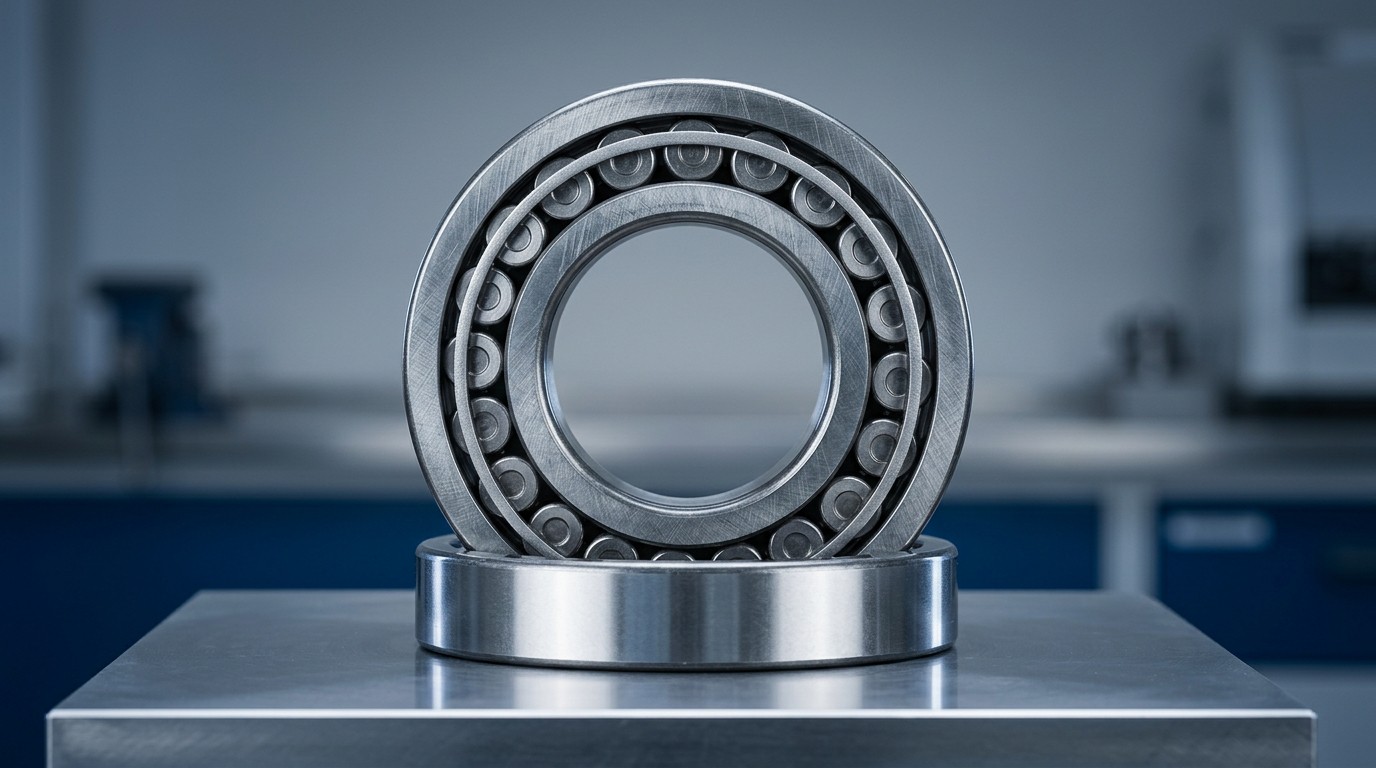
In the demanding field of mechanical engineering, the failure of high-load bearings is a critical concern that directly impacts operational Security & Safety. For professionals in facility management and metallurgical engineering, understanding these failure mechanisms is essential for maintaining rigorous industrial standards and ensuring long-term reliability. Whether managing complex Electrical & Power systems or overseeing large-scale infrastructure, technical evaluators must identify root causes like lubrication breakdown and material fatigue to prevent catastrophic downtime. This guide provides the mission-critical intelligence required for project managers and decision-makers to mitigate risks, optimize performance, and uphold the structural integrity of foundational industrial components in today's high-stakes engineering landscape.
The Anatomy of Mechanical Stress: Primary Failure Modes in High-Load Bearings
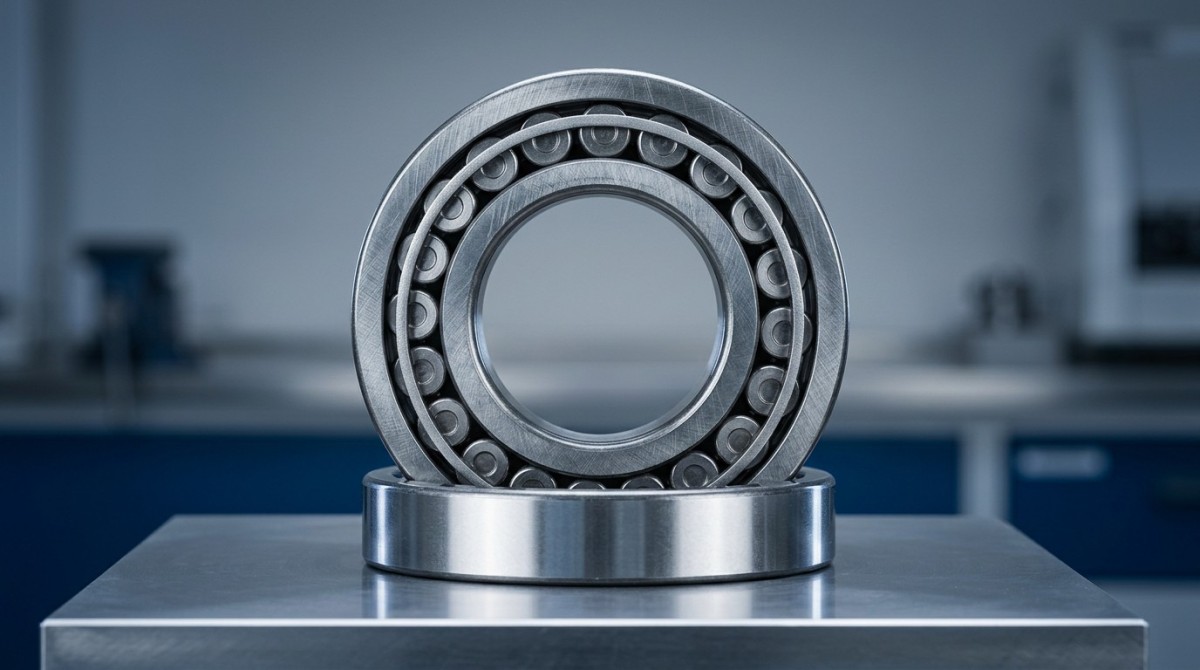
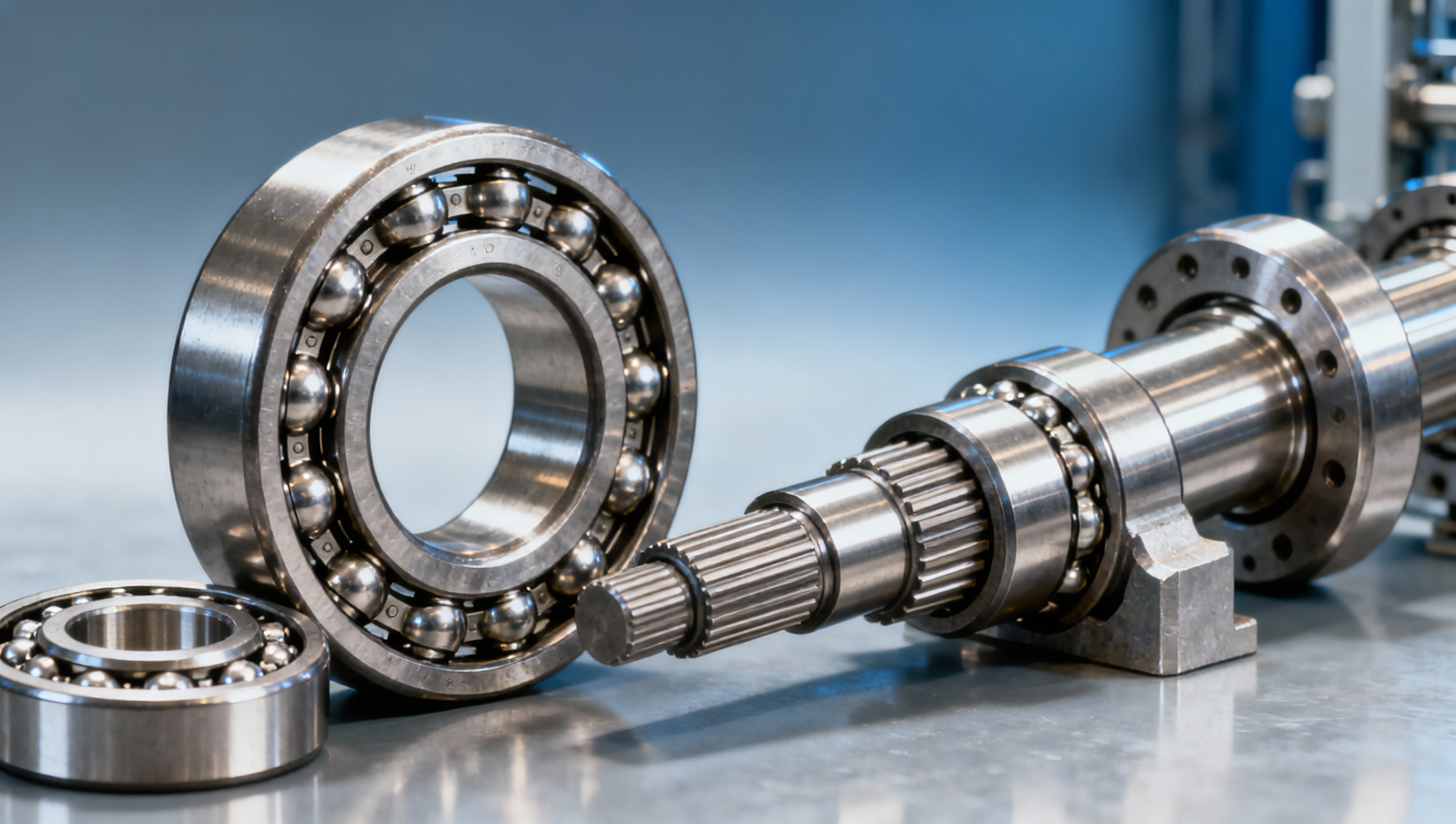
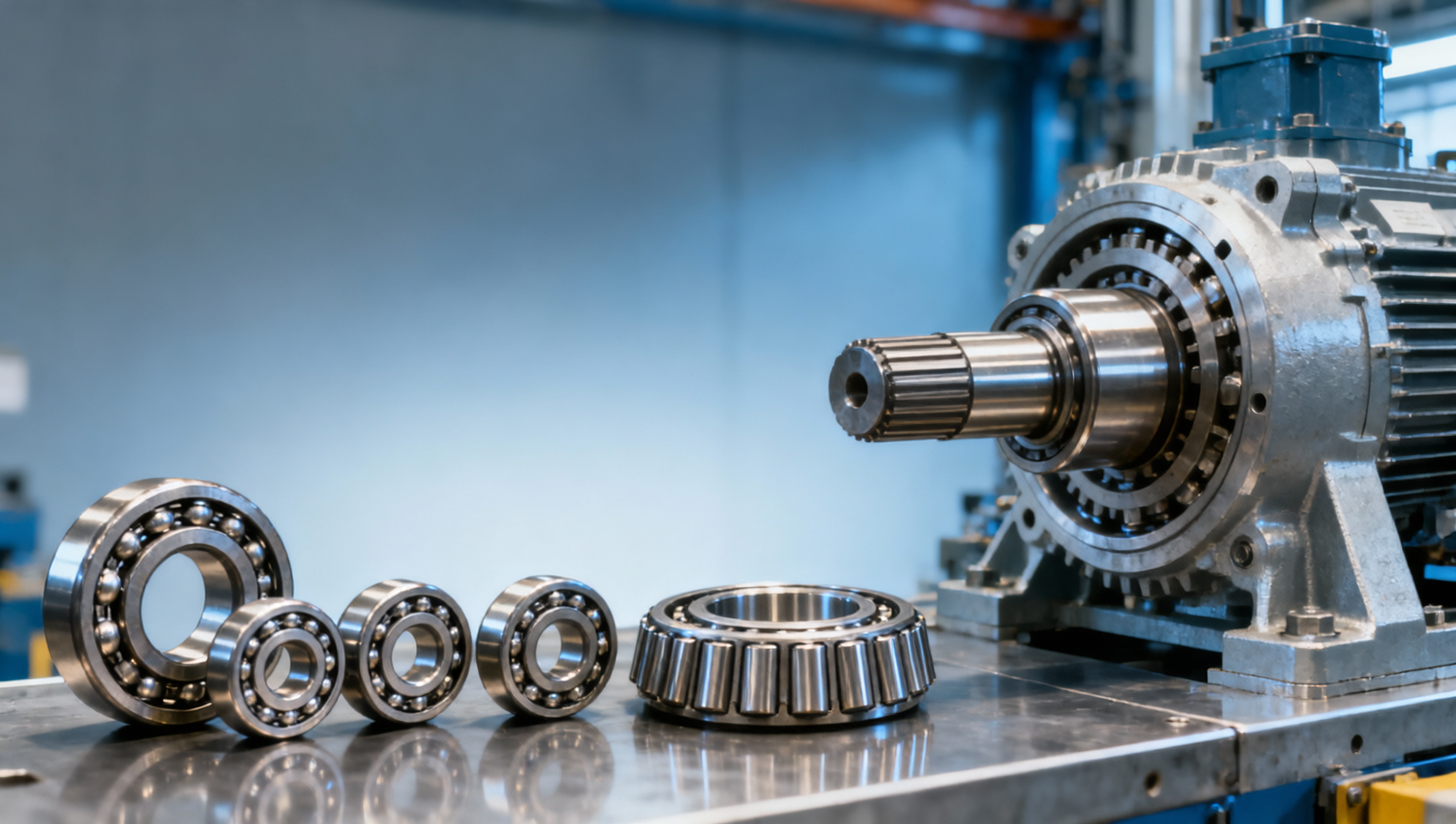
High-load bearings are the silent workhorses of the industrial world, designed to withstand immense radial and axial forces while maintaining precision rotation. However, even the most robustly engineered components are subject to the laws of physics and material science. In heavy industry, approximately 70% to 80% of bearing failures are attributed to external factors rather than the bearing reaching its natural fatigue limit. For engineers and facility managers, identifying whether a failure is caused by subsurface-initiated fatigue or surface-initiated fatigue is the first step in root cause analysis.
Subsurface-initiated fatigue, often referred to as classic "spalling," occurs when the repeated cyclic loading of the rolling elements creates microscopic cracks beneath the raceway surface. Over time, these cracks propagate to the surface, causing material to flake away. This process is often measured by the L10 life rating, which predicts the life that 90% of a group of identical bearings will achieve or exceed. When a bearing fails significantly before its L10 benchmark, it suggests that the load distribution was uneven or that the material purity did not meet the required metallurgical standards for high-stress applications.
Surface-initiated fatigue, conversely, is usually a result of poor operating conditions, such as inadequate lubrication or the presence of contaminants. When the lubricant film is breached, metal-to-metal contact occurs, leading to localized heating and microscopic welding of the asperities. This creates a roughened surface that accelerates wear and leads to premature failure. In the context of metallurgical engineering, this failure mode highlights the critical importance of surface finish and the hardness of the bearing steel, typically requiring a Rockwell C hardness (HRC) of 58 to 64 for optimal performance.
Beyond fatigue, "false brinelling" and "true brinelling" represent common mechanical failures that technical evaluators must distinguish. True brinelling is caused by excessive static loads or heavy impacts that exceed the material's elastic limit, leaving permanent indentations on the raceways. False brinelling, however, occurs when the bearing is stationary but subject to external vibrations. These vibrations cause the rolling elements to squeeze out the lubricant, leading to abrasive wear that mimics the appearance of brinell marks. Understanding these nuances is vital for professionals managing logistics or power grid infrastructure where machinery may sit idle but exposed to ambient vibration.
The following table outlines the most frequent mechanical failure modes encountered in high-load industrial environments, providing a quick reference for quality control and maintenance teams to identify root causes during technical inspections.
This comparative analysis demonstrates that mechanical failure is rarely a singular event but rather the culmination of environmental stressors and operational oversights. By categorizing these failures, procurement directors and engineering leads can implement more targeted preventative measures, ensuring that high-value assets remain operational within the specified safety margins of modern industrial infrastructure.
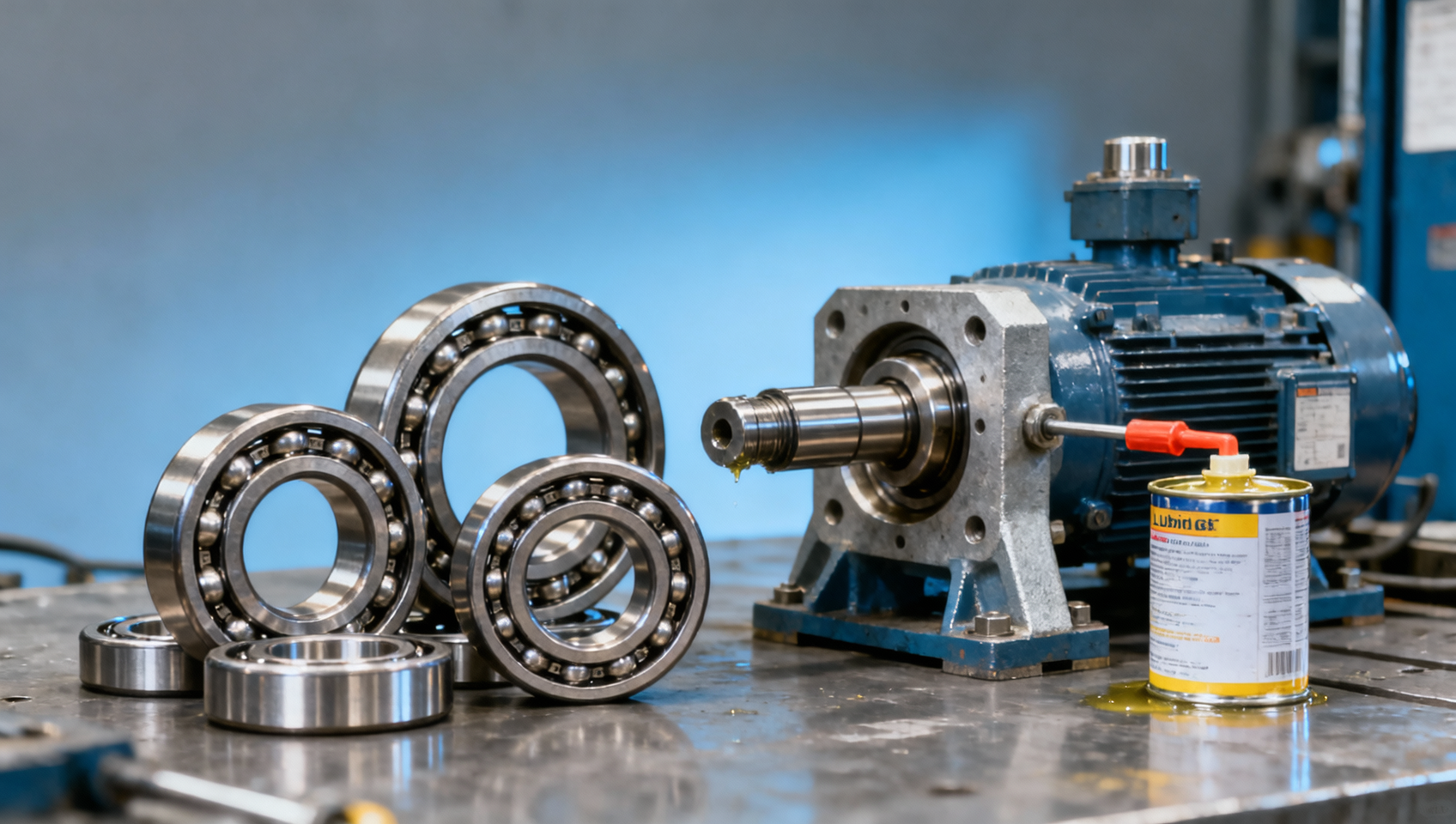
Lubrication Breakdown: The Invisible Catalyst for Catastrophic Failure
Lubrication is the lifeblood of any mechanical system, and its failure is responsible for approximately 36% of all premature bearing failures. In high-load applications, the lubricant must maintain a consistent "elastohydrodynamic" film that separates the rolling elements from the raceways. When this film breaks down, the friction coefficient increases dramatically, leading to a rapid rise in temperature. For every 10°C (18°F) increase in operating temperature above the lubricant's baseline, the oxidation rate doubles, effectively halving the useful life of the oil or grease.
The selection of lubricant is not merely a maintenance choice but a critical engineering decision. Technical evaluators must consider the Viscosity Index (VI) and the specific additive packages required for extreme pressure (EP) environments. In sectors like metallurgy or heavy power generation, bearings often operate at temperatures exceeding 120°C (248°F). In such cases, standard mineral oils may undergo thermal degradation, necessitating the use of synthetic Polyalphaolefin (PAO) or Ester-based lubricants that offer superior shear stability and lower volatility.
Contamination is the primary enemy of effective lubrication. Even microscopic particles, invisible to the naked eye, can cause devastating damage. Particles larger than the lubricant film thickness—typically between 0.1 and 1.0 microns—act as abrasive agents, carving tracks into the polished surfaces of the bearing. To mitigate this, global safety standards like ISO 4406 define cleanliness levels for lubricants. For critical high-load applications, maintaining a cleanliness code of 18/16/13 is often recommended to prevent "indentation-induced" fatigue and prolong the operational window of the equipment.
Furthermore, water contamination poses a severe threat to bearing integrity. As little as 100 parts per million (ppm) of water in the oil can reduce the fatigue life of a rolling-element bearing by up to 50%. Water leads to hydrogen embrittlement, where hydrogen atoms migrate into the steel matrix, making it brittle and prone to cracking. For environmental and safety managers, ensuring that bearing housings are properly sealed with high-performance NBR or Viton seals is a mission-critical step in protecting foundational industrial systems from moisture ingress in harsh outdoor or wash-down environments.
Material Integrity and Environmental Stressors in Foundational Engineering
The reliability of high-load bearings is deeply rooted in metallurgical excellence. Modern high-performance bearings typically utilize through-hardened 100Cr6 steel or case-carburized alloys that offer a tough core to resist shock loads and a hard surface to resist wear. However, even these advanced materials can fail if exposed to environmental conditions they were not designed for. For instance, in the Electrical & Power Grid sector, bearings in large motors and generators are susceptible to "fluting" or "washboarding" caused by electrical discharge machining (EDM). This occurs when stray currents pass through the bearing, creating micro-arcs that melt the surface of the steel.
Chemical compatibility is another major factor for facility managers in the environment and ecology sectors. In waste treatment or chemical processing plants, corrosive vapors can penetrate bearing seals and react with the metal, leading to etching and rust. This corrosion not only destroys the surface finish but also creates sites for stress concentration, leading to rapid fatigue failure. The use of stainless steel (AISI 440C) or specialized coatings like zinc-nickel or ceramic rolling elements (hybrid bearings) can provide the necessary resistance to these aggressive chemical environments.
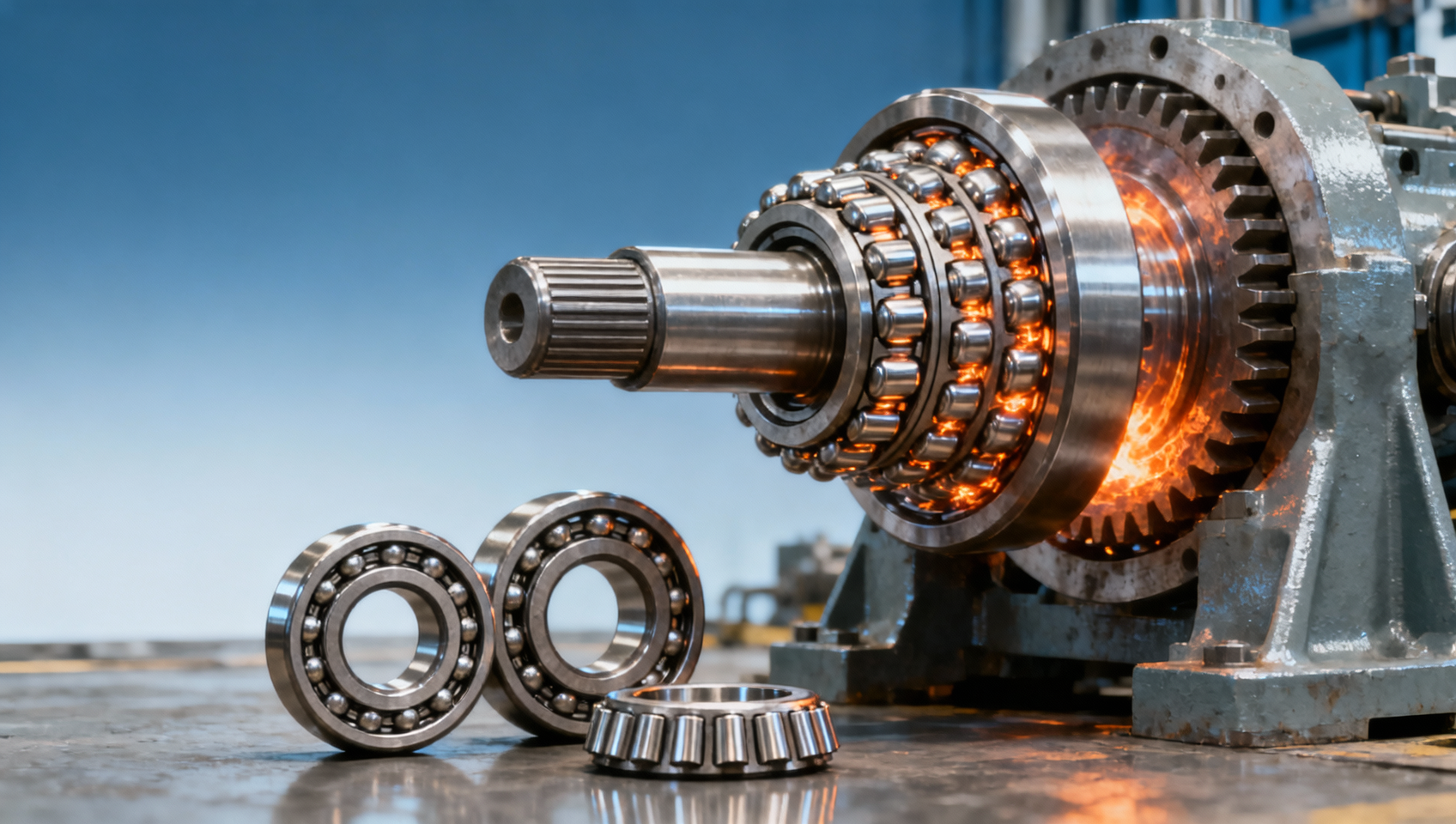
Thermal expansion and contraction also play a significant role in bearing failure. When a bearing is subjected to high thermal gradients, the internal clearance—known as the Radial Internal Clearance (RIC)—can be lost. If the clearance becomes zero or negative, the bearing becomes preloaded, significantly increasing internal friction and heat. This can lead to a "thermal runaway" condition where the bearing eventually seizes. For technical evaluators, selecting the correct clearance class (e.g., C3 or C4) is essential when designing systems that operate at high temperatures or across wide temperature fluctuations.
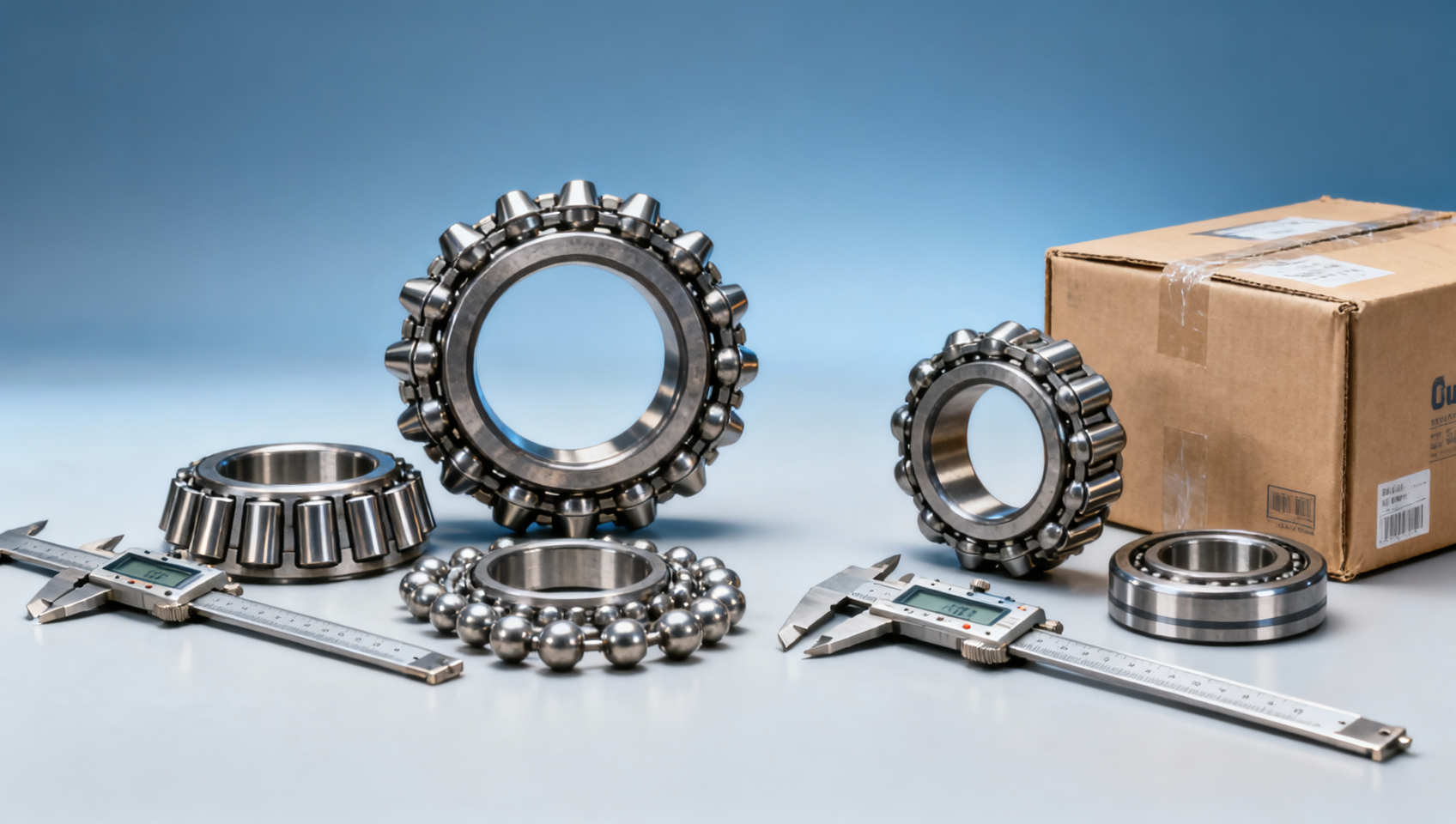
The strategic sourcing of bearings must therefore prioritize material traceability and compliance with international standards such as ISO 9001 and AS9100. Ensuring that every component used in critical infrastructure has undergone rigorous non-destructive testing (NDT), such as ultrasonic or magnetic particle inspection, is the only way to guarantee that subsurface defects like inclusions or voids are not present. These defects act as stress raisers and are often the root cause of unexpected catastrophic failures in high-load mechanical systems.
As indicated by the parameters above, precision engineering requires a balance between material limits and environmental conditions. By adhering to these threshold recommendations, project managers can significantly extend the Mean Time Between Failures (MTBF) and ensure that their procurement decisions align with the rigorous requirements of global industrial core systems.
Proactive Maintenance and Strategic Sourcing: Mitigating Risk in High-Stakes Procurement
In the contemporary B2B landscape, the cost of bearing failure extends far beyond the price of the replacement part. For EPC contractors and industrial facility managers, the true cost includes lost production time, emergency labor, and potential secondary damage to expensive shafts or housings. Studies have shown that a proactive maintenance strategy—utilizing condition monitoring tools like vibration analysis and thermography—can provide an ROI of 3:1 to 5:1 compared to a reactive "run-to-fail" approach. Vibration analysis, in particular, can detect early-stage "bearing tones" up to 3 to 6 months before a catastrophic failure occurs.
Strategic sourcing is the second pillar of industrial resilience. Procurement directors must look beyond unit economics and evaluate suppliers based on their technical support capabilities and compliance with international safety standards (CE, UL, ISO). For mission-critical infrastructure, sourcing from a verified authority ensures that the bearings meet the precise tolerances (ABEC 5 or higher) required for high-speed and high-load stability. At the Global Industrial Core (GIC), we emphasize that "Trust Signals" are not just marketing terms but are built upon rigorous data-driven insights and material breakthrough analysis.
Integrating technical whitepapers and real-world case studies into the procurement process allows decision-makers to visualize how specific bearing designs perform under extreme conditions. For example, in metallurgical engineering, the use of tapered roller bearings with specialized "logarithmic" profiles can improve load distribution and reduce edge loading, which is a common cause of premature failure in heavy-duty conveyors and crushers. By aligning with partners who provide this level of mission-critical intelligence, industrial enterprises can optimize their supply chain and ensure absolute reliability in their foundational systems.
Effective maintenance also involves the implementation of automated lubrication systems. These systems deliver precise amounts of lubricant at optimal intervals, reducing the risk of both over-lubrication (which causes churning and heat) and under-lubrication (which causes wear). In large-scale Electrical & Power Grid applications, where manual lubrication may be hazardous or logistically difficult, these automated solutions can reduce lubricant consumption by up to 30% while simultaneously increasing bearing life by 50% or more through consistent film maintenance.
Frequently Asked Questions (FAQ)
What are the most critical factors when selecting a bearing for high-load environments?
Technical evaluators should prioritize the Dynamic Load Rating (Cr), the Static Load Rating (Cor), and the limiting speed of the bearing. Additionally, environmental factors like operating temperature and potential exposure to moisture or chemicals must be cross-referenced with the material specifications and seal types (e.g., triple-lip seals vs. labyrinth seals) to ensure long-term reliability.
How often should high-load bearings be inspected in a facility management program?
The frequency depends on the criticality of the equipment. For "A-Class" assets in power systems or metallurgical plants, monthly vibration monitoring and quarterly oil analysis are standard. For less critical "B-Class" items, semi-annual inspections may suffice. Using a data-driven approach allows for predictive maintenance, catching defects in the 5% to 10% wear phase rather than waiting for complete failure.
Why is metallurgical purity so important for bearing performance?
Metallurgical purity refers to the absence of non-metallic inclusions in the steel. These inclusions act as points of high stress concentration. Under high loads, these points become the origin of subsurface cracks. Premium bearings utilize vacuum-degassed or electroslag remelted (ESR) steels to ensure a homogeneous microstructure, which can extend fatigue life by up to 2.5 times compared to standard commercial-grade bearings.
Conclusion: Architecting a Resilient Future through Mechanical Excellence
Understanding why high-load bearings fail is not merely a technical exercise; it is a strategic imperative for any organization committed to industrial Security & Safety. From the micro-level precision of metallurgical integrity to the macro-level oversight of facility management, every decision in the bearing lifecycle impacts the resilience of our modern infrastructure. By identifying failure modes early, optimizing lubrication strategies, and sourcing through technically authoritative hubs, engineers and decision-makers can transform maintenance from a cost center into a competitive advantage.
As industries continue to push the boundaries of load, speed, and efficiency, the demand for mission-critical intelligence has never been higher. Global Industrial Core (GIC) remains dedicated to providing the rigorous analysis and strategic insights needed to navigate these complexities. Whether you are an EPC contractor looking for compliant components or a project manager overseeing a power grid expansion, the path to operational excellence begins with a deep commitment to technical standards and proactive risk mitigation. We invite you to explore our comprehensive technical whitepapers and engage with our panel of experts to further optimize your industrial systems.
Ready to enhance the reliability of your mechanical infrastructure? Contact us today to receive a customized technical assessment or consult our experts for high-performance sourcing solutions tailored to your specific engineering challenges. Let us help you build a safer, more resilient operational environment.
Technical Specifications
Expert Insights

Chief Security Architect
Dr. Thorne specializes in the intersection of structural engineering and digital resilience. He has advised three G7 governments on industrial infrastructure security.
Related Analysis
- Apr 25, 2026China Launches World's Largest Agri-Meteorological Observation NetworkAuthor :Precision Metrology Expert
- Apr 25, 2026Binggang Group & AHUT Advance Steel Slag Valorization TechAuthor :Heavy Industry Strategist
- Apr 25, 2026China Leads First ISO Standard for Zero-Carbon CitiesAuthor :Environmental Engineering Director
Core Sector // 01
Security & Safety
- Fastener Expo Shanghai 2026: 1400+ Suppliers, B2B Matching for Int'l BuyersAuthor :Heavy Industry Strategist
![]()
- Why high-load bearings fail in mechanical engineeringAuthor :Heavy Industry Strategist

- Deep Groove Ball Bearings Noise Often Starts with InstallationAuthor :Heavy Industry Strategist

- Tapered Roller Bearings Wholesale: Where Price Gaps Come FromAuthor :Heavy Industry Strategist

- Cylindrical Roller Bearings and Heat Build-Up Under LoadAuthor :Heavy Industry Strategist

- Pillow Block Bearings UCP Size Mismatch Causes More DowntimeAuthor :Heavy Industry Strategist

- Thrust Ball Bearings vs Radial Loads: Where Problems StartAuthor :Heavy Industry Strategist

- When Angular Contact Ball Bearings Are the Wrong ChoiceAuthor :Heavy Industry Strategist