When Angular Contact Ball Bearings Are the Wrong Choice
Author
Date Published
Reading Time
Angular contact ball bearings are not always the best fit for demanding industrial systems. When loads, speed, alignment, contamination, or maintenance conditions shift, alternatives such as deep groove ball bearings, cylindrical roller bearings, thrust ball bearings, or tapered roller bearings wholesale options may deliver better reliability and lifecycle value. This guide helps procurement teams, operators, and decision-makers identify when angular contact ball bearings become the wrong choice.
In industrial procurement, a bearing is rarely a simple catalog item. It influences uptime, shaft stability, lubrication intervals, energy consumption, and failure risk across pumps, conveyors, fans, gearboxes, motors, and process equipment. A mismatch between bearing design and operating conditions can shorten service life from several years to only a few months, especially in harsh duty cycles.
For EPC contractors, maintenance teams, and sourcing managers, the practical question is not whether angular contact ball bearings are good, but when they are no longer the right engineering choice. The answer often depends on 5 variables: axial-to-radial load ratio, operating speed, shaft alignment, contamination level, and maintenance capability at site.
This article outlines the red flags, compares alternative bearing types, and provides a structured framework for specification and purchase decisions in industrial environments where lifecycle cost matters more than initial unit price.
Where Angular Contact Ball Bearings Stop Making Sense
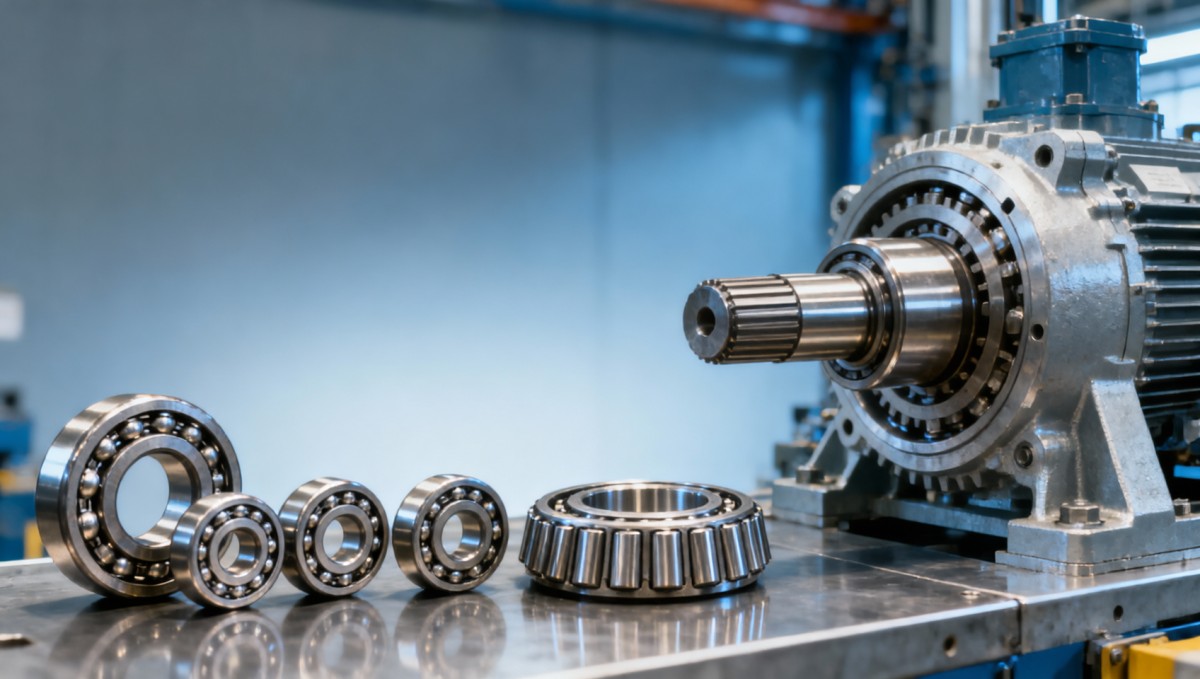
Angular contact ball bearings are designed to handle combined loads, especially where axial load acts in one direction alongside radial load. They perform well in machine tools, pumps, compressors, and precision assemblies. However, their advantages weaken when real operating conditions move outside the range assumed in a clean, aligned, properly lubricated design.
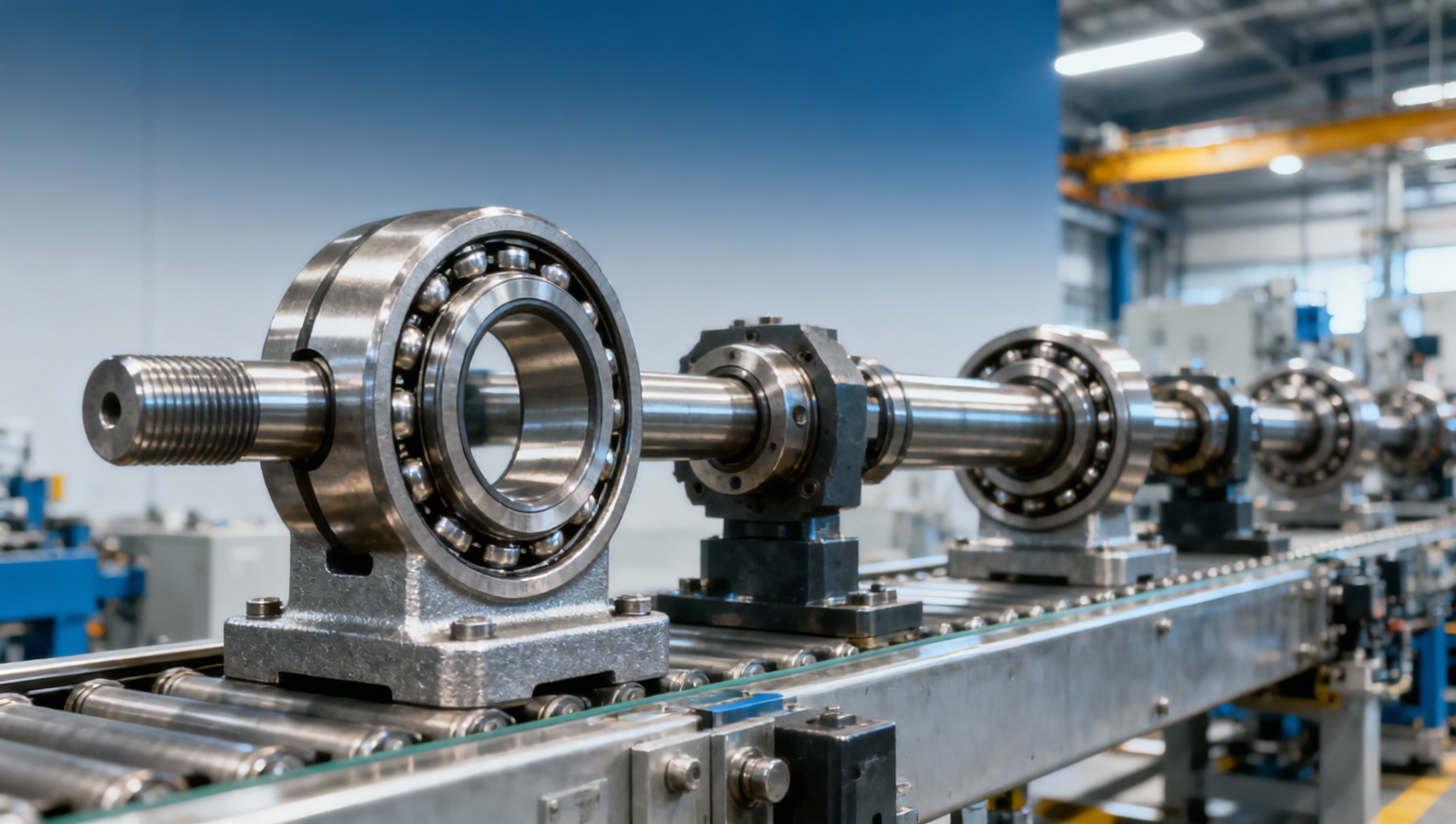
A common failure point appears when radial loads become dominant and shock loads rise. In bulk material handling, mining auxiliaries, or steel-processing lines, repeated impact and vibration can create stress patterns that are better handled by roller-based designs. If equipment sees frequent load spikes above normal duty, the ball-raceway contact area may simply be too limited.
Another issue is mounting accuracy. Angular contact ball bearings often require controlled preload, correct orientation, and tighter assembly discipline than many general-purpose bearings. If shaft runout, housing tolerance, or spacer setup drifts beyond practical field limits, performance deteriorates quickly. In remote facilities, the cost of maintaining that precision can outweigh the design benefit.
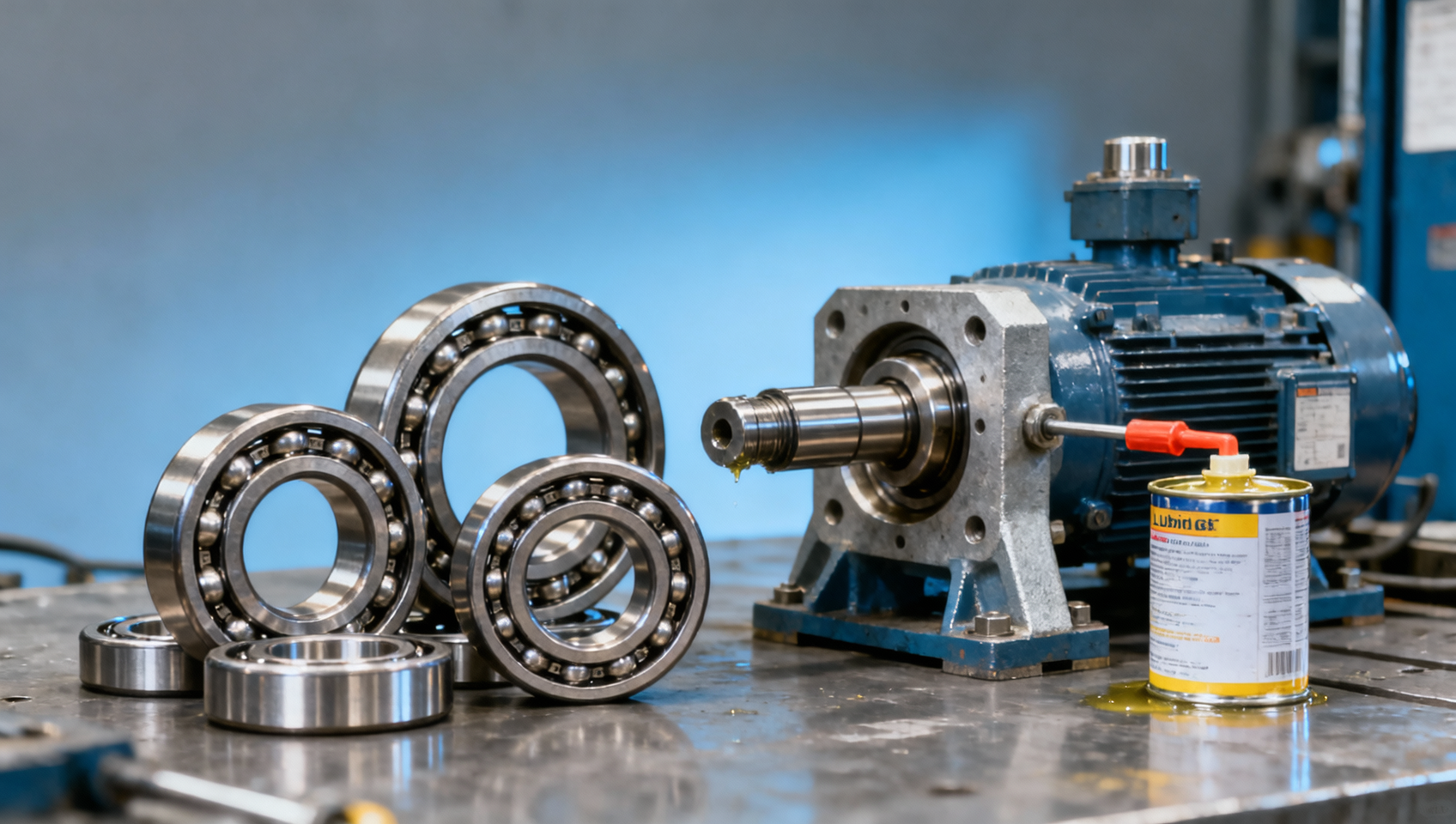
Industrial users should also be careful when contamination risk is high. Fine dust, metal fines, moisture, and chemical washdown environments accelerate grease degradation and raceway damage. In such settings, a theoretically efficient bearing may become an expensive maintenance burden within 3 to 12 months of service.
Typical warning signs during operation
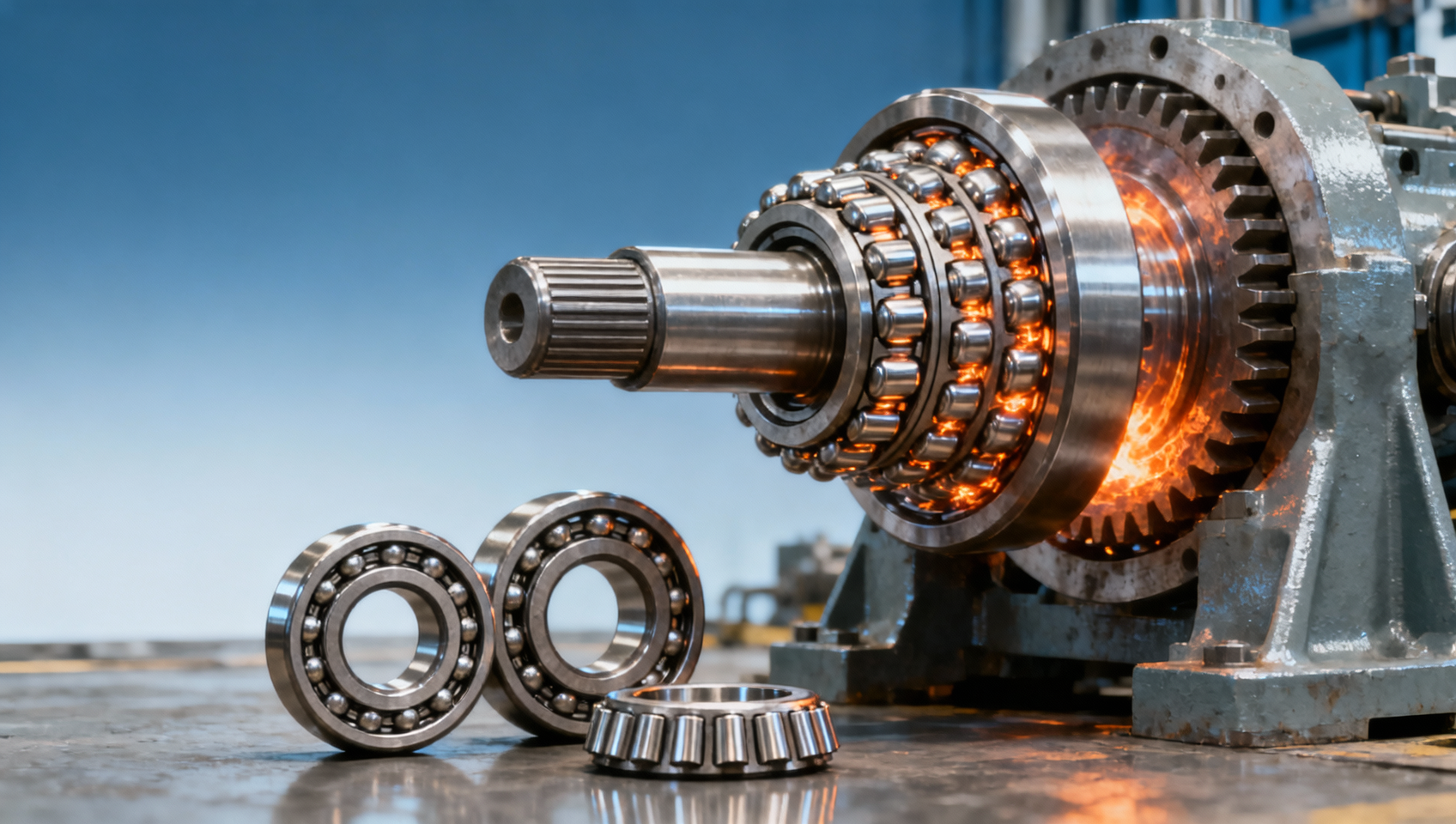
- Housing temperature rises by more than 15°C to 25°C above normal after relubrication or restart.
- Repeated axial positioning errors appear after 2 to 4 weeks of operation.
- Noise, vibration, or cage wear emerges under variable speed duty rather than constant-speed duty.
- Installation requires skilled preload control that plant teams cannot consistently reproduce.
The table below summarizes situations where angular contact ball bearings often underperform in industrial use.
The key takeaway is straightforward: angular contact ball bearings are not poor components, but they are sensitive components. When the system cannot guarantee clean lubrication, alignment accuracy, and predictable combined loads, the wrong bearing choice can increase downtime, spares consumption, and technician intervention.
Choosing the Right Alternative for the Load Case
Replacing an angular contact ball bearing should never be based on price alone. The correct alternative depends on whether the application is dominated by radial load, pure axial load, shock loading, or mixed duty under slower speeds. In many industrial systems, a change in bearing geometry can improve actual service life by 1.5x to 3x even if the initial bearing cost is higher.
Deep groove ball bearings are often the first alternative considered. They are widely available, relatively tolerant in general-purpose applications, and easier to mount. For electric motors, fans, light-duty pumps, and packaged equipment with moderate radial loads, they can deliver a better balance between cost, noise, and maintenance simplicity.
Cylindrical roller bearings become attractive when radial loads are high and speed remains moderate to high. Their line contact improves load distribution, making them useful in gearboxes, rolling equipment, and heavy-duty drives. Where axial load is minor or managed elsewhere in the assembly, cylindrical roller bearings can outperform ball-based designs in fatigue resistance.
Thrust ball bearings and tapered roller bearings address different axial requirements. Thrust ball bearings suit applications with primarily axial load at controlled speeds, while tapered roller bearings handle combined loads more robustly and are often preferred in wheel-end, transmission, and heavily loaded industrial assemblies. For buyers evaluating tapered roller bearings wholesale, the priority should be consistency in geometry, heat treatment, and traceable material quality, not just catalog availability.
Comparison of common replacement paths
The matrix below helps technical buyers compare typical bearing alternatives against core industrial conditions.
For decision-makers, the most important question is not “Which bearing is stronger?” but “Which bearing matches the real failure mode?” If failures are caused by radial stress, contamination, or mounting inconsistency, changing only the brand while keeping the same angular contact geometry may not solve the root problem.
A practical 4-point screening method
- Measure the load pattern: estimate whether radial load exceeds axial load by 2:1, 3:1, or more.
- Check actual operating speed, not design nameplate speed, especially under variable frequency control.
- Review alignment and tolerance capability at site, including shaft shoulder, housing seat, and locknut practice.
- Evaluate maintenance reality: grease interval every 500 hours, 2,000 hours, or “run until shutdown” makes a major difference.
Operational Conditions That Usually Favor Another Bearing Design
Some environments repeatedly push angular contact ball bearings into failure-prone territory. One common example is contaminated process equipment. Cement plants, foundries, aggregate handling systems, pulp lines, and outdoor conveyors expose bearings to dust, moisture, and fluctuating temperature. Even with seals, ingress risk rises when washdown frequency exceeds 1 to 3 times per week or airborne particulates remain continuously present.
Another unfavorable condition is misalignment caused by structural deflection or imperfect installation. In long shaft arrangements, belt-driven systems, or field-mounted bearing housings, alignment error may exceed practical limits during start-stop cycles. A bearing that depends on precise contact geometry is less forgiving when shafts shift under thermal growth or foundation movement.
Low-speed, high-load duty is also a key warning zone. Angular contact ball bearings often shine in higher-speed precision applications, but if the equipment turns slowly while carrying heavy radial or combined loads, roller elements usually distribute stress more effectively. This matters in rotating drums, slew-related support points, and drive ends under high transmitted torque.
Maintenance constraints should never be underestimated. If a plant runs with a lean team, limited shutdown windows, and spare parts replenishment cycles of 4 to 8 weeks, choosing a bearing that requires delicate preload verification is risky. A simpler bearing arrangement can reduce human error, shorten repair time, and stabilize stocking strategy.
Field conditions that change the decision
- Ambient temperature swings from -10°C to 45°C can alter fit and grease behavior, increasing preload sensitivity.
- Frequent starts above 10 to 20 cycles per day create transient loading that is different from stable continuous duty.
- Vibration from adjacent equipment can reduce the effective life of precision-mounted ball-bearing arrangements.
- If bearing replacement time must stay under 2 hours during shutdown, installation simplicity becomes a selection criterion.
The specification team should therefore separate laboratory suitability from field suitability. On paper, angular contact ball bearings may meet load and speed calculations. In the plant, however, contamination, tolerance stack-up, and service practices often dominate the true lifecycle outcome.
For procurement, this means technical RFQs should ask about sealing options, lubrication method, fit recommendations, and mounting requirements—not just bore size and outside diameter. The right questions can eliminate repeat failures before the first purchase order is issued.
Procurement Criteria Beyond the Catalog Specification
Industrial buyers often compare bearings by dimensions, dynamic load ratings, and lead time. Those factors matter, but they do not fully predict installed reliability. A sound sourcing decision should include at least 6 checkpoints: load type, duty cycle, sealing strategy, lubrication plan, installation skill level, and supplier documentation quality.
For example, two bearings with similar envelope dimensions may behave very differently in service if one design is more tolerant of contamination or mounting variation. Similarly, a lower purchase price may be erased by one unplanned shutdown, especially when downtime affects a production line, utility subsystem, or critical pump train.
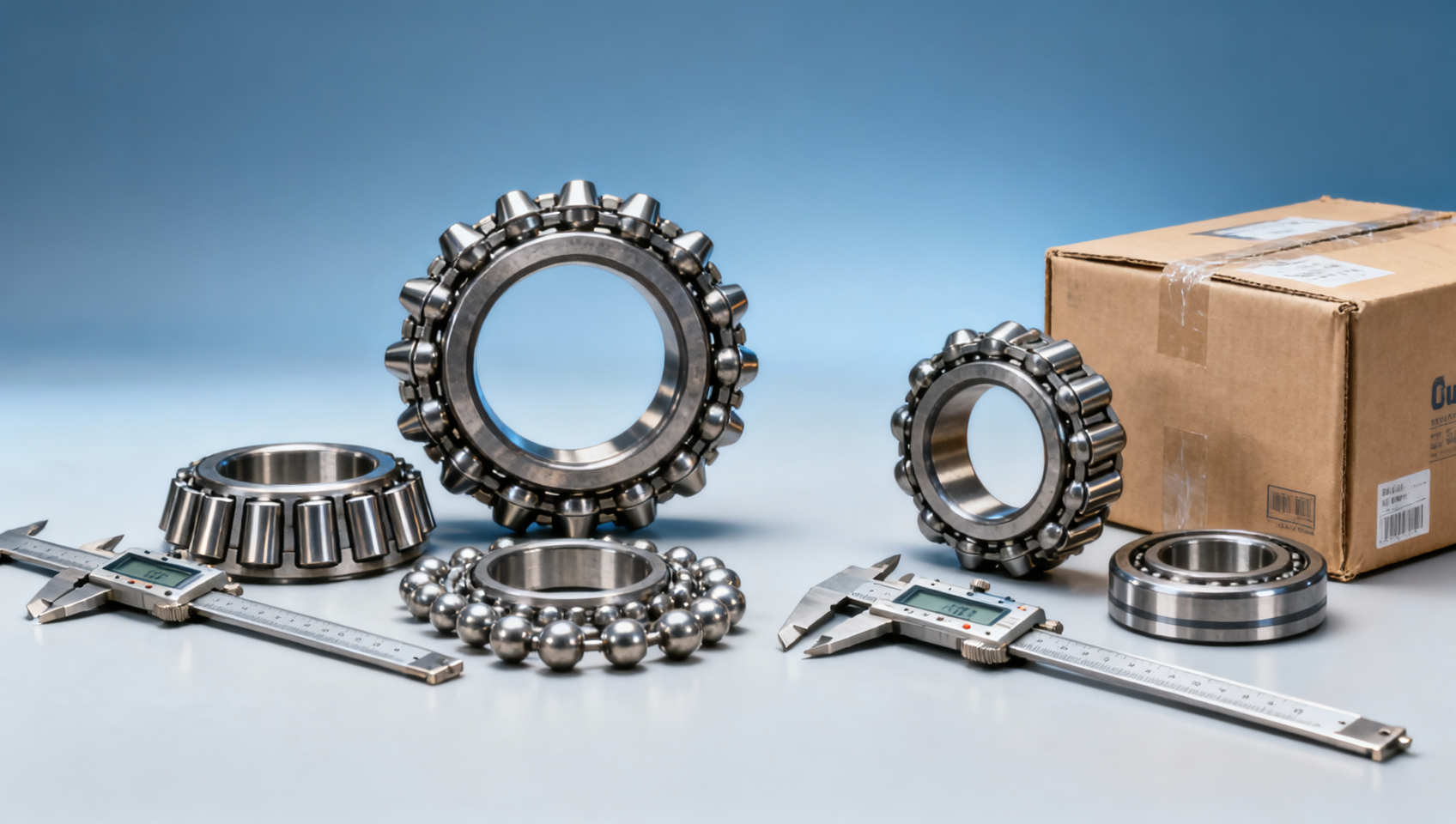
When evaluating tapered roller bearings wholesale or other alternatives at volume, buyers should confirm consistency across batches, traceable material origin where available, and packaging protection for export or long storage. In industrial logistics, corrosion during 60 to 120 days of storage can become a hidden failure factor before installation even begins.
Cross-functional review is often the best safeguard. Operators may notice temperature drift, maintenance teams may know the true installation constraints, and procurement may understand supplier responsiveness. A bearing decision made only from the engineering drawing can miss these operational realities.
Procurement decision table for replacement evaluation
The table below provides a practical scoring framework for buyers deciding whether to keep or replace an angular contact ball bearing specification.
This framework helps procurement teams move from part-number substitution to risk-based selection. That shift is especially valuable in multinational projects, utility plants, OEM sourcing programs, and maintenance contracts where repeatability matters as much as performance.
Recommended RFQ questions
- What load balance and duty cycle is the proposed bearing optimized for?
- What mounting tolerances and preload controls are required at installation?
- What sealing and lubrication approach is recommended for dusty or wet environments?
- What is the expected relubrication interval under normal industrial duty?
- How are packaging, traceability, and storage protection handled for long transit cycles?
Implementation, Maintenance, and FAQ for Industrial Teams
Changing from angular contact ball bearings to another design should follow a controlled process rather than an emergency substitution. The best practice is a 3-stage approach: inspect failure mode, verify fit and load path, then validate lubrication and sealing. Skipping any of these stages can transfer the problem instead of solving it.
Failure analysis should begin with physical evidence. Raceway marks, cage damage, grease condition, and heat discoloration often reveal whether the dominant cause was overload, contamination, preload error, or misalignment. This matters because a bearing that fails after 6 months from ingress requires a different response than one that fails after 18 months from radial overload.
Maintenance planning should also change with the bearing type. A deep groove ball bearing may simplify installation and reduce setup variability, while a tapered roller arrangement may require more attention during assembly but offer better survivability in heavy combined loads. The right choice depends on whether the plant prioritizes easy replacement, longer life, or shock-load resilience.
For industrial buyers, the long-term objective is stable operation across the full asset lifecycle: startup, routine maintenance, spare stocking, and overhaul. A technically modest but well-matched bearing often outperforms a premium but poorly matched one.
FAQ: practical questions from buyers and operators
How do I know if the current angular contact ball bearing is the wrong choice?
Look for repeat failure patterns rather than one isolated incident. If the same position shows heat, noise, or short service life within 3 to 12 months, and the environment includes high radial load, contamination, or variable alignment, the bearing design should be reviewed. Replacing with the same type from another source may not address the underlying issue.
Are deep groove ball bearings always a lower-performance option?
No. In many motors, fans, and general rotating assemblies, deep groove ball bearings are the more practical option because they offer broad speed capability, straightforward mounting, and good availability. They are not a downgrade when the actual axial load is limited and the system values maintenance simplicity.
When should tapered roller bearings be considered?
They are worth evaluating when combined loads are high, shock is present, and service conditions are more rugged than precision-focused. This is common in transmissions, industrial hubs, material handling supports, and drive systems. Buyers considering tapered roller bearings wholesale should confirm geometry consistency and storage protection if goods will move through long international supply chains.
What maintenance step most often gets overlooked?
Installation discipline. Even the correct bearing can fail early if fits are wrong, housings are damaged, grease types are mixed, or preload is estimated instead of controlled. In many plants, a 30-minute verification step during assembly prevents weeks of vibration and temperature troubleshooting later.
Angular contact ball bearings remain valuable in the right applications, but they should not be treated as the default answer for every combined-load system. When radial force rises, contamination increases, alignment becomes uncertain, or maintenance resources are limited, alternative bearing types may offer a more dependable and economical result.
A disciplined review of load case, field conditions, installation capability, and lifecycle cost can prevent repeated failures and improve procurement outcomes across industrial assets. If your team is reassessing a bearing specification, planning a replacement strategy, or comparing alternatives for a new project, contact Global Industrial Core to discuss application-specific options, sourcing considerations, and practical selection guidance.
Technical Specifications
Expert Insights

Chief Security Architect
Dr. Thorne specializes in the intersection of structural engineering and digital resilience. He has advised three G7 governments on industrial infrastructure security.
Related Analysis
- Apr 23, 2026Deep Groove Ball Bearings Noise Often Starts with InstallationAuthor :Heavy Industry Strategist
- Apr 23, 2026Tapered Roller Bearings Wholesale: Where Price Gaps Come FromAuthor :Heavy Industry Strategist
- Apr 23, 2026Cylindrical Roller Bearings and Heat Build-Up Under LoadAuthor :Heavy Industry Strategist
Core Sector // 01
Security & Safety
- Deep Groove Ball Bearings Noise Often Starts with InstallationAuthor :Heavy Industry Strategist

- Tapered Roller Bearings Wholesale: Where Price Gaps Come FromAuthor :Heavy Industry Strategist

- Cylindrical Roller Bearings and Heat Build-Up Under LoadAuthor :Heavy Industry Strategist

- Pillow Block Bearings UCP Size Mismatch Causes More DowntimeAuthor :Heavy Industry Strategist

- Thrust Ball Bearings vs Radial Loads: Where Problems StartAuthor :Heavy Industry Strategist

- When Angular Contact Ball Bearings Are the Wrong ChoiceAuthor :Heavy Industry Strategist

- Needle Roller Bearings Wholesale Without Quality DriftAuthor :Heavy Industry Strategist

- Rod End Bearings Wholesale: What Changes at Higher Volumes?Author :Heavy Industry Strategist