Cylindrical Roller Bearings and Heat Build-Up Under Load
Author
Date Published
Reading Time
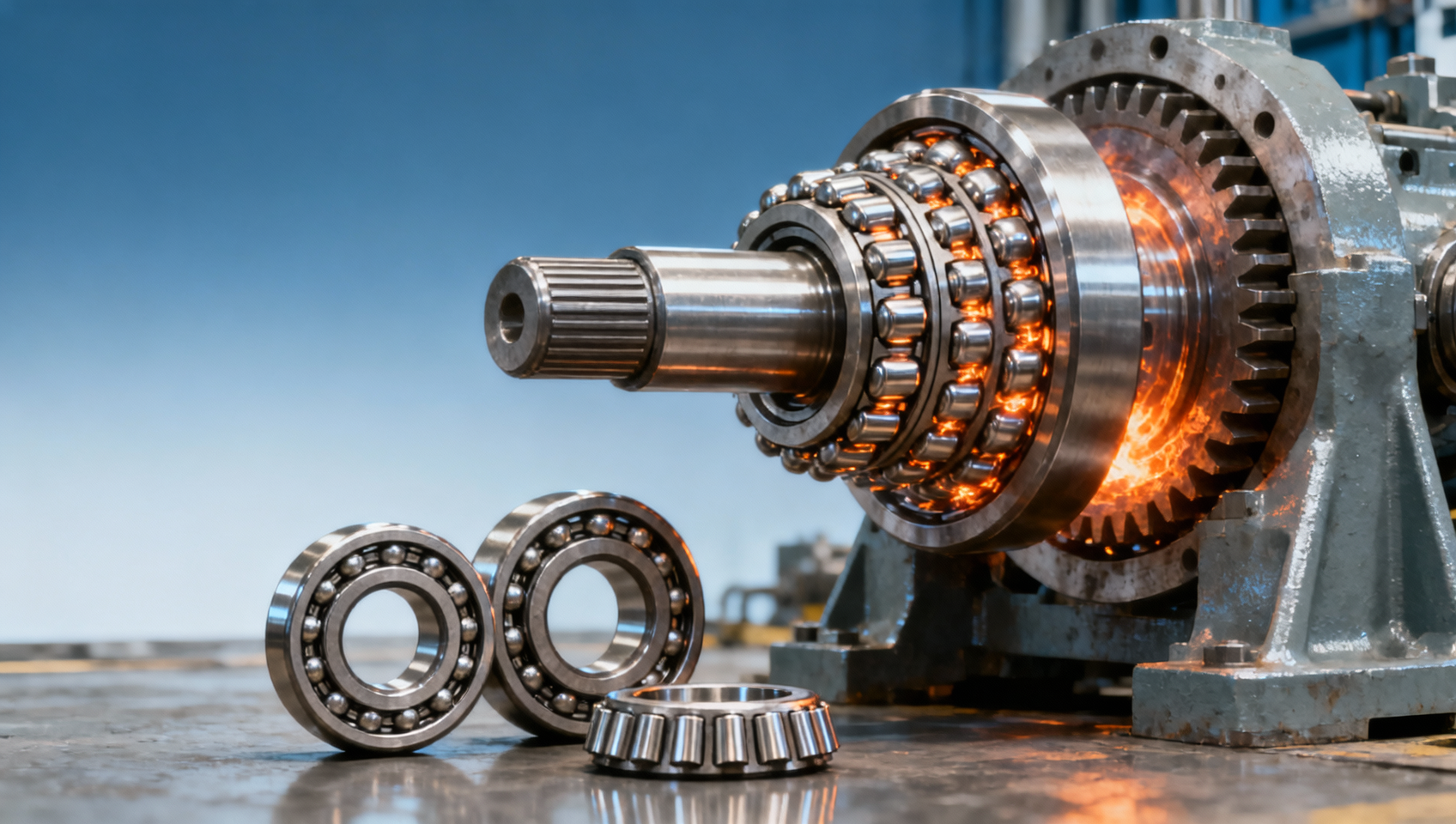
When cylindrical roller bearings operate under heavy load, heat build-up can quietly erode efficiency, shorten service life, and trigger costly downtime. For engineers, operators, and buyers comparing cylindrical roller bearings with deep groove ball bearings, angular contact ball bearings, or tapered roller bearings wholesale options, understanding the causes of temperature rise is essential to smarter selection, lubrication planning, and long-term equipment reliability.
Why do cylindrical roller bearings generate heat under load?
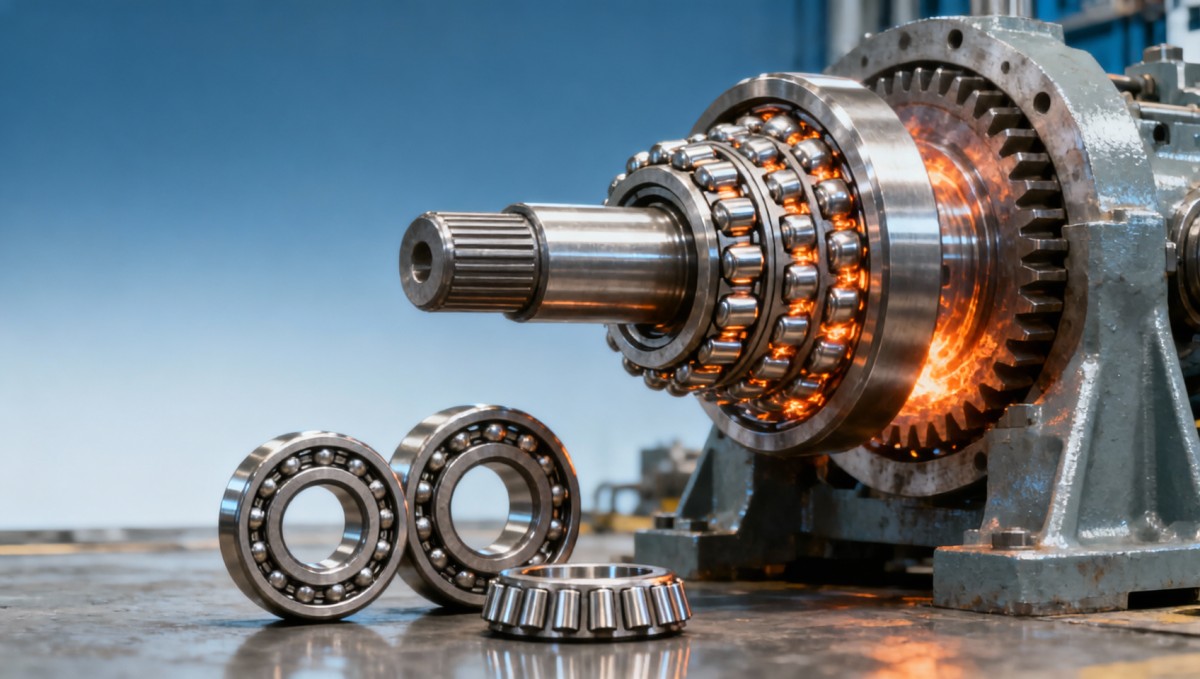
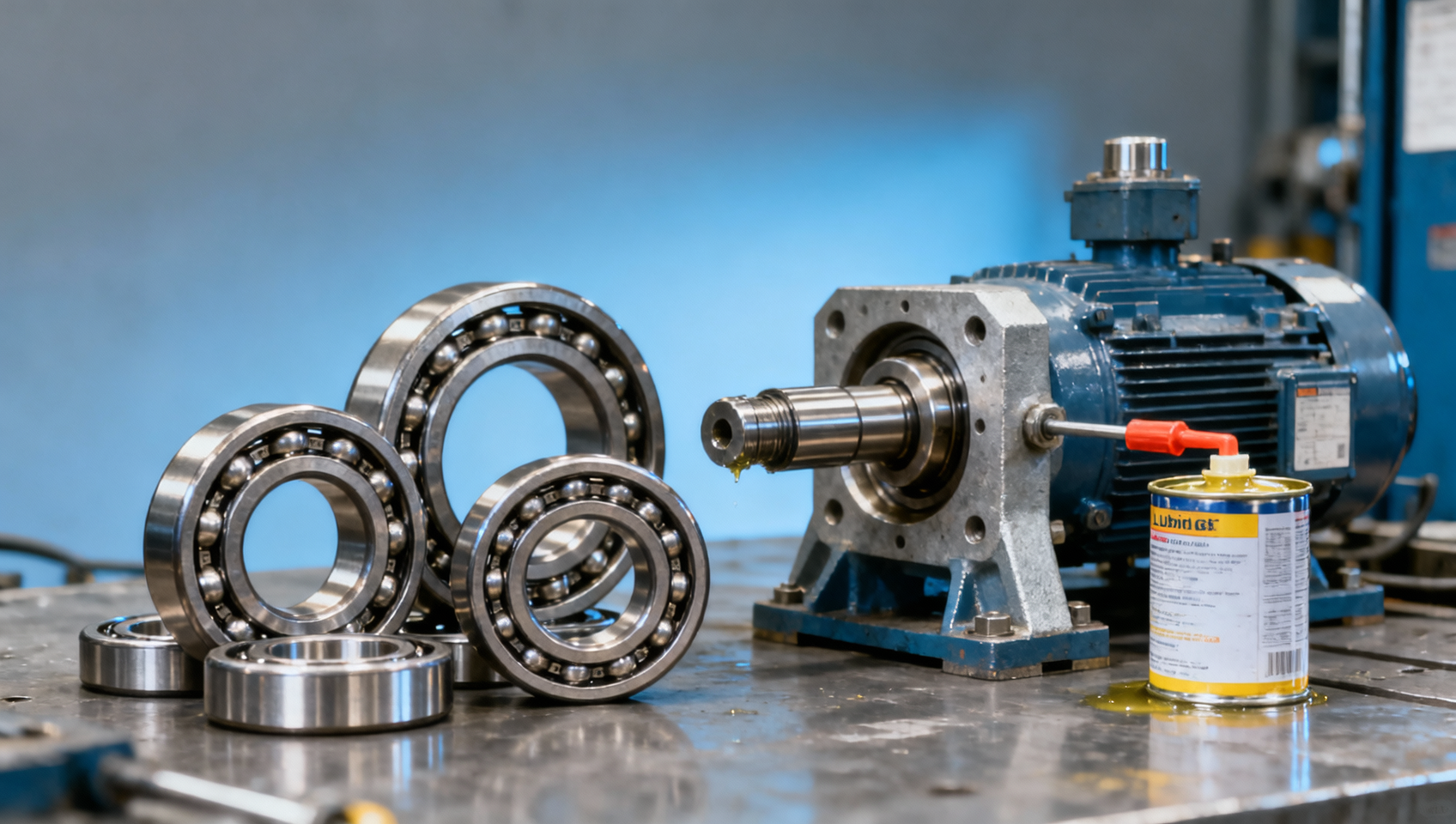
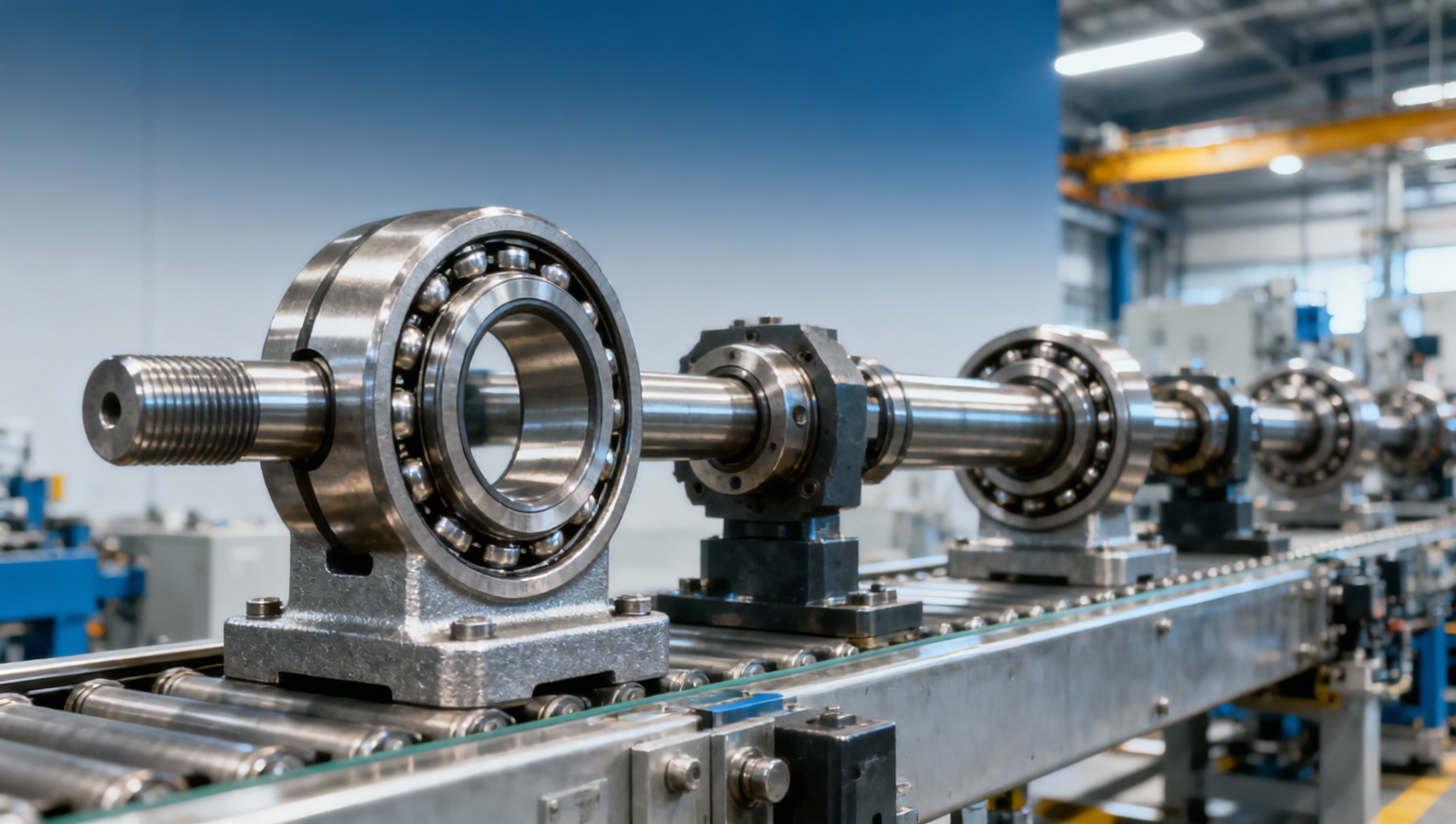
In industrial drives, gearboxes, pumps, rolling mills, compressors, and conveyor systems, cylindrical roller bearings are selected because they carry high radial loads and maintain stiffness at speed. Yet high load capacity does not mean unlimited thermal stability. Heat build-up starts when friction, lubrication losses, preload or fit errors, and contamination combine faster than the housing can dissipate energy.
For operators, the problem often appears gradually. A bearing that starts at a normal stabilized temperature may drift upward by 10°C–25°C over several hours of continuous duty. That rise may still sit below an alarm threshold, but it can already thin lubricant film, accelerate oxidation, and reduce clearance. In a loaded shaft line, small thermal changes can quickly alter running conditions.
For procurement teams, heat build-up is not only a maintenance issue. It affects bearing life, grease interval, seal choice, shaft tolerance, and replacement frequency. A low purchase price can become expensive if the unit requires relubrication every 2–4 weeks instead of every 2–3 months, or if shutdown costs exceed the component cost many times over.
In heavy industry and infrastructure environments, GIC evaluates bearing heat not as an isolated component issue but as part of system reliability. Load spectrum, shaft deflection, housing rigidity, contamination control, and compliance requirements all influence thermal behavior. This broader view helps EPC contractors, facility managers, and industrial buyers avoid selection decisions based only on catalog load ratings.
The 5 most common heat sources in loaded bearing arrangements
- Excessive internal friction caused by incorrect radial internal clearance, especially when shaft and housing fits reduce operating clearance after installation.
- Lubrication mismatch, including grease that is too stiff for startup temperature or oil viscosity that is too low for the actual load and speed zone.
- Misalignment and shaft deflection, which create edge loading across rollers and raise localized contact stress and heat.
- Contamination from dust, scale, moisture, or metallic debris, increasing abrasion and disrupting the lubricant film.
- Over-tight seals, poor housing ventilation, or nearby process heat that limit heat dissipation even when the bearing itself is correctly selected.
A useful field rule is to evaluate temperature rise in three stages: startup, stabilization, and loaded steady-state operation. If temperature spikes during the first 30–90 minutes and never stabilizes, the issue often points to lubrication volume, fit, or clearance. If heat rises only after several hours, external loading, contamination, or process-side heat transfer may be more likely.
How do cylindrical roller bearings compare with other bearing types when heat matters?
Buyers rarely assess cylindrical roller bearings in isolation. In many procurement projects, the real question is whether they outperform deep groove ball bearings, angular contact ball bearings, or tapered roller bearings in a thermal-risk environment. The answer depends on radial load dominance, allowable axial load, operating speed, mounting accuracy, and maintenance capability.
Cylindrical roller bearings usually handle heavy radial loads better than deep groove ball bearings and often generate a more favorable contact condition under that load. However, they are less forgiving when alignment, fit, or lubrication control is poor. Tapered roller bearings can manage combined loads well, but their line-contact geometry and setting sensitivity can increase heat if preload is not controlled carefully.
Angular contact ball bearings can run at high speed, but in heavily radial, shock-prone industrial settings they may not provide the same stiffness or load margin as cylindrical roller bearings. This is why machinery designers often choose cylindrical roller bearings for motors, industrial transmissions, crushers, and process equipment where radial forces dominate and axial location is handled elsewhere.
The comparison below focuses on thermal behavior under practical industrial conditions rather than catalog marketing language. It is intended to support early-stage selection, retrofit review, and wholesale bearing sourcing discussions.
This comparison shows why cylindrical roller bearings are often the better choice for high radial load systems, but only when the application is engineered as a system. If the machine also carries strong axial loads, frequent shock, or large installation variation across multiple sites, another bearing arrangement may be safer or may require a paired design.
When the comparison changes in real projects
For retrofit work
A direct swap based only on shaft size is risky. Retrofit projects should review housing condition, lubricant type, seal drag, and actual duty cycle over at least 1 operating week. In older lines, surface wear and shaft runout often create more heat than the bearing design itself.
For new procurement
If the purchasing team can define three basics clearly—load direction, speed range, and relubrication interval—the probability of choosing the right bearing type improves substantially. Without these inputs, even premium cylindrical roller bearings may underperform in service.
What should engineers and buyers check before selecting cylindrical roller bearings?
Selection mistakes often happen because teams rely on nominal dimensions and static load values while overlooking thermal operating conditions. In industrial procurement, especially across multiple plants or international EPC projects, a better method is to screen applications through a structured checklist that combines technical and commercial criteria.
A practical review should cover at least 5 key checks: actual radial load range, shaft speed range, operating temperature window, lubrication method, and contamination level. If one of these is unknown, the risk of heat-related failure increases. This is particularly important for bulk or wholesale sourcing, where one incorrect specification can affect dozens or hundreds of installed units.
For users and operators, the bearing should also match the maintenance reality. A design that performs well with centralized oil circulation may fail in a plant where grease lubrication is applied manually every month. For decision-makers, that difference changes total lifecycle cost more than catalog unit price.
The table below provides a practical procurement and selection framework for cylindrical roller bearings in load-intensive industrial service.
This framework helps align technical staff and purchasing teams. Instead of debating brands too early, teams can first verify operating conditions, then compare bearing options on a common basis. That reduces urgent replacement buying and helps standardize spares across sites.
A 4-step selection workflow for B2B projects
- Define the real operating envelope, including minimum and maximum speed, load peaks, ambient temperature, and duty hours per day.
- Confirm shaft and housing fits, expected thermal expansion, and whether axial displacement must be accommodated in the arrangement.
- Select lubricant and sealing concept according to contamination level, service interval target, and maintenance resources on site.
- Review commercial factors such as lead time, batch consistency, documentation, and cross-border compliance requirements before issuing the order.
In many industrial supply chains, standard delivery for common bearing sizes may fall within 7–15 days, while special tolerances, matched sets, or documentation-heavy export orders can extend to 2–6 weeks. Lead time should therefore be part of thermal-risk planning, especially where a hot-running bearing could force an unscheduled shutdown.
How can teams reduce heat build-up during operation and maintenance?
Once cylindrical roller bearings are installed, thermal control depends on disciplined operation. In most plants, overheating is linked less to one dramatic failure and more to routine issues: over-greasing, missed alignment checks, seal wear, or unstable loading. A reliable prevention plan should begin with temperature trend monitoring and lubrication discipline.
Operators should track not only absolute temperature but also rate of rise. A bearing running consistently at one stable level can be healthier than one that fluctuates by 8°C–12°C during each shift. If a bearing shows rising temperature after relubrication, excessive grease quantity may be the problem rather than insufficient grease.
For maintenance teams, the first 24–72 hours after installation are critical. That period often reveals fit problems, mounting damage, or lubrication mismatch. Infrared checks, vibration observation, and sound inspection during this early window can prevent a minor issue from turning into raceway damage.
In industrial environments with dust, moisture, or process contamination, maintenance planning should be adjusted by condition severity rather than calendar habit alone. A monthly inspection may be enough in enclosed motor service, while a weekly review can be justified in high-contamination conveying or metallurgical duty.
Practical control measures that reduce temperature rise
- Use the correct lubricant quantity. Overfilling a bearing housing can create churning losses and raise operating temperature during the first several hours.
- Verify shaft alignment and housing geometry during installation, especially in coupled drives and multi-bearing arrangements.
- Inspect seals and contamination barriers regularly. Fine dust and water ingress can destroy lubricant condition long before visible damage appears.
- Set temperature alarm bands according to machine context. A fixed alarm value without load context can create false confidence or false trips.
- Document each intervention, including grease type, quantity, interval, and observed temperature trend, so recurring thermal issues can be diagnosed accurately.
When should a hot-running bearing trigger immediate review?
Immediate review is justified when temperature continues climbing after stabilization time, when vibration or noise changes at the same time, or when lubricant leakage and discoloration appear together. These combined signals are more meaningful than a single temperature reading. In continuous-process plants, even a 1-shift delay can expand repair scope from relubrication to shaft and housing rework.
FAQ: selection, procurement, and risk points for cylindrical roller bearings
How do I know whether cylindrical roller bearings are the right choice for my equipment?
They are typically a strong option when radial load is dominant, stiffness matters, and the machine does not rely on the same bearing to carry major axial load continuously. Common examples include industrial motors, gear units, pumps, paper machinery, and conveying systems. Confirm at least 3 things first: load direction, speed range, and lubrication method.
What causes a new cylindrical roller bearing to heat up soon after startup?
The most common causes are excessive grease fill, incorrect internal clearance after fitting, mounting damage, or misalignment. Review the first 30–90 minutes of operation carefully. If temperature rises quickly and does not plateau, installation and lubrication should be checked before the machine returns to full production duty.
What should procurement teams request from suppliers before placing bulk orders?
Ask for dimensional and tolerance documentation, material and heat-treatment information where relevant, traceability format, packing method, lead time by batch size, and any applicable compliance documents required by your project. For export or EPC work, also confirm language of documentation, marking consistency, and replacement interchangeability across planned operating sites.
Are cylindrical roller bearings always cooler than tapered roller bearings?
Not always. Cylindrical roller bearings can show better thermal behavior in heavy radial-load service, but actual heat depends on fit, lubrication, speed, and alignment. A properly set tapered roller bearing may outperform a poorly installed cylindrical roller bearing. The comparison must be application-specific, not assumption-based.
What is a realistic maintenance planning interval?
There is no universal interval, but common practice ranges from weekly visual and temperature checks in dirty service to monthly or quarterly condition review in cleaner, enclosed equipment. Relubrication may vary from a few weeks to several months depending on speed, load, and contamination. Trend data should always override a fixed calendar if the process is critical.
Why work with GIC when evaluating bearing heat, sourcing options, and project risk?
Global Industrial Core supports industrial buyers, EPC contractors, facility managers, and decision-makers who need more than a catalog cross-reference. Bearing selection under load affects uptime, maintenance cost, safety margin, and procurement planning. Our approach connects component behavior with the broader mechanical, compliance, and operational context of the project.
If you are comparing cylindrical roller bearings with deep groove ball bearings, angular contact ball bearings, or tapered roller bearings wholesale supply options, GIC can help structure the evaluation around application reality. That includes load review, thermal risk points, lubrication strategy, documentation expectations, and supply-chain constraints for regional or global deployment.
We can support discussions around parameter confirmation, product selection, delivery cycle expectations, replacement compatibility, compliance documentation, and sample review paths. For teams managing urgent shutdown risk, that means faster clarification of what can be standardized and what must remain application-specific.
Contact GIC if you need support with 4 practical areas: verifying bearing operating conditions, comparing alternative bearing arrangements, aligning lubrication and maintenance strategy, or organizing supplier communication for quotation and lead-time review. This is especially valuable when your project spans multiple facilities, strict procurement checkpoints, or high-cost downtime exposure.
Technical Specifications
Expert Insights

Chief Security Architect
Dr. Thorne specializes in the intersection of structural engineering and digital resilience. He has advised three G7 governments on industrial infrastructure security.
Related Analysis
- Apr 23, 2026Deep Groove Ball Bearings Noise Often Starts with InstallationAuthor :Heavy Industry Strategist
- Apr 23, 2026Tapered Roller Bearings Wholesale: Where Price Gaps Come FromAuthor :Heavy Industry Strategist
- Apr 23, 2026Cylindrical Roller Bearings and Heat Build-Up Under LoadAuthor :Heavy Industry Strategist
Core Sector // 01
Security & Safety
- Deep Groove Ball Bearings Noise Often Starts with InstallationAuthor :Heavy Industry Strategist

- Tapered Roller Bearings Wholesale: Where Price Gaps Come FromAuthor :Heavy Industry Strategist

- Cylindrical Roller Bearings and Heat Build-Up Under LoadAuthor :Heavy Industry Strategist

- Pillow Block Bearings UCP Size Mismatch Causes More DowntimeAuthor :Heavy Industry Strategist

- Thrust Ball Bearings vs Radial Loads: Where Problems StartAuthor :Heavy Industry Strategist

- When Angular Contact Ball Bearings Are the Wrong ChoiceAuthor :Heavy Industry Strategist

- Needle Roller Bearings Wholesale Without Quality DriftAuthor :Heavy Industry Strategist

- Rod End Bearings Wholesale: What Changes at Higher Volumes?Author :Heavy Industry Strategist