Needle Roller Bearings Wholesale Without Quality Drift
Author
Date Published
Reading Time
In industrial sourcing, consistency matters as much as price. For buyers evaluating needle roller bearings wholesale, the real challenge is avoiding quality drift across batches, suppliers, and operating conditions. From slewing ring bearings and angular contact ball bearings to cylindrical roller bearings and tapered roller bearings wholesale, this guide helps procurement teams and engineers identify dependable supply standards that protect uptime, compliance, and long-term equipment performance.
For most buyers, the core answer is straightforward: wholesale bearing supply is only reliable when quality is controlled at the system level, not just at the sample level. A low quoted price means little if hardness, dimensional tolerance, lubrication condition, heat treatment stability, or packaging discipline changes from one shipment to the next. For procurement teams, operators, and decision-makers, the priority is to verify whether a supplier can deliver repeatable bearing performance across volume orders, not merely provide acceptable first-batch samples.
What buyers are really searching for when they evaluate needle roller bearings wholesale
Users searching for needle roller bearings wholesale are rarely looking for definitions. They usually want to answer practical questions:
- How do we source at scale without inconsistent quality between batches?
- What supplier checks reduce field failures and warranty risk?
- Which technical indicators actually predict service life?
- How can procurement compare offers beyond unit price?
- What documentation proves process control and compliance?
That search intent is especially strong in industrial environments where bearings affect uptime, shaft stability, rotational efficiency, noise, heat buildup, and maintenance intervals. Whether the application uses needle roller bearings, cylindrical roller bearings, tapered roller bearings wholesale, slewing ring bearings, or angular contact ball bearings, buyers want confidence that product quality will remain stable after the first purchase order.
Why quality drift happens in wholesale bearing supply
Quality drift refers to gradual or sudden inconsistency between lots, production periods, or supply sources. In bearing procurement, this can appear as dimensional deviation, inconsistent surface finish, fluctuating hardness, variable cage quality, unstable lubrication fill, or packaging that allows contamination during transport.
Common causes include:
- Raw material inconsistency: Different steel sources, unclear material traceability, or varying cleanliness levels can affect fatigue life.
- Heat treatment variation: Even small process changes can alter hardness depth, wear resistance, and load capacity.
- Tolerance drift: Precision classes may be claimed consistently but not maintained across production runs.
- Process outsourcing: Some suppliers subcontract grinding, cage production, or finishing without strong quality control.
- Inspection based only on final sampling: End-of-line checks alone cannot catch all process instability.
- Improper storage and packaging: Corrosion, dust, moisture, and handling damage may occur before installation.
For industrial buyers, this means that an acceptable prototype batch does not automatically prove long-term wholesale reliability. True supplier qualification requires visibility into process discipline.
What matters most to procurement teams, operators, and decision-makers
Although different stakeholders focus on different outcomes, their concerns are closely linked.
Procurement teams usually care about total cost of ownership, on-time delivery, batch consistency, claim rates, and supplier responsiveness. They need a way to compare quotes that goes beyond nominal specification sheets.
Operators and maintenance teams care about fit accuracy, installation stability, vibration behavior, noise, lubrication performance, and predictable service intervals. They experience the real cost of poor-quality bearings first.
Business decision-makers focus on operational continuity, compliance exposure, supplier concentration risk, downtime cost, and whether a sourcing decision supports long-term asset reliability.
Because these priorities overlap, the most valuable content is not generic bearing theory. It is practical guidance on how to identify dependable supply systems, what evidence to request, and which warning signs indicate future inconsistency.
How to assess a wholesale bearing supplier beyond the quoted price
If the goal is to avoid quality drift, buyers should use a structured evaluation framework. The following areas usually provide the clearest picture of supplier maturity.
1. Material and traceability control
Ask whether the supplier can trace steel batches, heat numbers, and production lots. For critical applications, traceability should connect material source, production batch, inspection data, and shipment records.
2. Manufacturing process stability
Reliable suppliers should be able to explain how they control turning, grinding, heat treatment, superfinishing, cage assembly, lubrication, and cleaning. A strong supplier does not just state tolerance targets; it shows how those targets are maintained.
3. Inspection capability
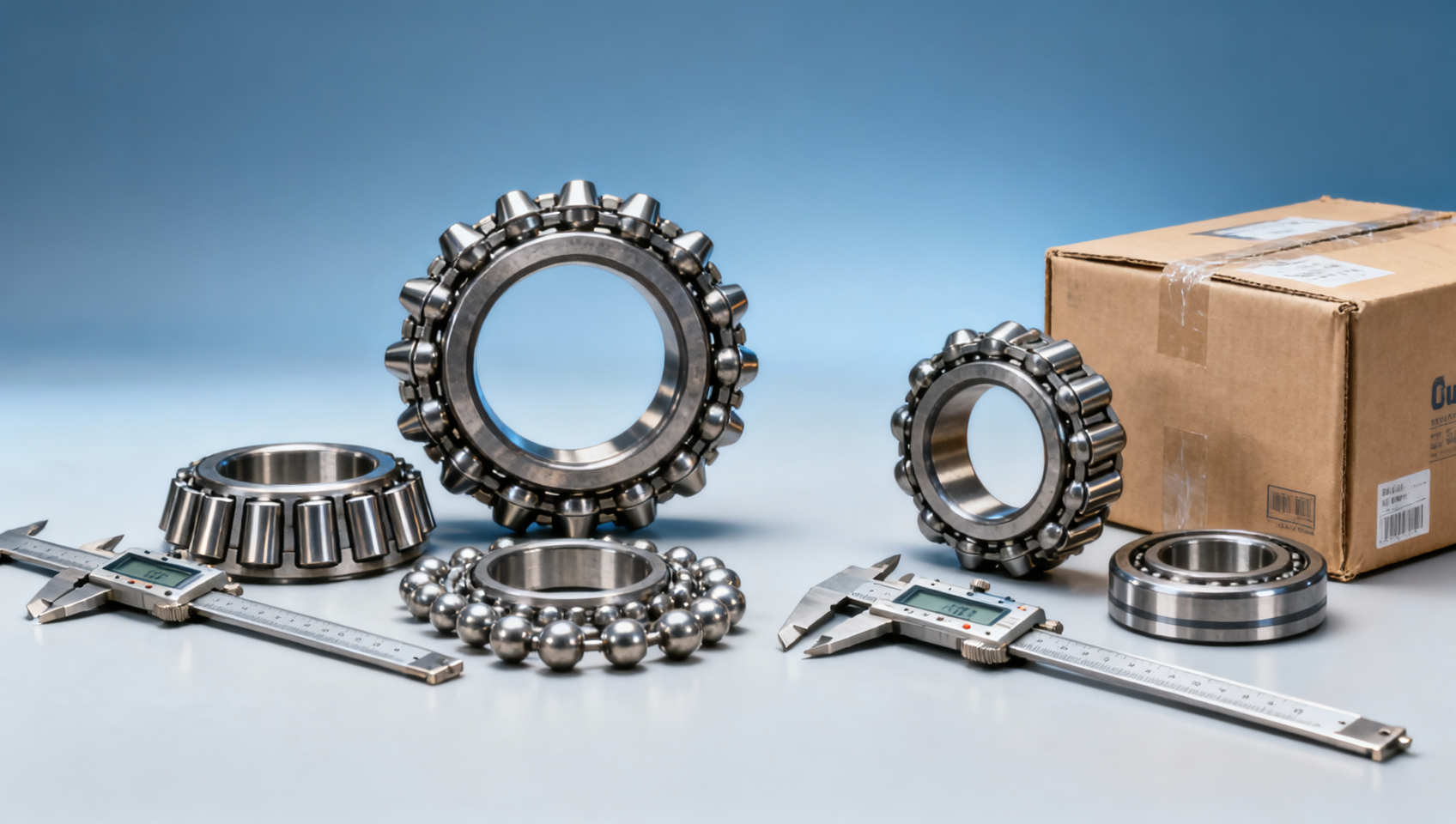
Check whether inspection includes dimensional checks, roundness, surface roughness, hardness testing, noise/vibration testing, and visual cleanliness review. For some applications, fatigue testing or metallographic analysis may also matter.
4. Certification and quality systems
ISO-based quality management is useful, but certification alone is not enough. Buyers should confirm whether the supplier has documented control plans, corrective action procedures, calibration discipline, and batch retention records.
5. Batch consistency history
Request evidence from repeated deliveries, not just a golden sample. Stable suppliers should be comfortable discussing rejection rates, complaint trends, and consistency over time.
6. Packaging and logistics discipline
Bearings can fail before installation if packaging is poor. Ask about anti-corrosion protection, sealed packaging, labeling accuracy, moisture barriers, and warehouse conditions.
Key technical indicators that help predict bearing consistency
When evaluating needle roller bearings wholesale, buyers should focus on a manageable set of indicators that are actually useful in comparison and risk control.
- Dimensional tolerance: Inner and outer diameter accuracy, width tolerance, and roller size uniformity.
- Hardness consistency: Stable hardness range and proper heat treatment depth.
- Surface finish: Better control can improve wear behavior and reduce friction.
- Radial clearance or fit-related stability: Important for installation and operational performance.
- Vibration and noise behavior: Often relevant for high-speed or precision applications.
- Cleanliness: Contamination can shorten life significantly, especially in demanding environments.
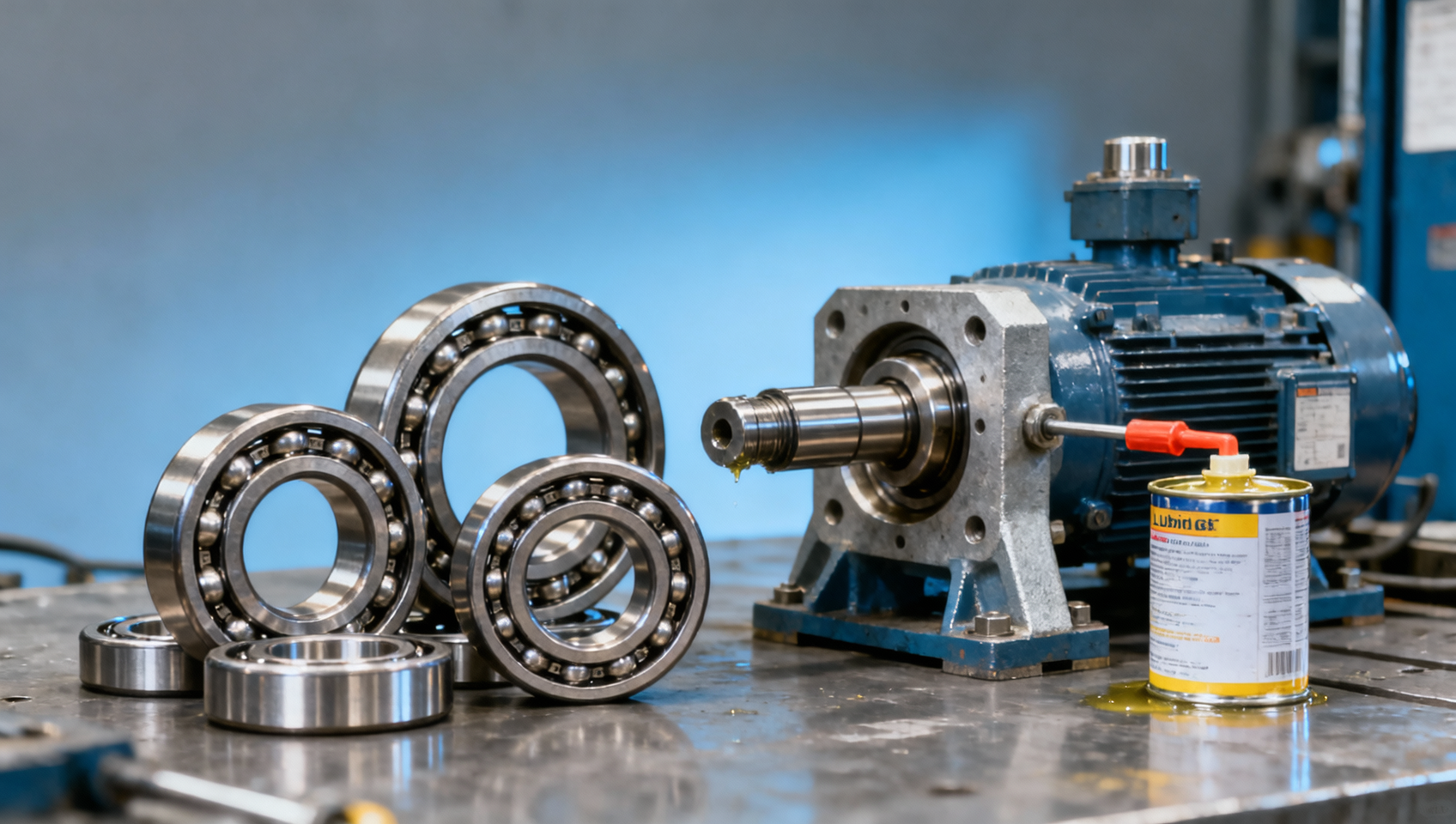
- Lubrication condition: Type, amount, and application consistency matter when pre-lubricated bearings are supplied.
These metrics also apply, with some variation, when comparing angular contact ball bearings, cylindrical roller bearings, slewing ring bearings, and tapered roller bearings wholesale. The exact priority depends on load pattern, speed, alignment sensitivity, contamination exposure, and maintenance strategy.
Practical questions to ask before placing a large wholesale order
To reduce sourcing risk, buyers should ask direct, verifiable questions:
- Can you provide lot traceability for each shipment?
- Which production stages are performed in-house, and which are outsourced?
- What inspection items are recorded for every batch?
- How do you manage process changes that may affect product consistency?
- What is your corrective action process if a batch issue is identified in the field?
- Can you supply reference data from repeat orders in similar industrial applications?
- How are bearings packaged to prevent corrosion and contamination during export transit?
- Are tolerance classes and performance claims aligned with recognized international standards?
These questions help separate trading-only offers from suppliers with genuine manufacturing and quality control capability.
How to build a sourcing process that protects uptime and commercial value
For larger organizations, the best defense against quality drift is a sourcing process that combines engineering review with procurement discipline.
- Define application risk clearly: Identify load, speed, environment, duty cycle, contamination level, and failure consequences.
- Set measurable acceptance criteria: Do not rely only on broad catalogue descriptions.
- Approve suppliers in stages: Sample approval, pilot order, then scaled purchase.
- Audit consistency, not just quality: Compare results across multiple lots.
- Track field performance: Connect installation feedback, maintenance records, and supplier batches.
- Use total cost analysis: Include downtime, replacement labor, warranty claims, and inventory risk.
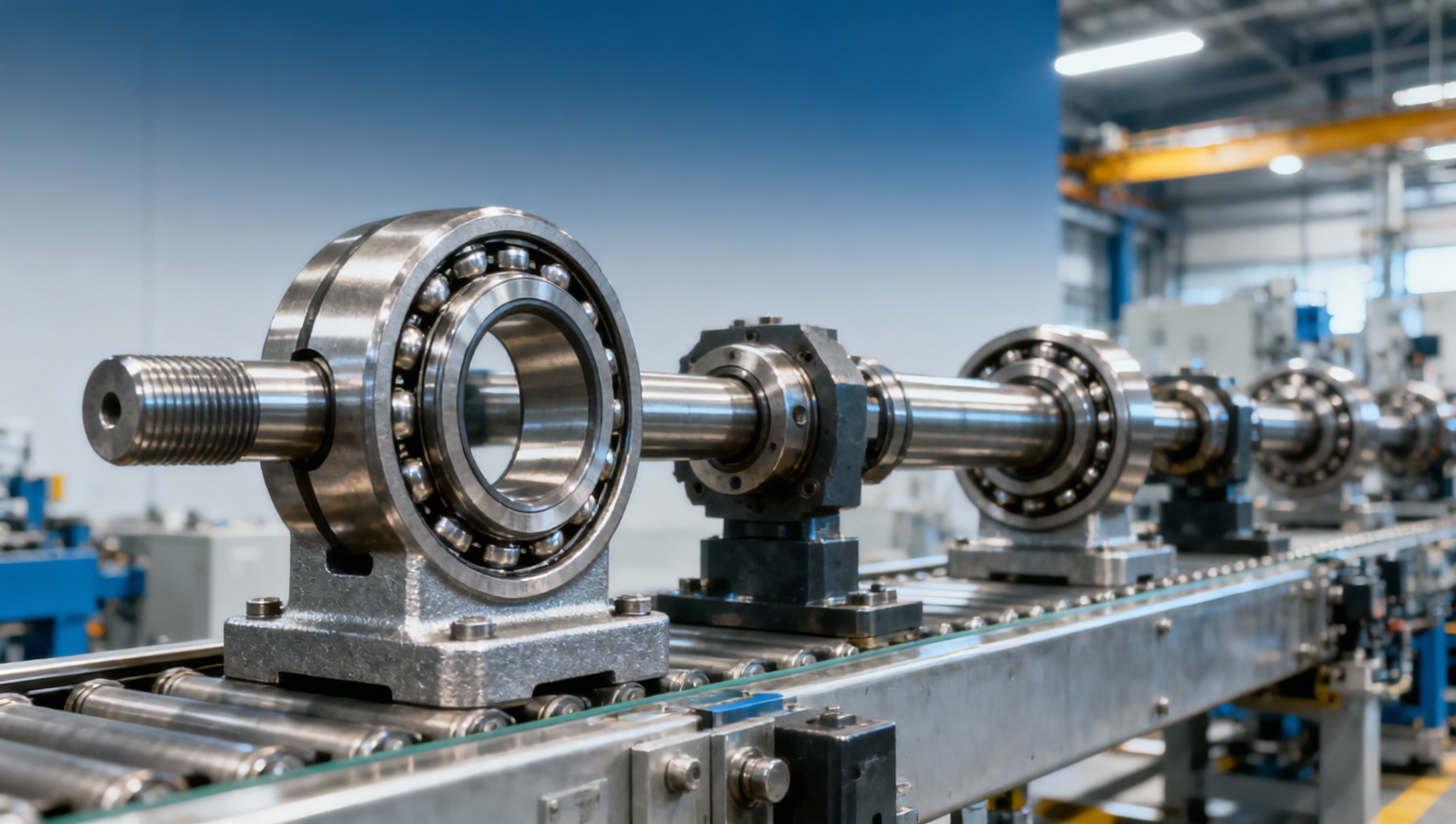
This approach is especially important where bearings support critical conveyors, gearboxes, motors, pumps, handling equipment, heavy rotating assemblies, or precision-driven machinery. In these environments, the cost of one inconsistent batch can outweigh the savings of a cheaper quote.
Red flags that often indicate future bearing quality problems
Experienced buyers often see warning signs before formal failure data appears. Common red flags include:
- Supplier avoids sharing traceability or inspection records
- Specifications are copied broadly without application-specific clarity
- Pricing is unusually low with no transparent explanation
- Sample quality is excellent, but repeat-order data is unavailable
- Packaging quality changes between shipments
- Lead times vary without process explanation
- Complaint handling is slow or focused only on replacement, not root cause
These signs do not always confirm a problem, but they justify closer scrutiny before committing to long-term wholesale volume.
Final takeaway for buyers sourcing needle roller bearings wholesale
For industrial buyers, the real question is not whether a supplier can deliver bearings that meet specification once. It is whether that supplier can deliver the same standard repeatedly, across lots, timelines, and operating demands. When sourcing needle roller bearings wholesale, avoiding quality drift requires a disciplined review of traceability, process control, inspection depth, packaging, and consistency history.
The most reliable purchasing decisions come from balancing price with repeatable performance. Buyers who evaluate suppliers through that lens are better positioned to protect uptime, reduce maintenance disruption, support compliance goals, and improve long-term equipment value. In wholesale bearing procurement, consistency is not a bonus feature; it is the foundation of trust.
Technical Specifications
Expert Insights

Chief Security Architect
Dr. Thorne specializes in the intersection of structural engineering and digital resilience. He has advised three G7 governments on industrial infrastructure security.
Related Analysis
- Apr 23, 2026Deep Groove Ball Bearings Noise Often Starts with InstallationAuthor :Heavy Industry Strategist
- Apr 23, 2026Tapered Roller Bearings Wholesale: Where Price Gaps Come FromAuthor :Heavy Industry Strategist
- Apr 23, 2026Cylindrical Roller Bearings and Heat Build-Up Under LoadAuthor :Heavy Industry Strategist
Core Sector // 01
Security & Safety
- Deep Groove Ball Bearings Noise Often Starts with InstallationAuthor :Heavy Industry Strategist

- Tapered Roller Bearings Wholesale: Where Price Gaps Come FromAuthor :Heavy Industry Strategist

- Cylindrical Roller Bearings and Heat Build-Up Under LoadAuthor :Heavy Industry Strategist

- Pillow Block Bearings UCP Size Mismatch Causes More DowntimeAuthor :Heavy Industry Strategist

- Thrust Ball Bearings vs Radial Loads: Where Problems StartAuthor :Heavy Industry Strategist

- When Angular Contact Ball Bearings Are the Wrong ChoiceAuthor :Heavy Industry Strategist

- Needle Roller Bearings Wholesale Without Quality DriftAuthor :Heavy Industry Strategist

- Rod End Bearings Wholesale: What Changes at Higher Volumes?Author :Heavy Industry Strategist