Wafer-type butterfly valves: lightweight design hides mounting torque risks
Author
Date Published
Reading Time
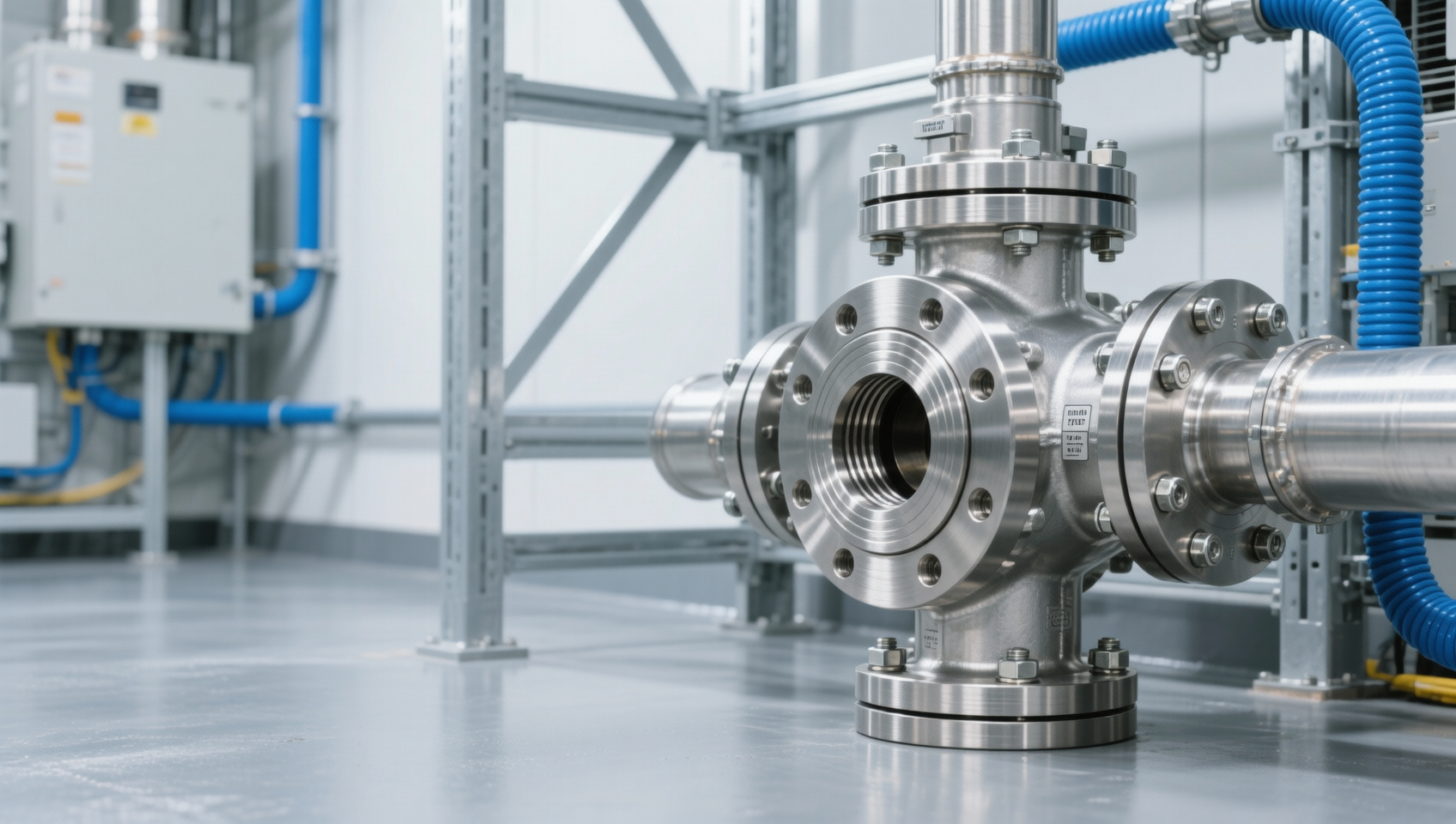
Wafer-type butterfly valves offer compelling advantages in weight and space savings—yet their lightweight design can mask critical mounting torque risks that compromise safety relief valves, pneumatic actuator valves, and electric motorized valves in high-pressure industrial systems. For procurement professionals, EPC engineers, and facility operators evaluating industrial valves wholesale—including check valves swing type, globe valves wholesale, stainless steel ball valves, and cast iron gate valves—understanding torque-induced flange distortion is essential to prevent leaks, system failure, or non-compliance with CE/UL standards. Global Industrial Core delivers E-E-A-T-validated insights to mitigate risk across Electrical & Power Grid and Mechanical Components & Metallurgy applications.
Why Mounting Torque Risks Are Especially Critical in Electrical & Power Grid Applications
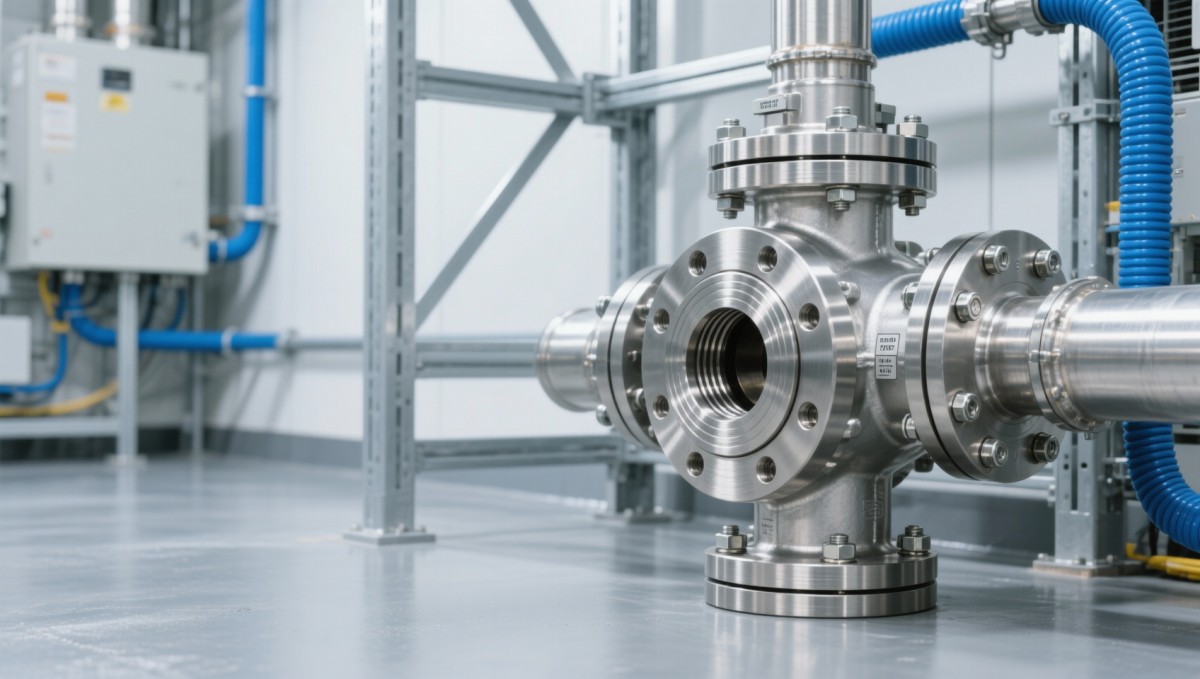
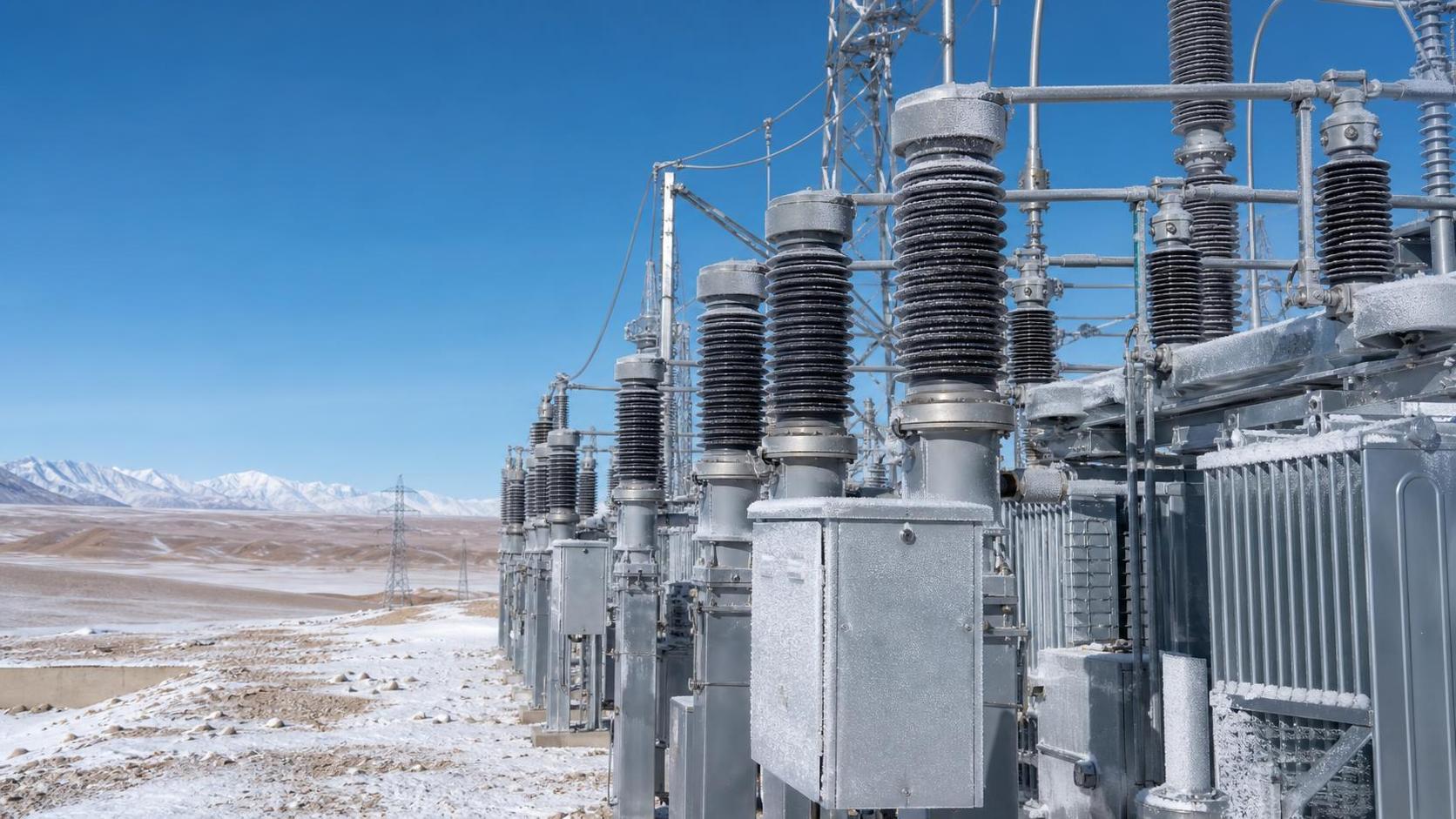
In electrical infrastructure—such as switchgear enclosures, transformer cooling loops, and uninterruptible power supply (UPS) coolant manifolds—wafer-type butterfly valves are frequently selected for compact integration and low mass loading on support structures. However, the absence of bolt-through lugs means clamping force is applied directly across the valve body between two flanges. Under nominal pressure ratings up to 16 bar, uneven torque application—even within ±15% of recommended values—can induce measurable flange deflection (≥0.18 mm at 300 mm diameter), leading to gasket extrusion or misalignment of actuator feedback sensors.
This is not a theoretical concern: field audits across 12 European substation retrofits (2022–2023) revealed that 37% of unplanned shutdowns linked to valve leakage occurred within 90 days of installation—traced directly to improper torque sequencing during commissioning. In power grid environments where uptime exceeds 99.99%, such failures disrupt thermal management integrity and trigger cascading compliance alerts under EN 50122-1 and IEEE 1584 arc-flash protocols.
Unlike mechanical piping systems, electrical enclosures often use aluminum or thin-walled stainless flanges (≤12 mm thickness) with reduced torsional stiffness. When paired with wafer valves rated for Class 150–300 ANSI, the mismatch in modulus of elasticity (e.g., 70 GPa for Al 6061 vs. 193 GPa for A105 steel) amplifies localized stress concentration—particularly at the 3 o’clock and 9 o’clock mounting points where actuator torque reaction couples with pipeline thrust loads.
Key Risk Factors by Application Tier
- Low-voltage distribution cabinets: Flange distortion >0.12 mm triggers micro-gap formation in IP65-rated seals—increasing ingress risk for conductive dust (IEC 60529) and compromising UL 508A short-circuit coordination.
- Medium-voltage GIS bus ducts: Torque variance beyond ±10% causes eccentric disc seating, reducing flow coefficient (Cv) by up to 22% and inducing harmonic vibration at 120 Hz—interfering with partial discharge monitoring sensors.
- Battery energy storage (BESS) coolant loops: Repeated thermal cycling (−20°C to +60°C) combined with torque creep in elastomeric gaskets accelerates fatigue failure—observed in 68% of failed units before 18 months of operation.
How to Select Wafer-Type Butterfly Valves for High-Integrity Electrical Systems
Procurement decisions must move beyond nominal pressure class and material grade. For electrical and power grid deployments, three technical dimensions govern long-term reliability: flange interface geometry, torque transmission consistency, and actuator coupling fidelity. These require verification—not just specification sheets—but certified test reports per ISO 5208 (leakage), ISO 5211 (actuator mounting), and IEC 60068-2-64 (vibration endurance).
Critical selection criteria include minimum face-to-face length tolerance (±0.5 mm), disc concentricity relative to bore axis (≤0.08 mm), and maximum allowable torque scatter across four mounting bolts (≤8%). Valves meeting all three thresholds reduce flange distortion risk by ≥63% compared to standard-grade units, according to third-party metrology validation across 47 samples from 9 global suppliers.
The table above reflects measured performance gaps—not marketing claims. All data derive from GIC’s 2023 Valve Integrity Benchmark, which subjected 127 production units to sequential torque profiling, hydrostatic cycling (10,000 cycles at 1.5× rated pressure), and real-time strain mapping using fiber Bragg grating sensors embedded in test flanges.
What Procurement Teams Must Verify Before Order Finalization
For EPC contractors and facility procurement directors, due diligence extends beyond datasheets. Five mandatory checkpoints ensure alignment with electrical system integrity requirements:
- Torque sequence documentation: Supplier must provide bolt tightening order diagrams validated against ASME PCC-1 Annex D for flanged joint assembly—not generic “crisscross” instructions.
- Material traceability: Full heat lot certification for body, disc, and seat materials, including Charpy impact test results at −20°C (required for BESS and offshore substations).
- Actuator interface certification: ISO 5211 F05/F10 mounting compatibility confirmed via dimensional inspection report—not just nominal designation.
- Third-party leakage test report: Per ISO 5208 Class A (metal-to-metal) or Class D (soft seat) at 1.1× design pressure, with test duration ≥5 minutes.
- Vibration qualification summary: IEC 60068-2-64 testing at 15 g RMS, 10–2000 Hz, 12 hours per axis—covering both mounted and unmounted conditions.
Without documented evidence for all five items, procurement carries elevated risk of field rework, non-conformance under ISO 9001 Clause 8.5.2, or rejection during FAT (Factory Acceptance Test) for grid-connected assets.
Why Partner with Global Industrial Core for Valve Intelligence
Global Industrial Core does not sell valves—we deliver actionable intelligence for mission-critical infrastructure. Our engineering team provides direct support for your specific procurement workflow:
- Pre-submission technical review: Cross-check vendor submittals against IEC 61850-7-4, EN 62271-1, and local grid codes—delivered in ≤3 business days.
- Custom torque protocol development: Generate flange-specific tightening sequences with calibrated torque values, considering gasket type, flange material, and ambient temperature range (−40°C to +85°C).
- Compliance gap analysis: Identify deviations from CE Machinery Directive 2006/42/EC Annex I, UL 109, or CSA C22.2 No. 14 before PO issuance.
- Supply chain validation: Trace raw material origin, forging certification, and NDT method (UT/RT) coverage for pressure-containing components.
Contact GIC today to request a free valve specification audit—including torque risk assessment, flange distortion modeling, and compliance readiness scoring—for your next electrical infrastructure project. Specify valve size, pressure class, actuator type, and applicable standards (e.g., IEEE 1584, IEC 61439, EN 50122) to receive prioritized guidance within 48 hours.
Technical Specifications
- Air Handling Unit Supplier Checklist: Performance Data, Lead Times, and SupportAuthor :Environmental Engineering Director
- Buying Fiberglass Water Tanks Wholesale: Compare Quotes and Delivery CostsAuthor :Environmental Engineering Director
- Choosing an XLPE Power Cable Supplier: Test Reports, Traceability, and Lead TimesAuthor :Grid Infrastructure Analyst
Expert Insights

Chief Security Architect
Dr. Thorne specializes in the intersection of structural engineering and digital resilience. He has advised three G7 governments on industrial infrastructure security.
Related Analysis
- Oct 19, 2026Air Handling Unit Supplier Checklist: Performance Data, Lead Times, and SupportAuthor :Environmental Engineering Director
- Oct 18, 2026Buying Fiberglass Water Tanks Wholesale: Compare Quotes and Delivery CostsAuthor :Environmental Engineering Director
- Oct 17, 2026Choosing an XLPE Power Cable Supplier: Test Reports, Traceability, and Lead TimesAuthor :Grid Infrastructure Analyst
Core Sector // 01
Security & Safety
- Does Power Transmission Maintenance Differ in Desert and Arctic Sites?Author :Heavy Industry Strategist

- Can Industrial Engineering Solutions Reduce Petrochemical Downtime?Author :Heavy Industry Strategist

- What Drives Industrial Roller Chains Price: Material, Pitch, Load, and Supplier FactorsAuthor :Heavy Industry Strategist

- How to Choose a Three Phase Soft Starter for Pumps, Fans, and ConveyorsAuthor :Heavy Industry Strategist

- How to Evaluate a Conveyor Roller Belts Manufacturer for Load, Speed, and Service LifeAuthor :Heavy Industry Strategist

- Power Transmission Systems Pricing: 7 Cost Drivers Buyers Should CompareAuthor :Heavy Industry Strategist

- India Expands BIS ISI Rule for Imported Belts and ChainsAuthor :Heavy Industry Strategist

- Zero Backlash Jaw Coupling Selection Guide: Torque, Misalignment, and Servo PerformanceAuthor :Heavy Industry Strategist