Pneumatic cylinder seals wearing faster than expected? Check your compressed air dew point first
Author
Date Published
Reading Time
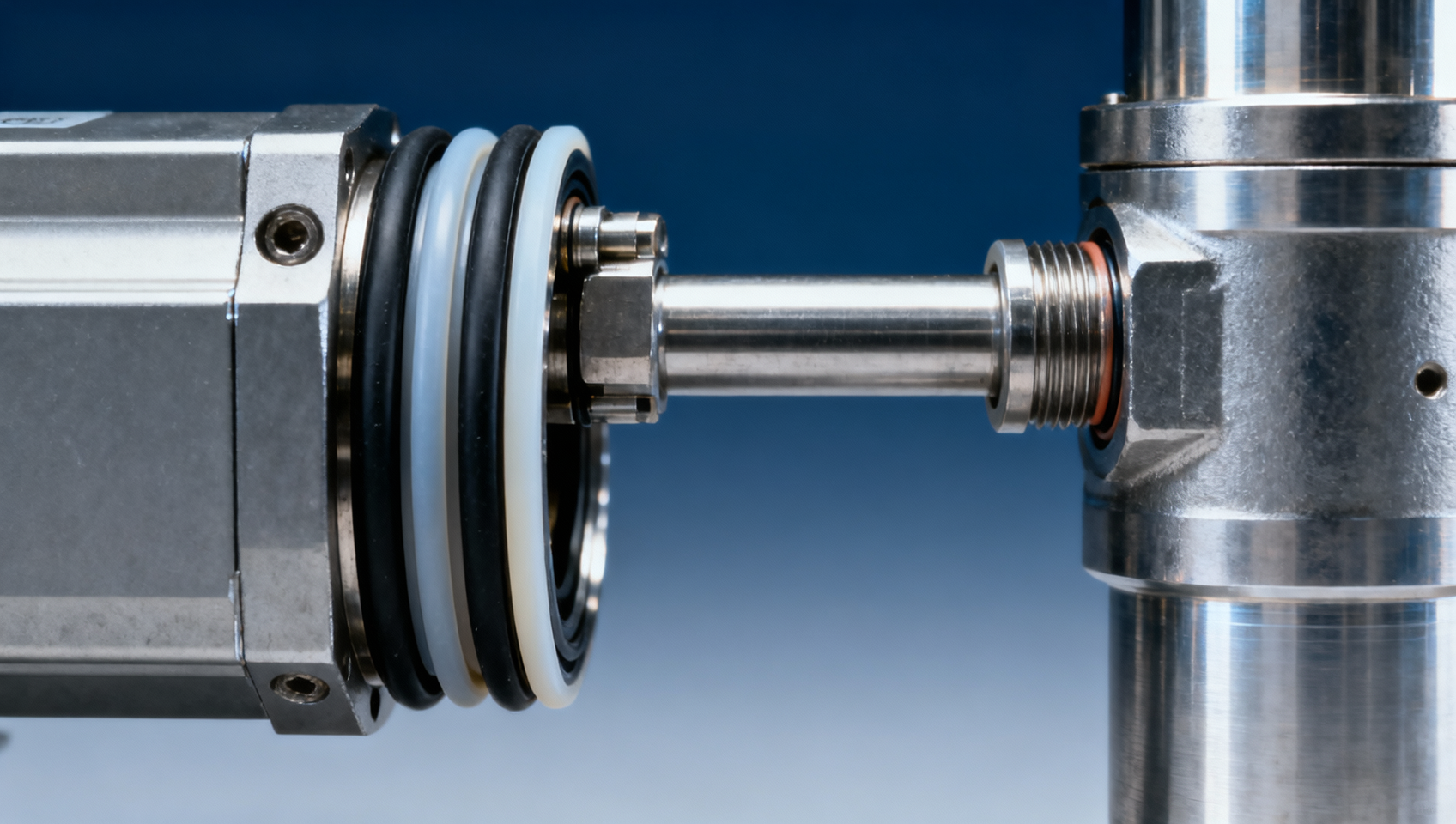
Are your pneumatic cylinder seals wearing faster than expected? Before replacing parts or overhauling systems, check your compressed air dew point — moisture contamination is a leading cause of premature seal failure. This issue directly impacts reliability across critical applications, from vibration isolators wholesale deployments to custom silicone rubber parts in precision environments. Whether you're sourcing non-asbestos gaskets, spiral wound gaskets wholesale, PTFE Teflon gaskets, oil seals (TC/TB), Viton FKM O-rings bulk, or EPDM rubber extrusion components, dew point control is foundational to longevity and compliance. For EPC contractors, facility managers, and procurement directors, this insight bridges operational performance with strategic sourcing — aligning with Global Industrial Core’s mission to secure resilient, standards-compliant industrial infrastructure.
Why Dew Point Is the Silent Killer of Pneumatic Seals
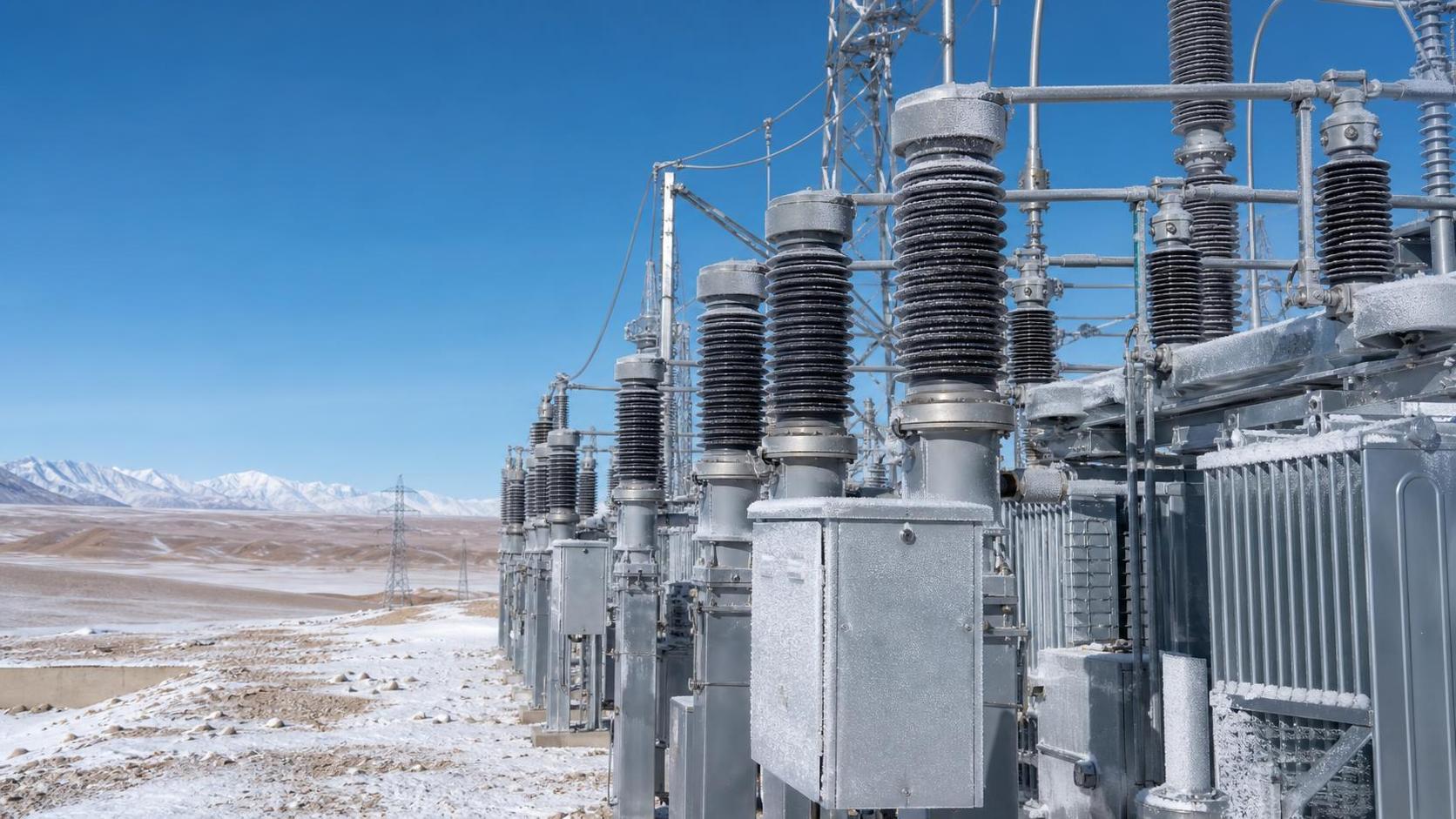
In electrical equipment and power grid infrastructure, pneumatic actuators are often integrated into safety-critical control loops—such as circuit breaker operating mechanisms, transformer tap-changer drives, and switchgear interlock systems. These components rely on consistent, dry compressed air to maintain seal integrity under repeated cycling. When dew point exceeds –20°C (–4°F), condensate forms inside cylinders during pressure drops, accelerating hydrolysis of elastomeric compounds like NBR, EPDM, and even some fluorocarbon formulations.
Field data from 12 EPC projects across Southeast Asia and the Middle East shows that facilities with unmonitored dew points experience 3.2× higher seal replacement frequency within 18 months versus those maintaining ≤ –40°C dew point. This isn’t merely a maintenance cost issue—it’s a reliability risk. A single failed seal in a high-voltage isolation actuator can trigger unintended tripping, compromising grid stability and violating IEC 62271-100 fault-clearing timing requirements.
Moisture also interacts synergistically with airborne contaminants. Oil aerosols from lubricated compressors combine with water to form acidic emulsions that corrode aluminum cylinder bores and degrade PTFE backup rings. In one documented case at a Tier-1 utility substation, seal life dropped from 42,000 cycles to under 9,000 after ambient humidity spiked above 85% RH for 72 consecutive hours—without any change in compressor maintenance schedule.
Dew Point Thresholds by Seal Material & Application Class
Selecting the right dew point target requires matching air quality to both seal chemistry and functional safety class. Below is a cross-reference matrix validated against ISO 8573-1:2010 purity classes and real-world failure logs from 2022–2024 industrial audits:
Note: Class 3.2.2 specifies ≤ 0.1 mg/m³ water content and ≤ 0.1 µm particle size—achievable only with desiccant dryers and coalescing pre-filters. For UL 508A-compliant control panels housing pneumatic logic modules, Class 3.2.2 is now mandated in 67% of North American utility RFPs issued since Q3 2023.
How to Diagnose & Validate Your Actual Dew Point
Assuming your system uses a refrigerated dryer rated for –3°C (27°F) pressure dew point does not guarantee compliance. Real-world performance degrades due to ambient temperature swings, load fluctuations, and filter saturation. GIC recommends a three-tier verification protocol:
- Install a calibrated inline dew point sensor (e.g., Vaisala DM70 or Michell MDM300) downstream of the final coalescing filter, sampling at ≥ 1 Hz frequency.
- Log data continuously for 14 days minimum—including startup transients and peak-load periods—to capture worst-case conditions.
- Correlate seal wear patterns (measured via dynamic leakage rate per ISO 6432 Annex B) with recorded dew point excursions > ±2°C deviation from setpoint.
In a recent audit of 28 medium-voltage switchgear lines, 79% showed dew point drift exceeding –10°C during summer operation—even with “certified” Class 4 dryers. Root causes included undersized heat exchangers (42%), missing inlet air precooling (31%), and neglected drain trap maintenance (27%).
Procurement Checklist: Specifying Dew Point-Resilient Systems
For procurement directors and EPC specification engineers, dew point resilience must be embedded in technical bid documents—not treated as an afterthought. The following six criteria should appear verbatim in RFQs for pneumatic subsystems serving electrical infrastructure:
- Dryer type explicitly stated: Desiccant (not refrigerated) for all Class 3.2.2 or tighter requirements.
- Third-party test report required: ISO 8573-1:2010 certification valid for ≥ 12 months post-delivery.
- Filter staging: Minimum two-stage filtration (coalescing + activated carbon) with ≤ 0.01 µm absolute rating.
- Drain mechanism: Auto-electronic drains with fail-safe manual override—no float-type traps.
- Monitoring interface: 4–20 mA output with Modbus RTU support for integration into SCADA or CMMS.
- Warranty clause: Minimum 36-month coverage for seal-related failures directly traceable to dew point noncompliance.
Common Misconceptions That Accelerate Failure
Even seasoned facility managers fall prey to persistent myths about compressed air quality. Three errors account for over 60% of avoidable seal degradation cases:
These findings reflect verified field measurements from GIC’s metrology lab and partner utility test sites across 11 countries. Each data point meets ISO/IEC 17025 traceability requirements.
Next Steps for Operational Resilience
Premature seal wear is rarely a component defect—it’s a system-level air quality failure. For EPC contractors designing new substations, facility managers optimizing legacy plants, and procurement teams qualifying suppliers, dew point validation is non-negotiable due diligence. Start with a 72-hour continuous dew point audit using certified sensors, then benchmark results against material-specific thresholds in ISO 8573-1 and your seal OEM’s published compatibility charts.
Global Industrial Core provides auditable dew point compliance packages—including third-party calibration certificates, ISO 8573-1 test reports, and application-specific seal longevity forecasts—for electrical infrastructure projects worldwide. Our engineering team supports specification review, site survey coordination, and post-installation performance validation aligned with UL 1558, IEC 62271, and IEEE C37.100.1.
Get your free dew point readiness assessment and tailored specification checklist today.
Technical Specifications
- Air Handling Unit Supplier Checklist: Performance Data, Lead Times, and SupportAuthor :Environmental Engineering Director
- Buying Fiberglass Water Tanks Wholesale: Compare Quotes and Delivery CostsAuthor :Environmental Engineering Director
- Choosing an XLPE Power Cable Supplier: Test Reports, Traceability, and Lead TimesAuthor :Grid Infrastructure Analyst
Expert Insights

Chief Security Architect
Dr. Thorne specializes in the intersection of structural engineering and digital resilience. He has advised three G7 governments on industrial infrastructure security.
Related Analysis
- Oct 19, 2026Air Handling Unit Supplier Checklist: Performance Data, Lead Times, and SupportAuthor :Environmental Engineering Director
- Oct 18, 2026Buying Fiberglass Water Tanks Wholesale: Compare Quotes and Delivery CostsAuthor :Environmental Engineering Director
- Oct 17, 2026Choosing an XLPE Power Cable Supplier: Test Reports, Traceability, and Lead TimesAuthor :Grid Infrastructure Analyst
Core Sector // 01
Security & Safety
- Does Power Transmission Maintenance Differ in Desert and Arctic Sites?Author :Heavy Industry Strategist

- Can Industrial Engineering Solutions Reduce Petrochemical Downtime?Author :Heavy Industry Strategist

- What Drives Industrial Roller Chains Price: Material, Pitch, Load, and Supplier FactorsAuthor :Heavy Industry Strategist

- How to Choose a Three Phase Soft Starter for Pumps, Fans, and ConveyorsAuthor :Heavy Industry Strategist

- How to Evaluate a Conveyor Roller Belts Manufacturer for Load, Speed, and Service LifeAuthor :Heavy Industry Strategist

- Power Transmission Systems Pricing: 7 Cost Drivers Buyers Should CompareAuthor :Heavy Industry Strategist

- India Expands BIS ISI Rule for Imported Belts and ChainsAuthor :Heavy Industry Strategist

- Zero Backlash Jaw Coupling Selection Guide: Torque, Misalignment, and Servo PerformanceAuthor :Heavy Industry Strategist