Spill containment pallets: sump capacity is not the whole story
Author
Date Published
Reading Time
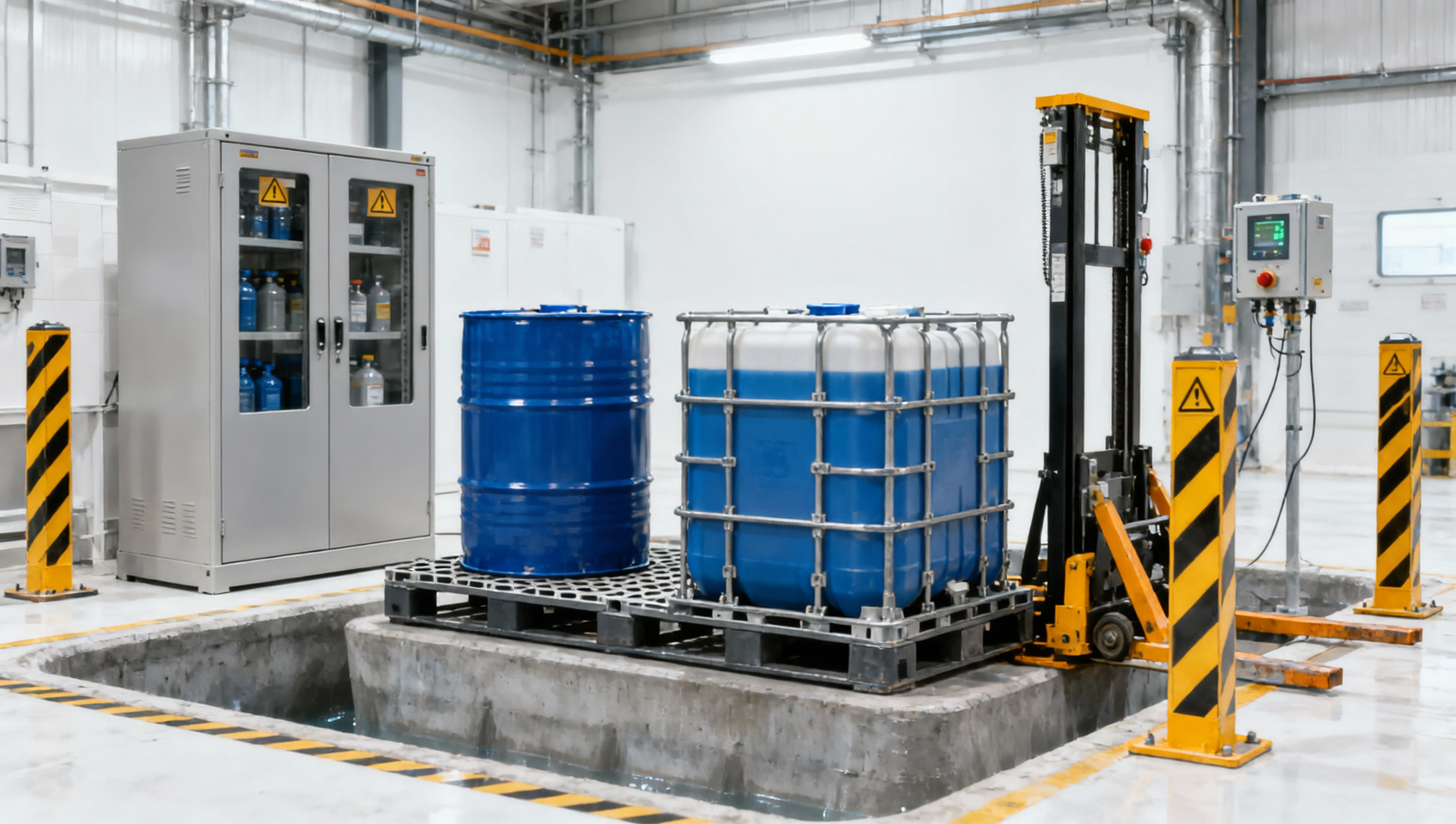
When evaluating spill containment pallets, sump capacity is only one part of the compliance and risk equation. For buyers, operators, and safety managers, real performance also depends on chemical compatibility, load rating, durability, and integration with hazmat storage cabinets, portable gas monitors, gas leak detectors wholesale solutions, and safety signs wholesale programs. This guide explains what truly matters when selecting spill containment pallets for safer, more resilient industrial operations.
Why sump capacity alone can mislead industrial buyers
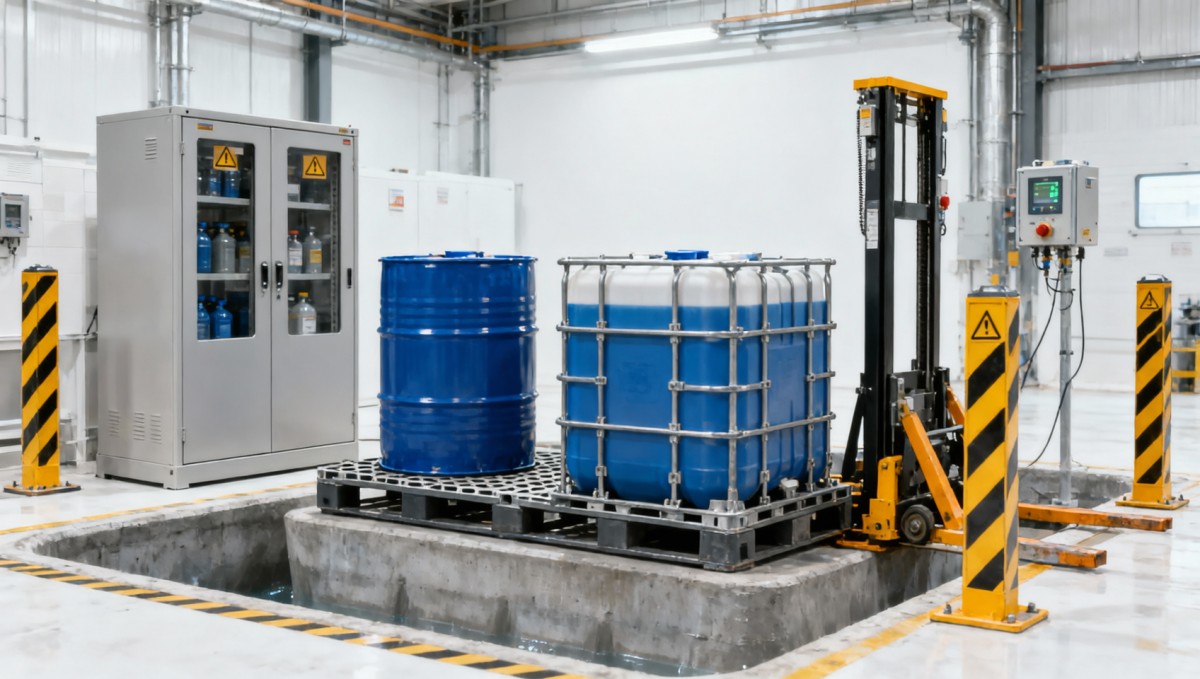
In many procurement conversations, the first number people ask for is sump capacity. That makes sense, because secondary containment regulations often require a pallet to hold the volume of the largest container or a defined percentage of the total stored liquid. Yet in practice, a compliant volume on paper does not guarantee safe use on the floor. A spill containment pallet can still fail the operation if it bows under load, degrades under chemical exposure, or disrupts handling routes for forklifts and drums.
For operators, the problem shows up quickly. A pallet may technically hold 2, 4, or 8 drums, but if the grating is difficult to remove for cleaning, if visual inspection is poor, or if the unit blocks routine transfer work, daily use becomes inconsistent. In heavy industry and mixed-use facilities, the risk is not only the spill itself. It is also delayed response, unsafe decanting, and poor coordination with nearby safety systems such as portable gas monitors and emergency signage.
For procurement teams, the better approach is to evaluate spill containment pallets across at least 5 dimensions: sump volume, static load, dynamic handling, chemical resistance, and maintenance practicality. In many projects, lead time also matters. A standard pallet may ship in 7–15 days, while custom dimensions or integrated dispensing platforms may require 2–4 weeks. If the project team reviews only containment volume, they may miss the factors that actually affect commissioning and long-term operating cost.
This is where structured sourcing adds value. Global Industrial Core supports EPC contractors, plant managers, and industrial buyers by comparing not just rated capacity, but the complete operating context: stored media, transfer frequency, traffic exposure, adjacent detection devices, cabinet interfaces, and compliance documentation. That wider view reduces the chance of buying a pallet that looks compliant in a catalog but underperforms in a live facility.
The 5 checks that matter before you compare models
- Confirm the container set: single drum, 2-drum, 4-drum, IBC, or mixed small-pack storage. The right footprint and access pattern differ significantly across these layouts.
- Review the stored substance family: oils, solvents, acids, alkalis, or mixed chemicals. Material compatibility often determines whether polyethylene or coated steel is more appropriate.
- Check the load profile: static storage versus frequent drum handling. Some units tolerate high stationary weight but are less suitable for repeated movement or uneven loading.
- Assess the operating environment: indoor, covered outdoor, washdown zone, UV exposure, or high-traffic bay. Durability requirements change quickly across these conditions.
- Map the surrounding safety controls: hazmat storage cabinets, gas leak detectors wholesale packages, eyewash points, and safety signs wholesale deployment plans should work as one system.
Which technical factors actually determine spill containment pallet performance?
A reliable spill containment pallet is a multi-parameter safety product. Sump capacity matters, but so do the conditions under which the unit stores, receives, and contains liquid. Buyers should therefore ask for a fuller technical profile. In most industrial sourcing reviews, the most useful parameter set includes 6 items: containment volume, uniform distributed load, point-load tolerance, pallet tare weight, grating type, and material compatibility notes. Without that combination, two pallets with similar sump ratings may behave very differently.
Material selection is usually the first fork in the road. Polyethylene spill containment pallets are commonly chosen for broad chemical resistance and corrosion resistance. Steel units may be selected for certain flammables management strategies or where structural rigidity is prioritized, but coating integrity and corrosion exposure must be reviewed carefully. If a site stores mixed media across 3 shifts, compatibility and maintenance often become more important than raw strength claims alone.
Load rating also deserves closer reading. A pallet used for 4 fully loaded drums in stationary storage may need one level of static capacity. A pallet that sees repeated loading by hand truck or drum truck may require a different safety margin. Some buyers use a simple internal rule: compare the expected working load, then leave a practical reserve rather than buying at the exact threshold. That reserve helps absorb uneven placement, partial impact, and routine operator variation over months or years.
Another overlooked issue is fluid recovery and cleaning. If a spill pallet is difficult to inspect, hard to pump out, or awkward to decontaminate, the real-life response time increases. In operations with weekly chemical handling or monthly audit checks, design details such as removable grates, drain options, and access for absorbents can significantly affect housekeeping discipline and incident response quality.
Core parameters worth comparing side by side
The table below summarizes the technical areas that most often influence the suitability of spill containment pallets in industrial storage, maintenance, and transfer zones.
The practical lesson is simple: a spill containment pallet should be reviewed as an operating asset, not a single-number compliance item. Buyers who compare at least these 4 technical dimensions usually make better long-term decisions than those who look only at sump volume.
Where integration with other safety products matters
In chemical stores, battery rooms, paint areas, and maintenance workshops, spill control rarely stands alone. The pallet often sits beside hazmat storage cabinets, drum funnels, absorbent kits, and atmosphere monitoring devices. If the area has vapor risk, portable gas monitors or fixed leak monitoring may influence spacing, access routes, and emergency response planning.
Signage is also not a minor detail. Safety signs wholesale programs are useful when facilities need consistent hazard communication across multiple rooms or buildings. The most effective layouts pair containment pallets with clear visual instructions on incompatible storage, PPE requirements, ignition control, and spill reporting steps. In fast-moving industrial environments, visible cues often improve compliance more effectively than a policy document alone.
How should procurement teams compare spill containment pallets for different use cases?
Procurement decisions become easier when the pallet is matched to the use case rather than treated as a universal platform. A maintenance workshop handling lubricants has different needs from a chemical dosing room, a warehouse storing flammable liquids, or an outdoor fueling point. In most sourcing projects, teams should classify the application into at least 4 scenarios before requesting quotations. That step prevents overbuying in low-risk areas and under-specifying in high-consequence zones.
The first scenario is routine drum storage with low transfer frequency. Here, the focus is usually stable load support, easy visual inspection, and compatibility with common oils or process liquids. The second scenario is active dispensing. This demands stronger attention to splash control, grate traction, working height, and access for pumps or funnels. The third is mixed hazardous storage, where segregation, compatibility, and labeling become critical. The fourth is mobile response or temporary staging, where lighter units or modular designs may be favored.
For enterprise decision-makers, comparing initial price alone can be misleading. A lower-cost pallet may require earlier replacement, more frequent cleaning labor, or extra accessories to support the same process. In projects with multi-site rollouts over 3–6 months, standardizing around a limited set of pallet types can reduce training complexity, spare parts confusion, and inspection inconsistency. Standardization often creates value beyond the pallet price itself.
Global Industrial Core helps buyers build this comparison logic into sourcing. Instead of asking vendors only for a unit quote, teams can request a structured submission: material recommendation, rated load, compatible container types, inspection guidance, estimated delivery window, and documentation for the relevant compliance context. That process improves quote quality and shortens the technical clarification cycle.
Scenario-based selection matrix
Use the following matrix to align spill containment pallet selection with actual industrial tasks, risk levels, and support products.
This matrix highlights a common sourcing truth: the best spill containment pallets are the ones that fit the workflow, not just the specification sheet. Matching the pallet to the scenario usually improves both safety compliance and total operating efficiency.
A practical 4-step procurement workflow
- Define the liquid inventory and container map, including the largest single container and the normal storage count.
- Review environmental conditions such as indoor or outdoor placement, traffic exposure, and cleaning method.
- Request technical confirmation on compatibility, load rating, and operational access before issuing the purchase order.
- Align the pallet with adjacent controls, including cabinets, detection devices, training signage, and spill response materials.
What compliance, inspection, and risk controls are commonly overlooked?
One frequent mistake is assuming that buying a spill containment pallet automatically closes the compliance gap. In reality, regulators, auditors, and internal HSE teams usually look at the whole control chain: the type of liquid, the storage arrangement, container condition, inspection records, and the response process if a release occurs. A pallet may be necessary, but it is rarely sufficient by itself.
Inspection routines should therefore be defined before deployment. In many facilities, a simple schedule works well: visual checks every week, housekeeping review every month, and a more formal condition review every quarter. The exact frequency depends on spill history, liquid hazard, traffic intensity, and climate exposure. Sites with continuous handling or corrosive liquids may need tighter intervals than low-activity storage rooms.
Another blind spot is compatibility drift. A pallet purchased for one chemical family may later be used for another because operations changed. That creates risk if the site does not update labels, storage rules, and compatibility reviews. This is especially relevant in shared maintenance areas where oils, cleaners, solvents, and treatment chemicals can accumulate over time. Clear signage and operator training are essential controls, not optional extras.
Decision-makers should also think about incident response time. If a release occurs near a cabinet, transfer pump, or enclosed area, operators may need to coordinate spill control with gas monitoring and evacuation procedures. Portable gas monitors are often relevant during cleanup where vapors may build up, while fixed detection and gas leak detectors wholesale programs may be part of broader facility hazard management in larger plants.
Common misconceptions that create avoidable risk
- “If the sump is large enough, the pallet is suitable.” This ignores chemical attack, deflection, and routine usability.
- “All polyethylene pallets handle all chemicals equally.” Compatibility still varies by substance, temperature range, and exposure duration.
- “Inspection can wait because the pallet is passive equipment.” Passive equipment still degrades and can be misused, overloaded, or contaminated.
- “Safety signs are secondary.” In shared industrial areas, poor labeling often causes the very misuse that defeats the containment strategy.
FAQ for researchers, operators, and buyers
How do I choose between a spill containment pallet and a hazmat storage cabinet?
They solve different parts of the risk problem. A spill containment pallet manages liquid release at floor level, while a hazmat storage cabinet focuses on controlled storage, segregation, and in some cases fire-related considerations depending on the cabinet type and applicable rules. In many sites, the right answer is not either-or. It is a coordinated setup where pallets, cabinets, ventilation logic, and signage work together.
Are spill containment pallets suitable for outdoor use?
They can be, but outdoor use requires extra review. Buyers should assess UV exposure, rainwater management, freeze-thaw conditions, and the possibility of contamination from debris. Outdoor installations often need stricter housekeeping and clearer drainage or cover strategies than indoor units. A model that performs well in a warehouse may require different protection in an exposed yard.
What should procurement request from suppliers during quotation?
At a minimum, ask for 6 items: pallet dimensions, sump capacity, load rating, material type, recommended chemical use range, and expected delivery window. For more complex projects, also request grate details, forklift access information, cleaning method guidance, and any available conformity or test documentation relevant to the application.
How long is a typical delivery cycle?
For standard configurations, industrial buyers often see lead times in the 7–15 day range, depending on quantity and region. Larger orders, nonstandard footprints, or integrated accessory packages can extend to 2–4 weeks. Because delivery timing varies with project complexity, it is wise to confirm schedule assumptions before final approval.
Why work with Global Industrial Core on spill containment pallet sourcing?
For industrial buyers, the challenge is rarely finding a spill containment pallet in the market. The challenge is confirming which option fits the process, the hazard profile, the compliance framework, and the delivery schedule without losing time in fragmented supplier discussions. Global Industrial Core helps bridge that gap by translating technical, operational, and procurement requirements into a clearer sourcing path.
Our advantage is the ability to connect spill containment decisions with the wider industrial safety ecosystem. That means the discussion can include hazmat storage cabinets, portable gas monitors, gas leak detectors wholesale requirements, safety signs wholesale coordination, and adjacent environmental protection controls. For EPC teams and facility managers, this integrated view is often more useful than reviewing isolated product data in separate channels.
If you are evaluating spill containment pallets for a new project, plant upgrade, or multi-site standardization program, contact Global Industrial Core for support on 5 practical topics: parameter confirmation, application-based model selection, typical delivery windows, compatibility review, and certification or documentation alignment. We can also help structure supplier comparisons, shortlist suitable configurations, and identify where a standard pallet is enough versus where a customized solution is justified.
The most productive first step is to share your container type, stored media, required quantity, operating environment, and any linked safety products already specified. With that information, the sourcing discussion becomes faster, more precise, and more relevant to actual site risk. For buyers under time pressure, that clarity can save days in technical back-and-forth and reduce the chance of a costly mismatch after delivery.
Technical Specifications
- SCFI Surges 27% Weekly; Shanghai–Rotterdam Freight Hits $4,200/TEUAuthor :Environmental Engineering Director
- INMETRO New Rule: Industrial Circuit Breakers Must Pass IEC 60947-2 Annex Q Test from Sep 2026Author :Grid Infrastructure Analyst
- FDA Expands Regulation of Industrial Air Filters: ULPA Filter MVR Verification RequiredAuthor :Environmental Engineering Director
Expert Insights

Chief Security Architect
Dr. Thorne specializes in the intersection of structural engineering and digital resilience. He has advised three G7 governments on industrial infrastructure security.
Related Analysis
- Apr 26, 2026SCFI Surges 27% Weekly; Shanghai–Rotterdam Freight Hits $4,200/TEUAuthor :Environmental Engineering Director
- Apr 26, 2026INMETRO New Rule: Industrial Circuit Breakers Must Pass IEC 60947-2 Annex Q Test from Sep 2026Author :Grid Infrastructure Analyst
- Apr 26, 2026FDA Expands Regulation of Industrial Air Filters: ULPA Filter MVR Verification RequiredAuthor :Environmental Engineering Director
Core Sector // 01
Security & Safety
- RCEP ASEAN Mandates ISO 14067 Carbon Interface for Waste IncineratorsAuthor :Environmental Engineering Director
![]()
- RCEP Industrial Waste Equipment Mutual Recognition Takes EffectAuthor :Environmental Engineering Director
![]()
- Industrial sludge in environmental engineeringAuthor :Environmental Engineering Director

- RCEP Industrial Waste Equipment Mutual Recognition LaunchedAuthor :Environmental Engineering Director
![]()
- CIBF2026 Highlights Lithium Battery Recycling Equipment DemandAuthor :Environmental Engineering Director
![]()
- RCEP Industrial Waste Equipment Mutual Recognition LaunchesAuthor :Environmental Engineering Director
![]()
- RCEP Launches Industrial Waste Equipment Mutual RecognitionAuthor :Environmental Engineering Director
![]()
- How to choose an organic fertilizer machine for wet raw materialsAuthor :Environmental Engineering Director