Loading dock bumpers wear out early for one common reason
Author
Date Published
Reading Time
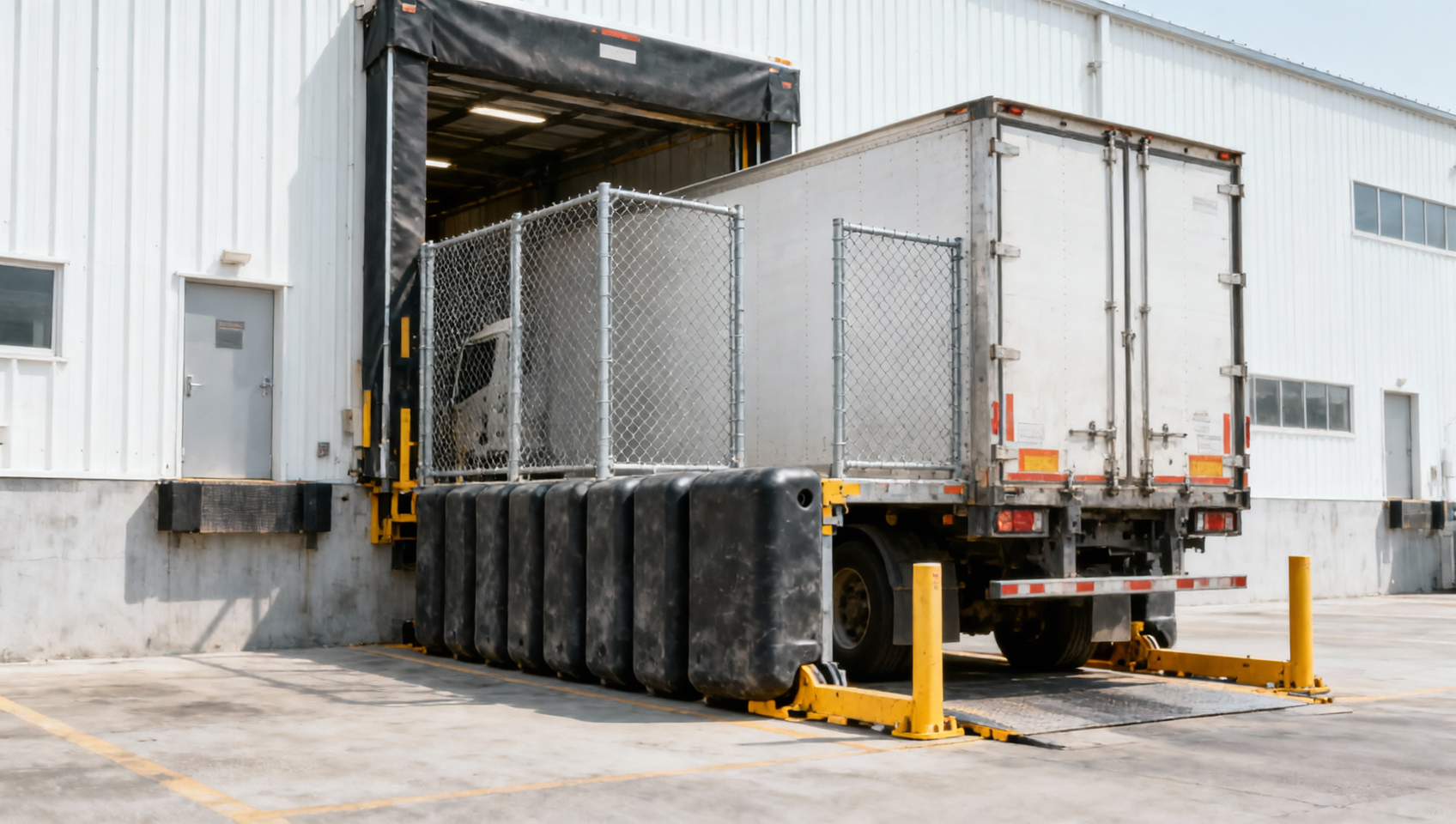
Loading dock bumpers often fail long before expected for one preventable reason: impact energy is mismatched to the dock’s real traffic conditions. When facilities rely on underspecified loading dock bumpers instead of pairing them with heavy duty corner guards, wheel chocks wholesale options, and wire mesh partitions where needed, wear accelerates fast. This article explains the root cause, what buyers overlook, and how operators and procurement teams can extend service life while improving dock safety.
Why do loading dock bumpers wear out early in real facilities?
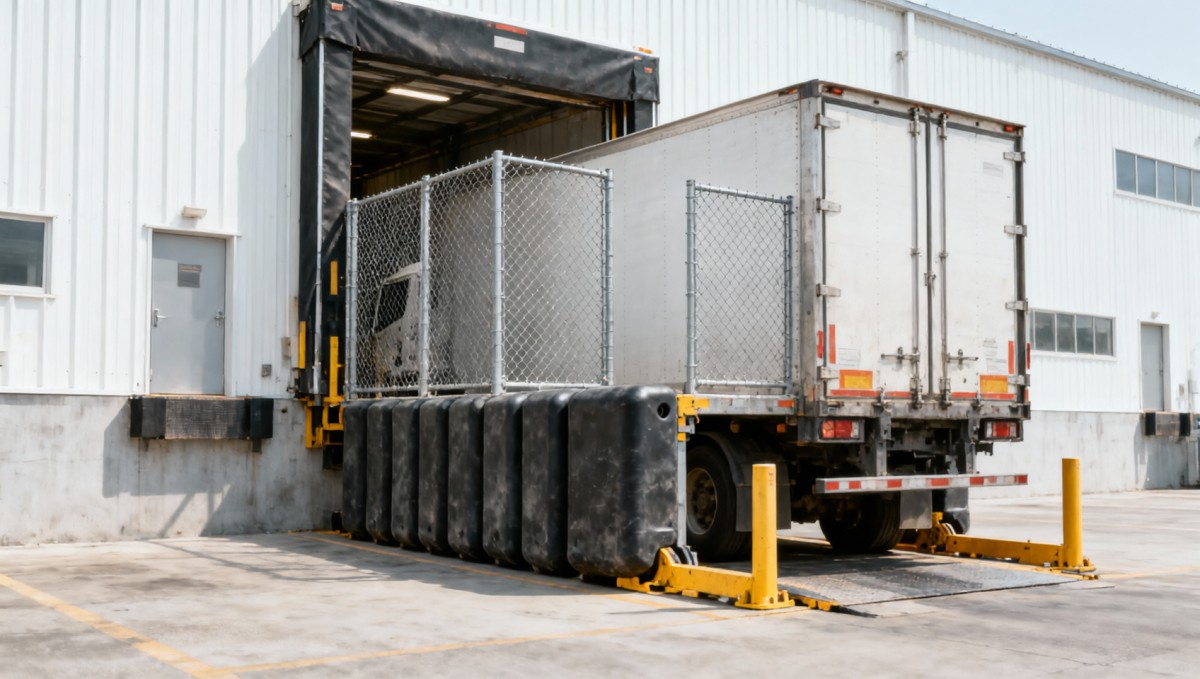
In most warehouses, distribution centers, and industrial yards, loading dock bumpers do not fail because rubber is inherently weak. They fail because the bumper specification does not match the actual trailer mix, approach speed, dock height, and impact frequency seen every day. A dock that handles 10 to 20 trailer contacts per shift needs a different protection strategy than a dock used only a few times per day.
This mismatch usually starts during initial procurement. Buyers may compare unit price, face size, or nominal thickness, but skip the more important question: how much repeated impact energy will the bumper absorb over 12 to 36 months? If the answer is unclear, premature cracking, bolt pull-through, mushrooming, and steel face damage become predictable rather than surprising.
Operators see the symptoms first. They notice black debris on the dock face, loose anchors, bent mounting plates, or bumpers compressed so deeply that trailer contact shifts to the wall edge. Once that happens, the problem is no longer just bumper wear. It becomes a building protection issue, a vehicle damage issue, and often a pedestrian safety issue within the loading zone.
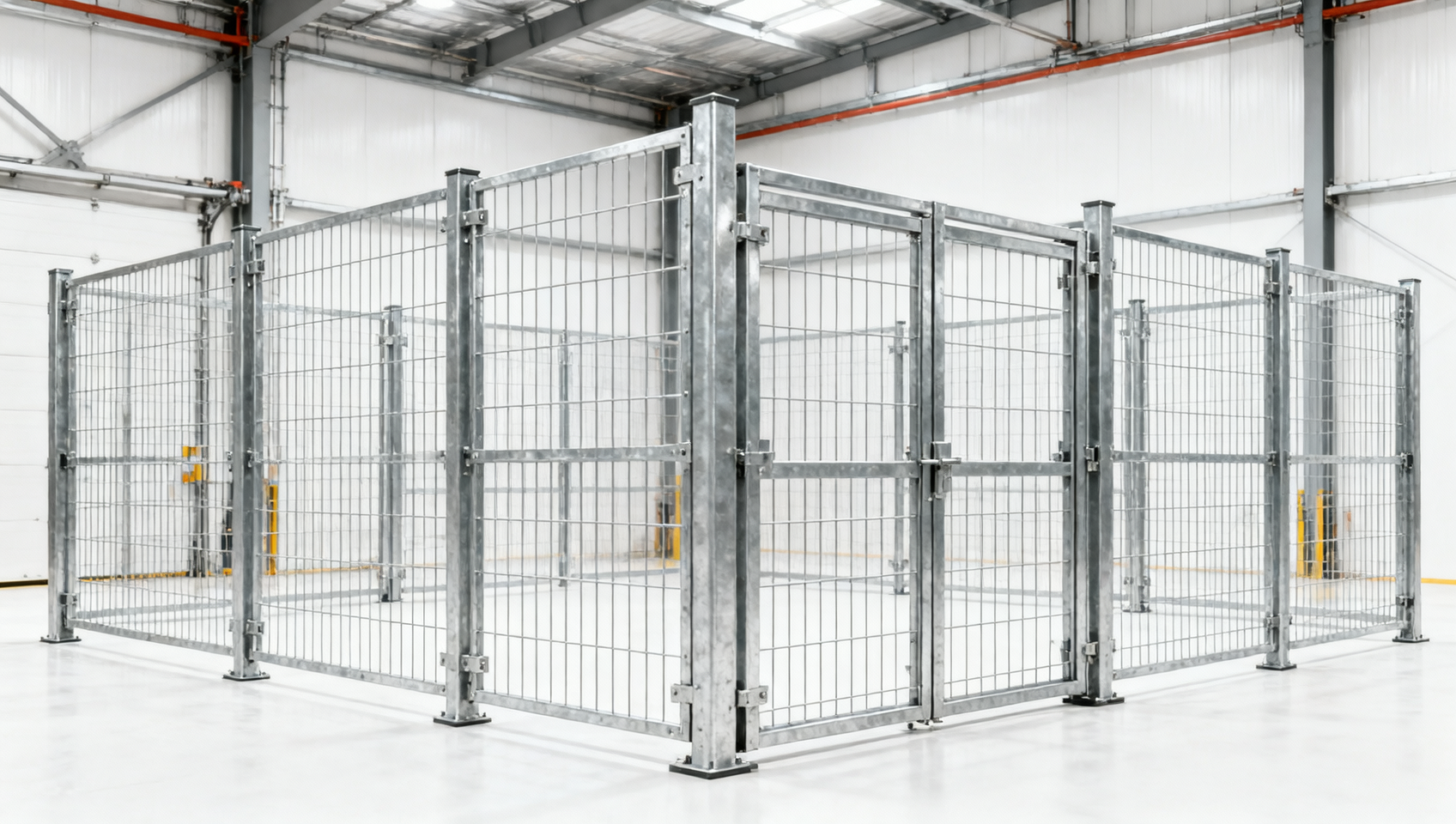
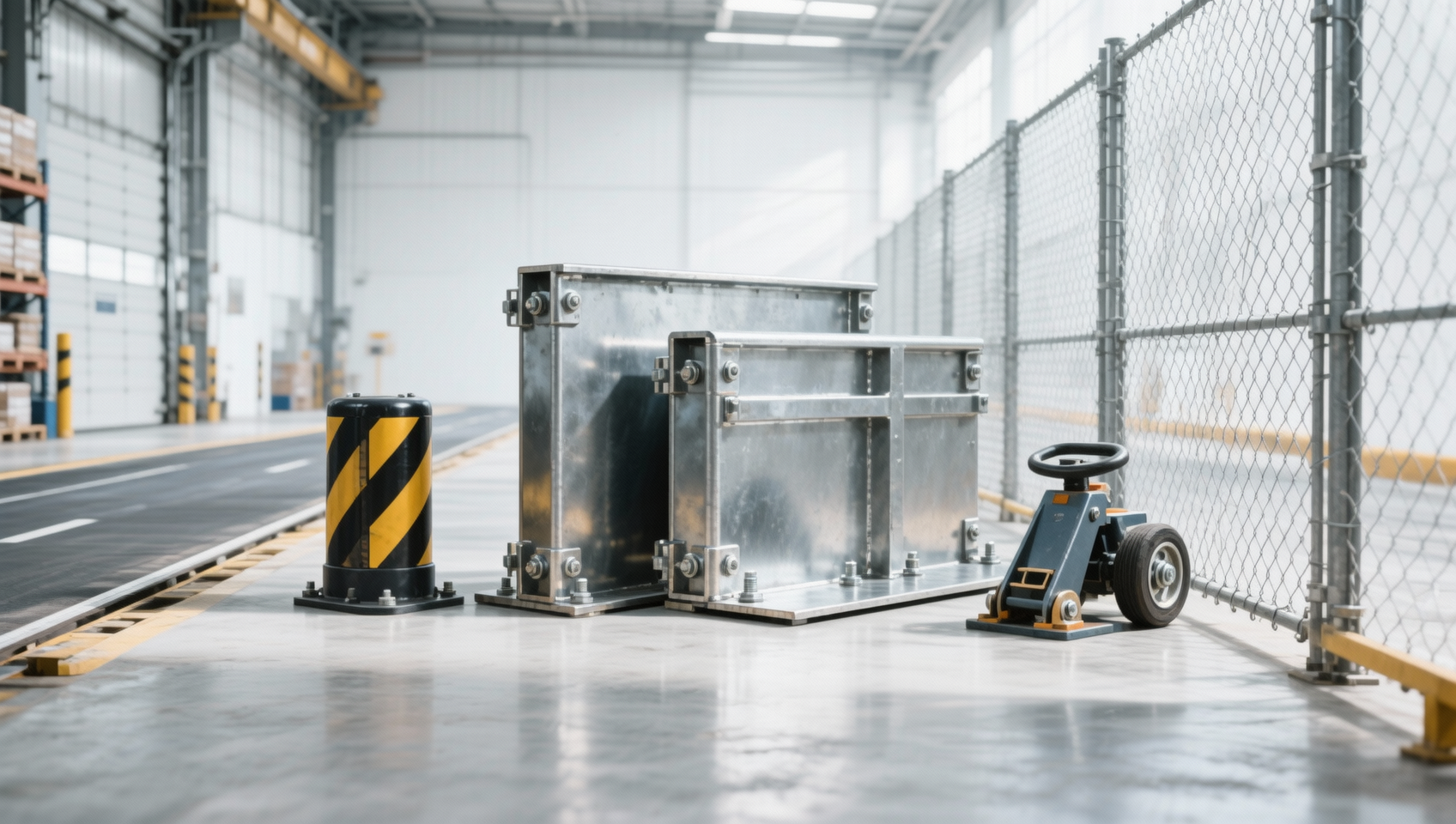
For procurement teams and facility managers, the key lesson is simple: loading dock bumpers are part of a dock protection system, not a standalone commodity. In higher-risk bays, their service life depends on coordinated use of heavy duty corner guards, wheel chocks wholesale programs for fleet control, and wire mesh partitions to separate traffic and personnel in adjacent working areas.
The most common mismatch behind early bumper failure
The most common error is choosing standard dock bumpers for heavy and inconsistent impact conditions. That includes mixed fleets, uneven approach angles, refrigerated trailers with different rear geometry, and older trucks that back aggressively. In those environments, a bumper rated for light or medium duty may look acceptable on paper but degrade in 3 to 9 months instead of the expected 18 to 24 months.
Another mismatch comes from installation geometry. If a dock leveler projects beyond the bumper face, or if the bumper projection is too short relative to the building edge, impact loads concentrate on a small zone. Repeated off-center hits generate tearing and bolt stress. This is why site measurement within a tolerance band such as ±5 mm to ±10 mm often matters more than choosing a thicker rubber block alone.
- High-contact bays receiving 20 to 40 trailer events per day need deeper analysis of impact frequency and contact angle.
- Sites with sloped aprons or uneven pavement should check whether trailers hit the top, center, or lower edge of the bumper first.
- Facilities with frequent staff movement near the dock should combine bumper upgrades with wheel chocks and physical separation measures.
What buyers and operators often overlook during dock protection planning
The first overlooked issue is traffic variability. Many sites do not have a single trailer type. They handle parcel vans, standard trailers, regional trucks, and outsourced carriers in the same week. That variation changes bumper contact points and compression behavior. A product that works on a dedicated fleet route may wear quickly in a multi-carrier operation with unpredictable backing practices.
The second issue is that loading dock bumpers are asked to compensate for problems they were never designed to solve. If vehicle restraint practices are weak, wheel chocks are missing or inconsistently used, and approach speed is not controlled, the bumper becomes the last line of defense. In that condition, even a well-made bumper will consume its service life too fast.
The third issue is side exposure. Corners, wall edges, and adjacent steel frames often receive side-swipe contact during poor trailer alignment. This is where heavy duty corner guards become important. When corner protection is absent, buyers may incorrectly blame the bumper alone for wear, while the actual damage pattern shows multiple impact paths across the dock face and side edges.
The fourth issue is pedestrian and asset separation. In repair bays, food facilities, and mixed logistics zones, wire mesh partitions help isolate forklift travel paths, battery areas, or maintenance zones near loading docks. They do not absorb vehicle impact like a bumper, but they reduce secondary incidents by controlling movement around active bays.
A practical comparison of common dock protection gaps
The table below shows how specific oversights shorten loading dock bumper life and where complementary products reduce risk. This comparison is especially useful for procurement reviews across 3 to 5 dock types in one facility portfolio.
The pattern is clear: premature bumper wear is rarely caused by one product defect in isolation. It usually reflects a system gap. Facilities that review all four elements together can often improve bumper life, reduce wall repairs, and lower unplanned maintenance over the next 2 to 4 quarters.
Checklist for site audits
- Record trailer types for 2 to 3 weeks rather than relying on a single day of observation.
- Measure actual impact height and horizontal contact position at each representative bay.
- Inspect anchor condition, wall edge damage, and leveler projection before replacement.
- Review whether wheel restraint and personnel separation are adequate for current traffic volume.
How to select loading dock bumpers for different traffic conditions
Selection should begin with operating conditions, not catalog photos. The most useful framework separates docks into light, medium, and heavy contact categories based on daily trailer events, trailer consistency, and impact severity. For example, a small service bay with fewer than 5 contacts per day has very different needs from a regional distribution dock with 25 or more contacts and mixed carriers.
Procurement teams should evaluate at least 5 factors: traffic frequency, vehicle type variation, approach speed, dock geometry, and adjacent asset exposure. If any two of these factors are high-risk, a standard bumper-only decision is usually too narrow. That is the point where heavy duty corner guards, wheel chocks wholesale supply planning, and selective barrier segregation should enter the specification package.
Material and mounting style also matter. Laminated rubber designs, molded options, and steel-faced configurations behave differently under repeated compression and shear. The correct choice depends on how the trailer meets the dock. Frequent straight-on contact may favor one design, while angled or offset impact may require another mounting arrangement to limit edge failure and hardware fatigue.
Lead time and replacement planning should be built into the decision. In many industrial sourcing cycles, common dock protection items can move within 7 to 15 days, while custom dimensions, special mounting plates, or larger project bundles may require 2 to 4 weeks. This matters when replacing multiple worn bays without interrupting inbound logistics.
Selection guide by use condition
The following table can support internal comparison across operating profiles, especially for facility managers balancing maintenance cost against risk exposure.
This table is not a substitute for site inspection, but it helps teams avoid the common trap of buying solely by price tier. In practical terms, paying more for an aligned specification is often less expensive than replacing low-duty bumpers two or three times in one year while also repairing concrete, steel, and dock hardware.
Key procurement questions before issuing an RFQ
- What is the real trailer contact frequency per bay per day, per week, and during peak season?
- Are impacts centered, offset, or frequently angled due to yard layout and driver behavior?
- Do wall edges and corners require separate heavy duty corner guards?
- Should wheel chocks wholesale sourcing be standardized across all sites for consistency and cost control?
- Are wire mesh partitions needed to reduce crossover exposure in nearby work zones?
Implementation, inspection, and common mistakes that shorten service life
Even a well-selected loading dock bumper can fail early if installation and inspection are weak. Mounting surfaces should be sound, hardware should match the substrate, and bumper projection should be verified against leveler position and wall geometry. If replacement happens on damaged concrete or distorted steel, new bumpers inherit old alignment problems immediately.
Inspection frequency should reflect traffic intensity. In light-duty bays, a monthly check may be enough. In medium to heavy traffic, every 2 to 4 weeks is more realistic, especially during seasonal peaks. Teams should look for crack propagation, anchor loosening, edge deformation, steel face wear, and evidence that the trailer is contacting outside the intended impact zone.
One common mistake is replacing the bumper with the same model without investigating failure mode. If the original issue was off-center impact, trailer creep, or wall-edge collision, repeating the same specification only repeats the failure cycle. A short root-cause review often takes less than one maintenance shift but can save repeated replacement cost over the next 6 to 12 months.
Another mistake is disconnecting safety products from operating behavior. Wheel chocks and restraints must be used consistently, not just stocked. Corner guards must be placed at actual strike points, not where they are visually convenient. Wire mesh partitions must reflect real forklift and personnel paths. System performance improves when equipment placement follows traffic mapping rather than habit.
Typical implementation flow for multi-bay facilities
- Survey 3 to 10 representative bays and record vehicle mix, impact location, and damage history.
- Group bays by similar conditions rather than specifying one bumper type for every opening.
- Confirm whether auxiliary controls such as corner guards, wheel chocks, or partitions are needed.
- Install, document baseline condition, and review performance after the first 30 to 90 days.
FAQ for research, operations, and procurement teams
How long should loading dock bumpers last?
There is no universal service life because loading conditions vary widely. In lower-contact applications, bumpers may remain serviceable for 18 to 36 months or longer. In harsher conditions with frequent heavy impacts, wear may become significant in less than 12 months. The deciding factors are impact severity, traffic frequency, alignment, and whether the bumper is part of a broader dock protection plan.
Are thicker bumpers always better?
Not always. Greater thickness can help in some conditions, but it does not solve poor geometry, wrong contact height, or side-swipe impact. If the projection is wrong relative to the leveler and wall edge, a thicker bumper may still fail in the wrong area. Selection should focus on duty match and impact path, not one dimension alone.
When should heavy duty corner guards be added?
Add them when wall edges, columns, or dock corners show scrape marks, chipped concrete, bent steel, or repeated side contact. They are especially valuable in mixed-fleet sites and tight yards where drivers approach at inconsistent angles. They protect areas that loading dock bumpers cannot cover effectively.
Why consider wheel chocks wholesale procurement instead of ad hoc ordering?
Wholesale procurement supports standardization across facilities. That improves training consistency, replenishment planning, and cost control. It also reduces the risk that one site uses inadequate restraints while another site follows stronger practice. In multi-site operations, standardization can be more valuable than the unit price difference alone.
Where do wire mesh partitions fit into dock safety?
Wire mesh partitions are useful when active docks sit close to maintenance benches, battery charging zones, inventory staging areas, or pedestrian routes. They do not replace bumpers, but they reduce secondary exposure by separating people and assets from movement around the dock face. In busy industrial settings, that separation is often part of a practical risk-control package.
Why work with Global Industrial Core on dock protection decisions
Global Industrial Core supports industrial buyers who cannot afford simplistic purchasing decisions in high-consequence environments. For dock protection, that means helping teams connect loading dock bumpers with the wider realities of safety, maintenance, material performance, and facility traffic. Instead of treating the issue as a single replacement item, GIC helps frame it as an operational reliability decision.
This matters for EPC contractors, facility managers, procurement directors, and technical reviewers who must balance budget, lead time, and compliance expectations. A structured review can clarify whether the project requires only bumper replacement or a broader package including heavy duty corner guards, wheel chocks wholesale planning, wire mesh partitions, and installation checks across multiple bays.
If you are comparing suppliers or preparing an RFQ, the most useful next step is to validate 6 core inputs: dock layout, trailer mix, contact frequency, impact geometry, existing damage pattern, and required delivery window. With those details, discussions become faster, specifications become clearer, and the risk of underbuying drops significantly.
Contact GIC if you need support with parameter confirmation, product selection, multi-bay specification review, delivery cycle planning, custom protection combinations, certification-related questions, sample coordination, or quotation alignment for industrial dock safety projects. A better decision usually starts with a more complete site picture, not just a lower line-item price.
Technical Specifications
Expert Insights

Chief Security Architect
Dr. Thorne specializes in the intersection of structural engineering and digital resilience. He has advised three G7 governments on industrial infrastructure security.
Related Analysis
- Apr 14, 2026How accurate is a true RMS multimeter on VFD signals?Author :Precision Metrology Expert
- Apr 14, 2026When a digital oscilloscope wholesale quote looks cheap at firstAuthor :Precision Metrology Expert
- Apr 14, 2026What changes when an ozone generator goes commercial gradeAuthor :Environmental Engineering Director
Core Sector // 01
Security & Safety
- Wire mesh partitions for warehouses: fixed panels or modular?Author :Heavy Industry Strategist

- Heavy duty corner guards often fail at the mounting pointsAuthor :Heavy Industry Strategist

- Loading dock bumpers wear out early for one common reasonAuthor :Heavy Industry Strategist

- Shanghai International Hydrogen-Ammonia-Methanol Expo Opens, Highlighting Middle East Green Hydrogen ProjectsAuthor :Heavy Industry Strategist

- Aluminum extrusion profiles oxidize differently at cut ends — does post-cut anodizing affect structural integrity?Author :Heavy Industry Strategist

- Seamless stainless steel tubes bend unexpectedly during installation — is wall thickness tolerance the culprit?Author :Heavy Industry Strategist

- Welded steel pipes wholesale orders often arrive with mismatched mill test reports — why verification mattersAuthor :Heavy Industry Strategist

- Galvanized steel coils develop white rust in humid storage — can packaging alone prevent it?Author :Heavy Industry Strategist