Heavy duty corner guards often fail at the mounting points
Author
Date Published
Reading Time

When heavy duty corner guards fail at the mounting points, the result is more than surface damage—it can disrupt loading areas, compromise safety, and increase maintenance costs. For buyers, operators, and facility planners comparing heavy duty corner guards, loading dock bumpers, wheel chocks wholesale options, and wire mesh partitions, understanding why mounting failures happen is essential to selecting longer-lasting protection for demanding industrial environments.
Why do heavy duty corner guards fail at the mounting points?

In industrial facilities, corner guards are expected to absorb repeated impacts from pallet jacks, forklifts, carts, roll cages, and dock equipment. Yet the most common failure point is not always the visible face of the guard. It is often the mounting zone, where fasteners, anchors, backing surfaces, and installation methods determine whether the protection system lasts 6 months or several service cycles.
Mounting-point failure usually comes from force concentration. A corner guard may be made from steel, rubber, HDPE, or composite material, but if impact energy transfers into only 2–4 anchor points, repeated strikes can loosen bolts, crack masonry, enlarge holes, or deform the base plate. In loading bays with daily contact frequency above 20–50 minor impacts, weak mounting design becomes a maintenance issue very quickly.
Another root cause is mismatch between product and substrate. Installing a heavy duty corner guard designed for reinforced concrete onto hollow block, thin sheet cladding, or damaged wall edges creates a predictable failure path. The guard itself may still look robust, but the surrounding structure cannot hold impact loads over time. This is why mounting integrity should be evaluated as a system, not as a single accessory purchase.
For procurement teams, this matters because recurring mounting failures create hidden cost layers: unplanned labor, anchor replacement, repainting, local shutdowns, and injury exposure. For operators, the issue is practical. A loose guard can become a snag point or simply stop protecting the corner it was meant to defend. For decision-makers, repeated failure signals poor life-cycle value, even if the initial unit price looked attractive.
The 5 most common technical causes
- Underspecified anchors or bolts that are suitable for light traffic but not for repeated forklift-side contact or dock-side collisions.
- Insufficient embedment depth, especially when anchors are installed into brittle concrete edges or uneven masonry with limited pull-out resistance.
- Poor load distribution because the guard uses too few fixing points or a narrow mounting footprint for a high-impact area.
- Corrosion, moisture ingress, or chemical exposure in washdown, food, marine, or outdoor environments, leading to fastener weakening over 12–24 months.
- Improper installation torque, misalignment, or omission of backing plates, all of which reduce the system’s ability to absorb impact energy.
A reliable evaluation should therefore consider impact frequency, vehicle type, corner geometry, substrate condition, and maintenance access. Global Industrial Core (GIC) focuses on these practical decision layers because the right guard is not only about material thickness; it is about how the entire protection assembly performs in real operational conditions.
Which environments put the greatest stress on mounting systems?
Not all corners fail for the same reason. In logistics warehouses, repeated glancing blows from forklifts typically cause progressive loosening. In manufacturing plants, metal carts and rigid handling frames create concentrated hits at lower height bands, often between 150 mm and 600 mm from floor level. In parking structures and service corridors, the issue may be vibration, wheel contact, and impact from changing traffic patterns rather than direct heavy collision.
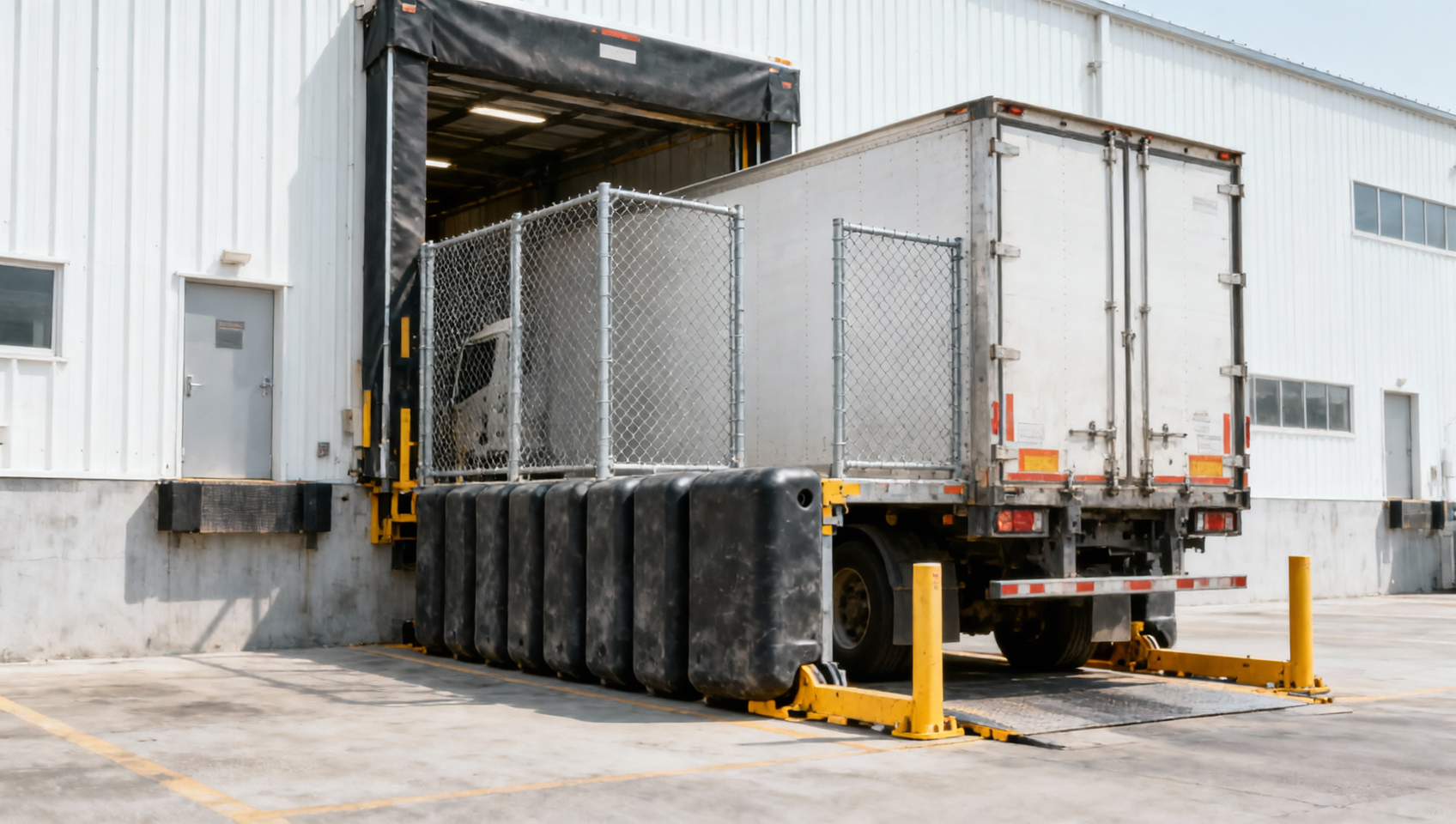
Loading docks are especially demanding because the corner guard may operate near loading dock bumpers, steel rails, wheel chocks, and door frames. These areas see multi-directional force: side scraping, reverse contact, and occasional direct strikes. If the mounting hardware is selected only for static hold and not for repeated dynamic impact, failure happens faster than many buyers expect.
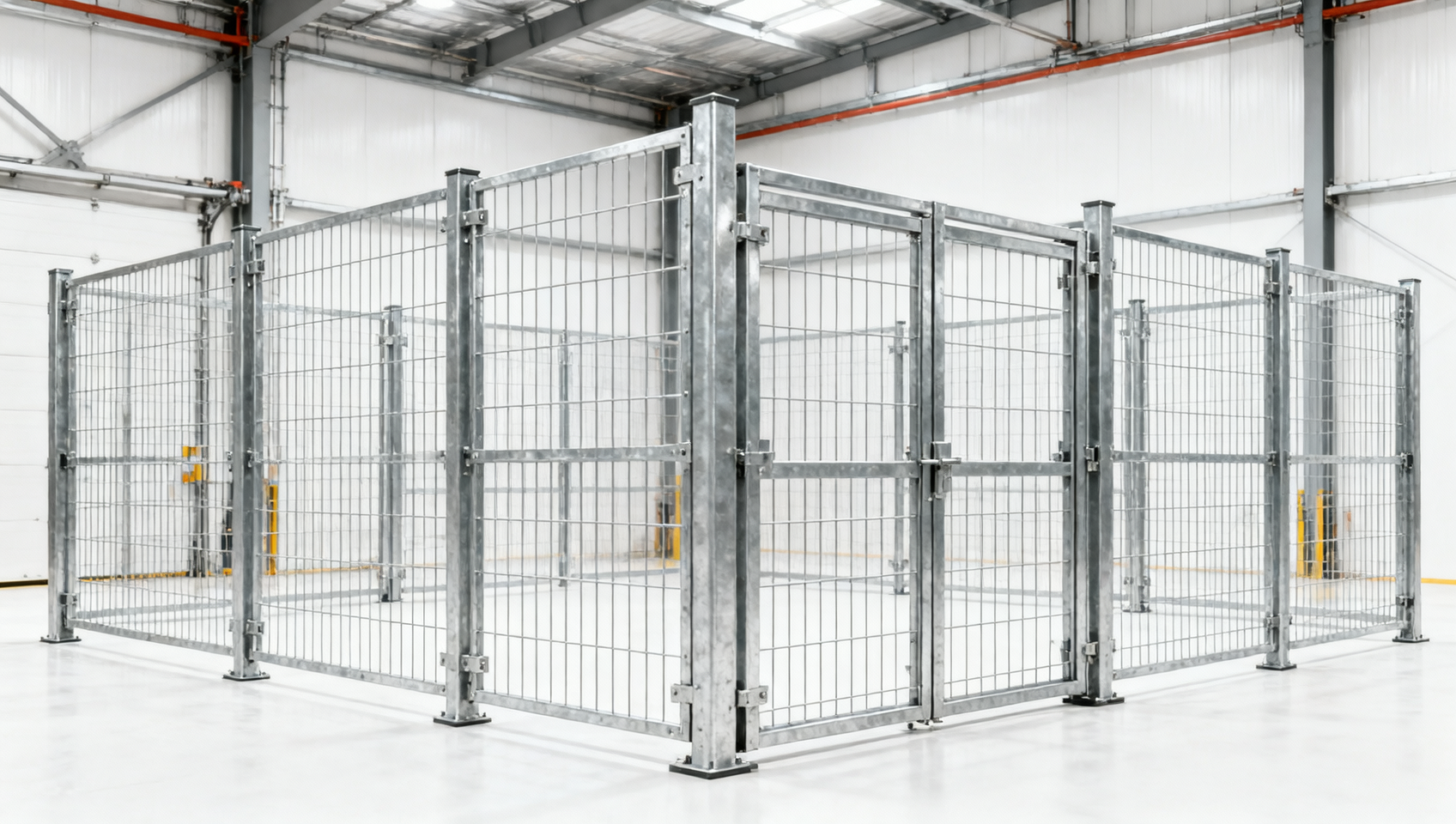
Facilities that also use wire mesh partitions, machine guarding, or segregated pedestrian zones need coordinated impact protection planning. A corner guard that breaks free can affect adjacent barriers, create unsafe clearances, or expose structural edges. This is one reason integrated industrial protection planning often delivers better results than buying isolated products by item code.
The table below compares common industrial scenarios where mounting-point failures occur and highlights what users should examine before purchase or replacement.
This comparison shows why a single “heavy duty” label is not enough. The same corner guard may perform well in a dry aisle and fail quickly in a dock or cold-room setting. Buyers should match mounting method to environment, not just product category.
Site conditions that often get overlooked
A surprising number of failures start before installation. Cracked slabs, patched walls, old expansion joints, hollow walls hidden behind cladding, or uneven corners can all reduce holding strength. If your site has undergone modifications within the last 2–3 years, a new physical check is worthwhile before ordering bulk quantities.
Traffic change is another overlooked factor. A facility that adds wider forklifts, heavier loads, or faster turn-around schedules may increase collision energy without updating corner protection. In these cases, the guard did not suddenly become poor quality; the operating environment changed beyond the original design assumption.
For multi-site organizations, standardizing one SKU across all buildings can also create problems. It simplifies purchasing, but if one site is concrete, another is steel-framed, and another includes insulated panels, the same mounting kit may not be appropriate across the portfolio.
How should buyers compare corner guards, dock bumpers, and adjacent protection products?
Industrial buyers rarely evaluate heavy duty corner guards in isolation. The real decision often involves adjacent products such as loading dock bumpers, wheel chocks wholesale packages, bollards, rub rails, and wire mesh partitions. The question is not only “Which product is strongest?” but “Which combination reduces impact risk at the lowest total operational cost over 12–36 months?”
Corner guards protect edges and wall transitions. Dock bumpers absorb trailer and vehicle contact. Wheel chocks control vehicle movement. Wire mesh partitions separate traffic and reduce intrusion into protected areas. When buyers confuse these roles, they sometimes expect a corner guard to solve an impact pattern that should have been reduced earlier in the traffic path.
The comparison below can help procurement teams decide whether the issue is a corner-guard upgrade, a mounting redesign, or a broader site protection package.
The practical lesson is clear: if mounting points keep failing, the answer may be stronger anchors, but it may also be upstream traffic control. A well-designed protection scheme often uses 3 layers: movement control, impact absorption, and edge protection.
A simple decision sequence for procurement teams
- Identify whether the impact is direct, glancing, repetitive, or occasional. This determines whether a corner guard alone is suitable.
- Check the substrate and anchor method before comparing material thickness. Mounting failure often costs more than face wear.
- Review nearby controls such as dock bumpers, wheel chocks, traffic markings, and partitions to reduce recurring force at the corner.
- Estimate the replacement and inspection interval. In many industrial sites, quarterly inspection is more economical than reactive repair after failure.
This method supports both small-batch purchasing and multi-site tenders. It also improves communication between operations, maintenance, and sourcing teams, which often evaluate risk from different angles.
What should you check before specifying or ordering?
A good heavy duty corner guard specification should be based on the application, not a generic catalog label. Before ordering, buyers should confirm at least 6 practical points: guard material, mounting type, substrate condition, impact height, environmental exposure, and replacement access. Missing any one of these can lead to mounting-point failure even when the product itself appears well made.
For industrial procurement, the most useful approach is to treat selection as a combination of technical fit and service fit. Technical fit means the product and anchor system match the site. Service fit means lead time, installation support, documentation, and replacement logistics are realistic for your operating schedule, especially when shutdown windows are only 1–2 days.
The table below provides a practical selection checklist that can be used during RFQ review, site audit, or supplier comparison.
This checklist is especially useful when comparing suppliers that provide very different levels of detail. If a quotation covers material but not anchor method, installation substrate, or environment, the buyer still lacks enough information to assess long-term suitability.
Procurement questions worth asking suppliers
- Is the quoted mounting kit intended for concrete, masonry, steel, insulated panels, or mixed substrates?
- What installation tolerances should be respected at corners, edges, and floor transitions?
- Can the supplier support bulk orders, sample review, or staged delivery across 2–4 project phases?
- What maintenance checks are recommended after installation in high-impact zones?
- Are there related products, such as loading dock bumpers or wheel chocks wholesale programs, that could reduce the impact load reaching the corner guard?
At GIC, these questions are central because industrial sourcing decisions should not be reduced to unit price alone. A lower-cost guard that fails at the mount can become the more expensive option once labor, downtime, and safety exposure are included.
What standards, installation practices, and maintenance routines reduce failure risk?
For industrial protection products, compliance does not stop at the material certificate. Buyers should also consider whether the installation environment aligns with applicable site safety rules, building materials, and documented maintenance procedures. Depending on the project, organizations may review CE-related product documentation, internal site engineering requirements, or ISO-aligned facility management procedures for inspection and replacement control.
A practical risk-reduction plan usually has 3 stages. First, inspect the substrate and traffic pattern before purchase. Second, install with the correct fixing method and torque discipline. Third, monitor the system after commissioning, especially during the first 30–90 days when hidden alignment or anchor issues often appear. This staged approach is more effective than replacing failed guards one by one without addressing root cause.
Maintenance should be proportionate to exposure. In high-contact lanes, a monthly visual check and a quarterly hardware review are common operational practices. In lower-traffic zones, quarterly and semiannual checks may be enough. The key is consistency: loose fasteners, substrate cracking, and deformation around the mounting points should be documented before they become structural repair issues.
For large organizations, standard operating procedures should link corner guard inspection with dock equipment and traffic safety reviews. That means maintenance teams look at related assets together: loading dock bumpers, wheel chocks, floor markings, barrier rails, and mesh partitions. This creates a clearer picture of why repeated impacts happen and where preventive investment is justified.
Common misconceptions that lead to repeat failures
“Thicker material always means longer life”
Not necessarily. A thicker guard with poor anchoring can fail faster than a lighter design with better load distribution and proper substrate preparation.
“If the corner looks minor, light-duty mounting is enough”
Traffic frequency matters more than visual appearance. Small repeated impacts over 8–12 weeks can loosen inadequate anchors just as effectively as one major strike.
“All sites can use one standard fixing kit”
Mixed substrates across multi-site portfolios usually require different mounting solutions. Standardization is useful, but only after technical compatibility is confirmed.
FAQ and next-step guidance for industrial buyers
The questions below reflect common search and purchasing concerns from facility planners, maintenance teams, procurement staff, and decision-makers comparing heavy duty corner guards with broader industrial safety products.
How do I know whether I need a new corner guard or just better mounting hardware?
Start with the failure pattern. If the guard face remains intact but bolts loosen, holes elongate, or the wall cracks around the fixings, the mounting system is likely the main issue. If the face itself is torn, split, or permanently crushed, both material selection and mounting design may need review. A site check covering 4 points—impact source, substrate, anchor method, and exposure condition—usually provides a clear answer.
Are loading dock bumpers a better choice than heavy duty corner guards?
They serve different roles. Loading dock bumpers are better for absorbing vehicle contact at the dock face. Heavy duty corner guards are better for protecting edges inside buildings, columns, and wall transitions. In many operations, using both products together gives better results than replacing one with the other.
What lead time should buyers expect for industrial protection products?
Lead time depends on stock level, customization, finish, and order size. Standard items may move within 7–15 days in some supply chains, while custom configurations, special materials, or multi-site staged deliveries can take 2–4 weeks or longer. Buyers with shutdown deadlines should confirm not only shipping time but also mounting kit availability and documentation readiness.
What should wholesale buyers check when sourcing wheel chocks and related safety products together?
They should review product compatibility, operating procedures, and delivery grouping. Buying wheel chocks wholesale alongside corner guards, dock bumpers, and wire mesh partitions can reduce sourcing friction, but only if each item suits the site’s vehicle size, traffic pattern, and compliance requirements. Mixed-product procurement should still include separate technical review for each category.
Why work with a specialized industrial intelligence and sourcing partner?
Because industrial protection decisions sit at the intersection of safety, materials, installation, compliance, and procurement timing. Global Industrial Core helps buyers evaluate these layers together, which is especially useful when projects involve multiple product categories, cross-border sourcing, or facilities where failure is not a minor cosmetic issue but an operational risk.
Why choose us for your evaluation and sourcing process?
Global Industrial Core supports industrial teams that need more than a simple catalog match. We help clarify application parameters, compare protection strategies, and align product selection with site realities across safety, mechanical durability, and operational continuity. This is valuable for EPC contractors, facility managers, industrial buyers, and leadership teams balancing performance with budget discipline.
You can contact us to discuss concrete versus masonry mounting conditions, corner guard selection, loading dock bumper coordination, wheel chocks wholesale planning, wire mesh partition compatibility, delivery windows, sample support, and documentation needs. If you are preparing an RFQ, a replacement program, or a multi-site sourcing review over the next 30–180 days, we can help structure the technical questions before cost mistakes become field problems.
For the fastest evaluation, prepare 5 details before reaching out: installation photos, substrate type, impact source, approximate traffic frequency, and required delivery timeline. With that information, the discussion moves from generic product browsing to a more accurate specification and quotation process.
Technical Specifications
Expert Insights

Chief Security Architect
Dr. Thorne specializes in the intersection of structural engineering and digital resilience. He has advised three G7 governments on industrial infrastructure security.
Related Analysis
- Apr 14, 2026How accurate is a true RMS multimeter on VFD signals?Author :Precision Metrology Expert
- Apr 14, 2026When a digital oscilloscope wholesale quote looks cheap at firstAuthor :Precision Metrology Expert
- Apr 14, 2026What changes when an ozone generator goes commercial gradeAuthor :Environmental Engineering Director
Core Sector // 01
Security & Safety
- Wire mesh partitions for warehouses: fixed panels or modular?Author :Heavy Industry Strategist

- Heavy duty corner guards often fail at the mounting pointsAuthor :Heavy Industry Strategist

- Loading dock bumpers wear out early for one common reasonAuthor :Heavy Industry Strategist

- Shanghai International Hydrogen-Ammonia-Methanol Expo Opens, Highlighting Middle East Green Hydrogen ProjectsAuthor :Heavy Industry Strategist

- Aluminum extrusion profiles oxidize differently at cut ends — does post-cut anodizing affect structural integrity?Author :Heavy Industry Strategist

- Seamless stainless steel tubes bend unexpectedly during installation — is wall thickness tolerance the culprit?Author :Heavy Industry Strategist

- Welded steel pipes wholesale orders often arrive with mismatched mill test reports — why verification mattersAuthor :Heavy Industry Strategist

- Galvanized steel coils develop white rust in humid storage — can packaging alone prevent it?Author :Heavy Industry Strategist