China-UAE Launch Direct Sea Route for Industrial Equipment
Author
Date Published
Reading Time
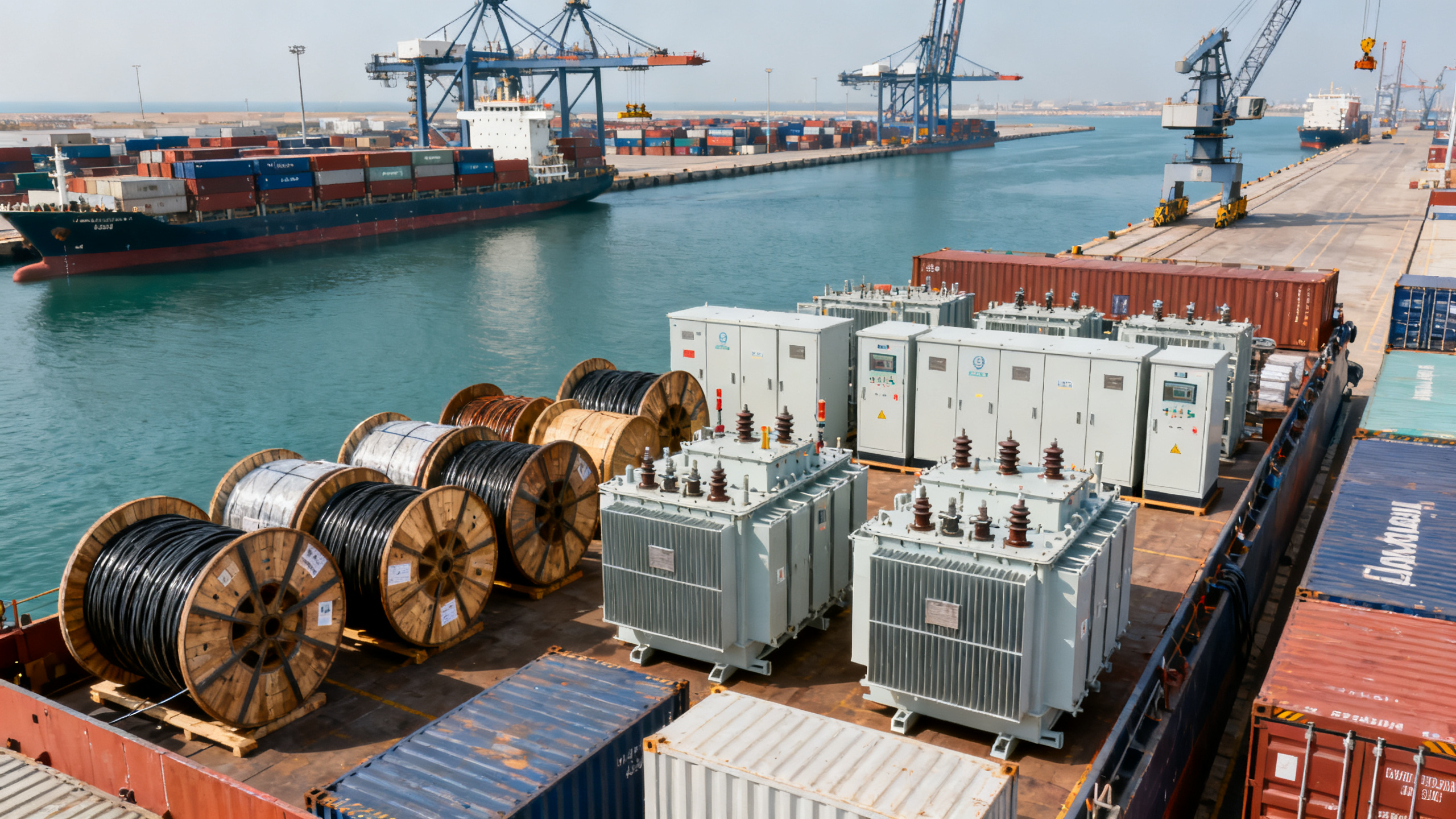
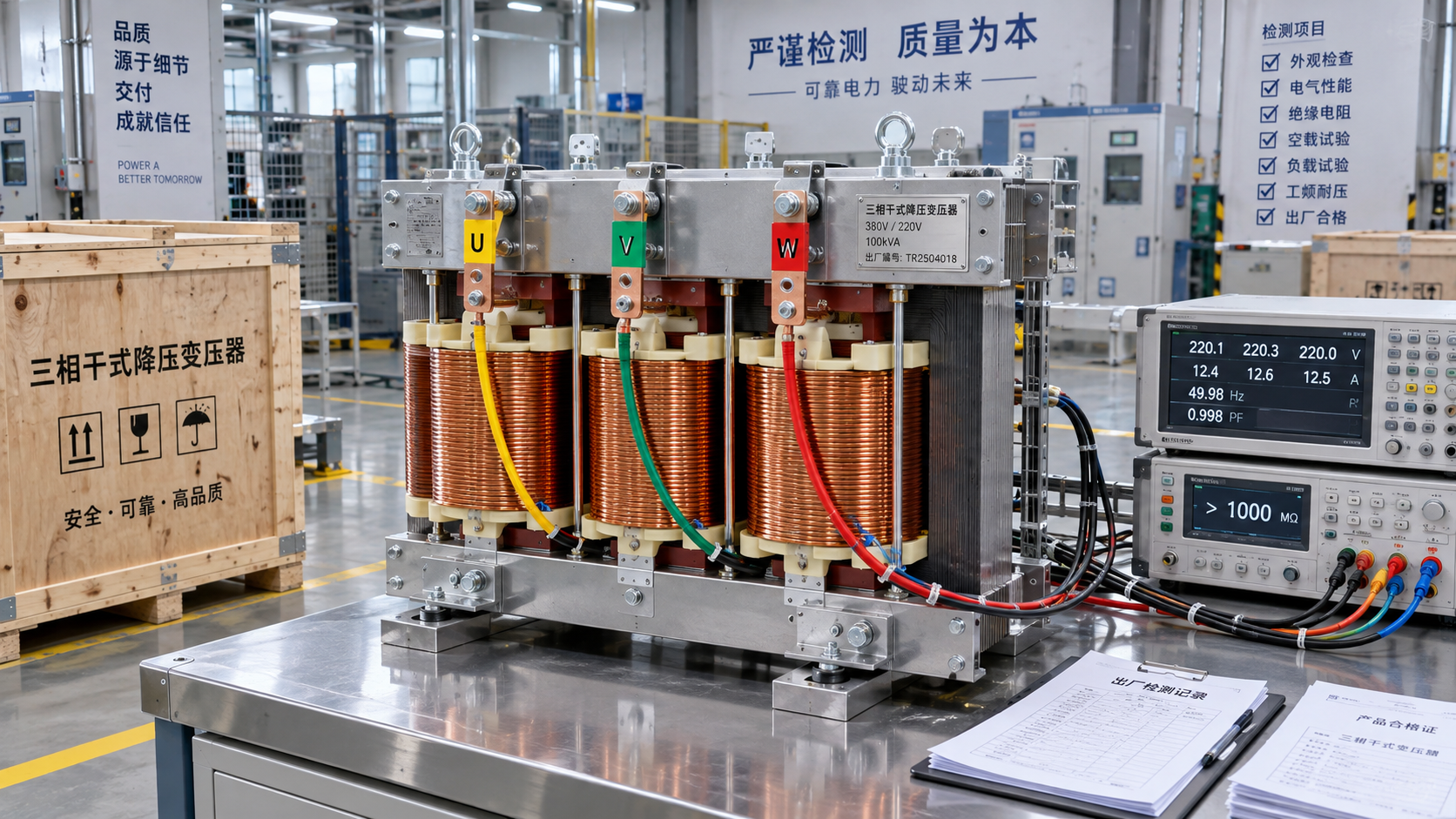
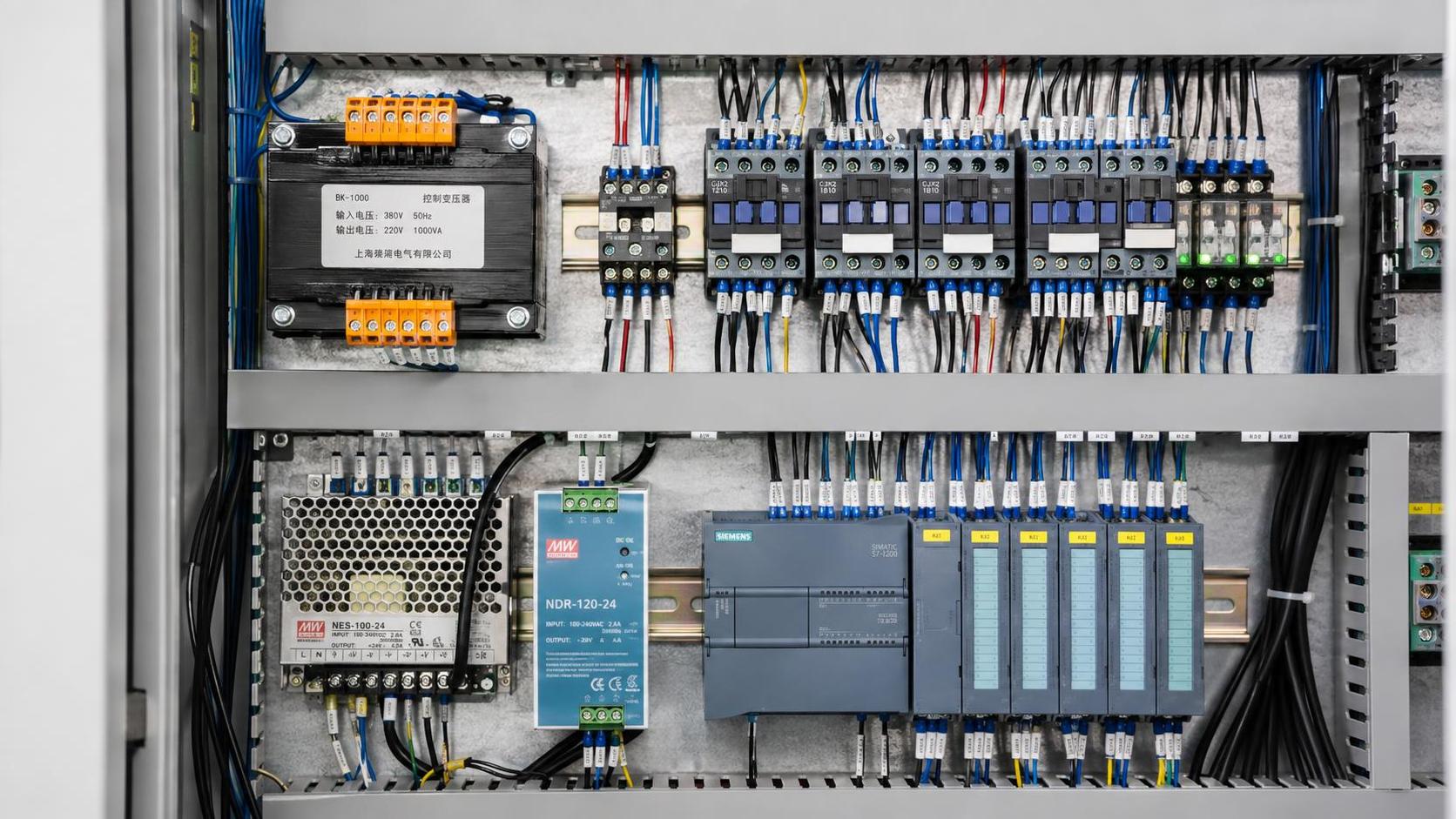
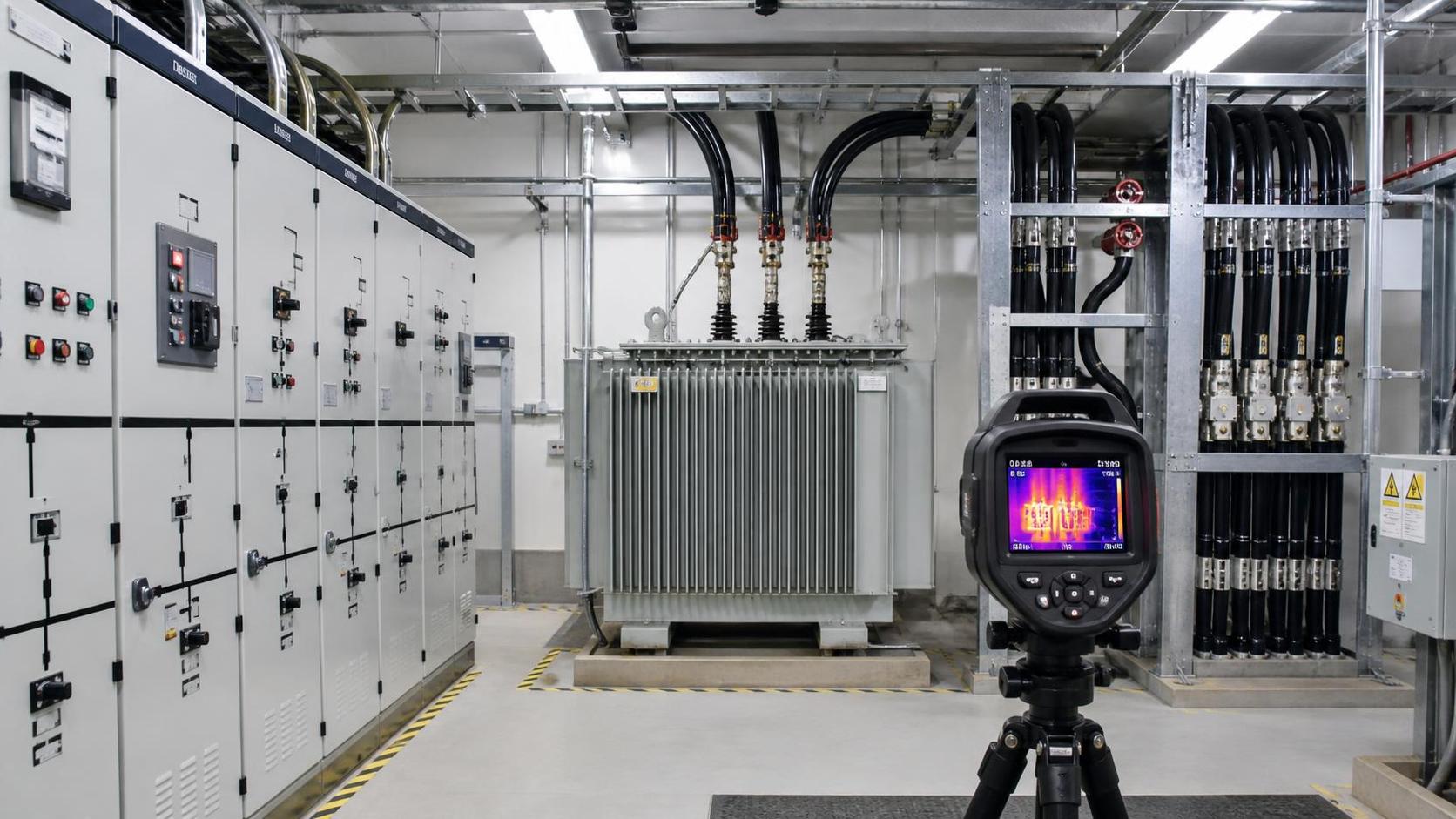
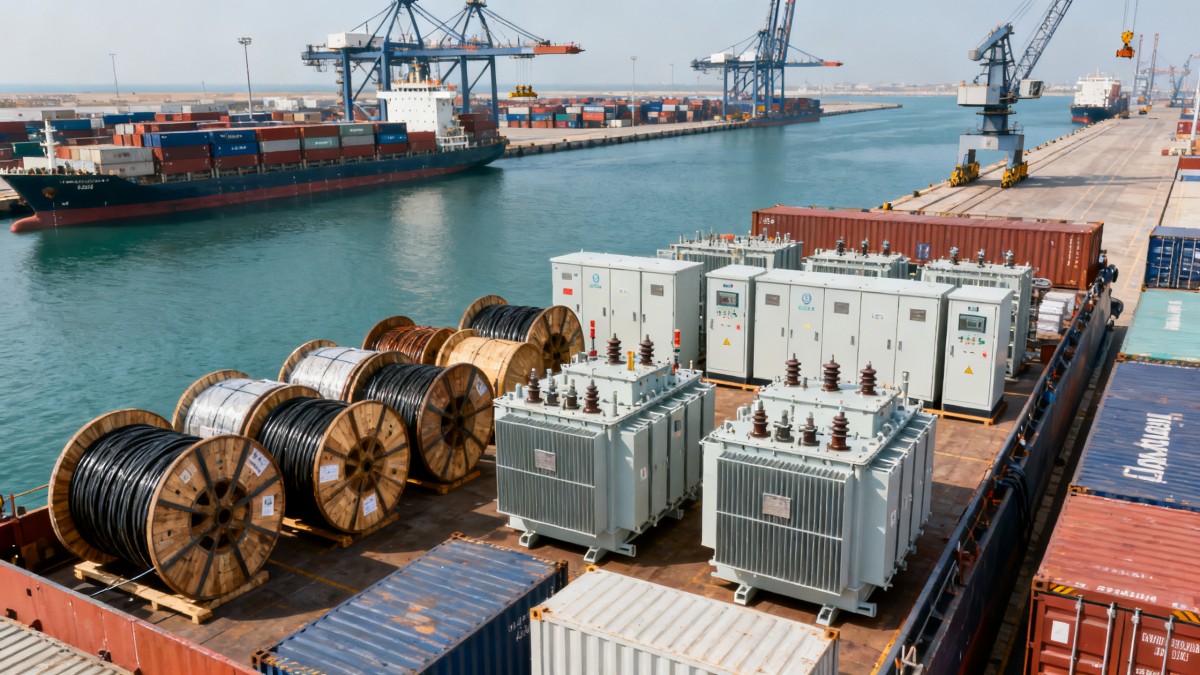
China and the United Arab Emirates have formally opened a dedicated direct sea route for industrial equipment, linking Shenzhen Port with Khalifa Port in Abu Dhabi. Based on the information provided, the route is designed to bypass transshipment hubs and shorten delivery cycles for higher-value industrial electrical products, including cables and wiring, breakers and relays, and transformers and switchgears.
What changes operationally
The main shift is logistical rather than symbolic. By removing intermediate handling, the new route should reduce the number of handoffs, which is often where delays, inspection bottlenecks, and inventory uncertainty accumulate. For exporters, that can mean more predictable lead times. For importers in the Middle East, it may ease pressure on stock levels and make replenishment planning less exposed to port congestion at transfer points.
The route also reportedly supports priority customs clearance for CE/IEC-compliant cargo and a green-channel inspection process. If implemented as described, that could matter as much as the sailing time itself, because compliance handling often determines whether freight moves smoothly once it reaches port.
Industry signal
This development points to a more specialized shipping model for industrial trade lanes. Instead of treating industrial electrical goods as generic cargo, the route appears tailored to a product group where timeliness, documentation, and standards compliance carry real commercial weight. That is especially relevant for buyers managing project schedules or replacement demand, where delays can create downstream operational risk.
It also suggests that logistics competition on China-Middle East trade lanes is moving beyond simple capacity into route design, customs efficiency, and product-specific service levels. For suppliers, that raises the value of clean documentation and standards readiness. For buyers, it highlights the advantage of route stability over ad hoc shipping arrangements.
At this stage, the broader market impact will depend on how consistently the route performs in practice and whether the clearance advantages remain durable. The event itself is clear; the next point to watch is whether similar dedicated routes emerge for other industrial product categories.
Technical Specifications
- Air Handling Unit Supplier Checklist: Performance Data, Lead Times, and SupportAuthor :Environmental Engineering Director
- Buying Fiberglass Water Tanks Wholesale: Compare Quotes and Delivery CostsAuthor :Environmental Engineering Director
- Choosing an XLPE Power Cable Supplier: Test Reports, Traceability, and Lead TimesAuthor :Grid Infrastructure Analyst
Expert Insights

Chief Security Architect
Dr. Thorne specializes in the intersection of structural engineering and digital resilience. He has advised three G7 governments on industrial infrastructure security.
Related Analysis
- Oct 19, 2026Air Handling Unit Supplier Checklist: Performance Data, Lead Times, and SupportAuthor :Environmental Engineering Director
- Oct 18, 2026Buying Fiberglass Water Tanks Wholesale: Compare Quotes and Delivery CostsAuthor :Environmental Engineering Director
- Oct 17, 2026Choosing an XLPE Power Cable Supplier: Test Reports, Traceability, and Lead TimesAuthor :Grid Infrastructure Analyst
Core Sector // 01
Security & Safety
- Choosing a Step-Down Transformer Supplier: Test Reports, Lead Times, and WarrantyAuthor :Grid Infrastructure Analyst

- Metallurgy Processes That Improve Conductivity and Reliability in Power Grid ComponentsAuthor :Grid Infrastructure Analyst

- How to Size a UPS for Server Rooms: Load, Runtime, and Redundancy FactorsAuthor :Grid Infrastructure Analyst

- How to Choose a Step-Down Transformer for a Control Panel: Key Sizing FactorsAuthor :Grid Infrastructure Analyst

- How Often Should Overseas Power Systems Undergo Safety Inspections?Author :Grid Infrastructure Analyst

- How to Choose Panels for Extreme-Cold Industrial Sites?Author :Grid Infrastructure Analyst

- What Should a Cross-Border EPC Equipment Procurement Reference Include?Author :Grid Infrastructure Analyst

- How to Compare Low-Voltage Equipment for Panel IntegrationAuthor :Grid Infrastructure Analyst