Anjie Technology Granted Patent for 'Micro Nut Feeding Fixture', Enhancing Efficiency in Ultrasonic Welding/Riveting and Boosting Stability in Precision Component Exports
Author
Date Published
Reading Time
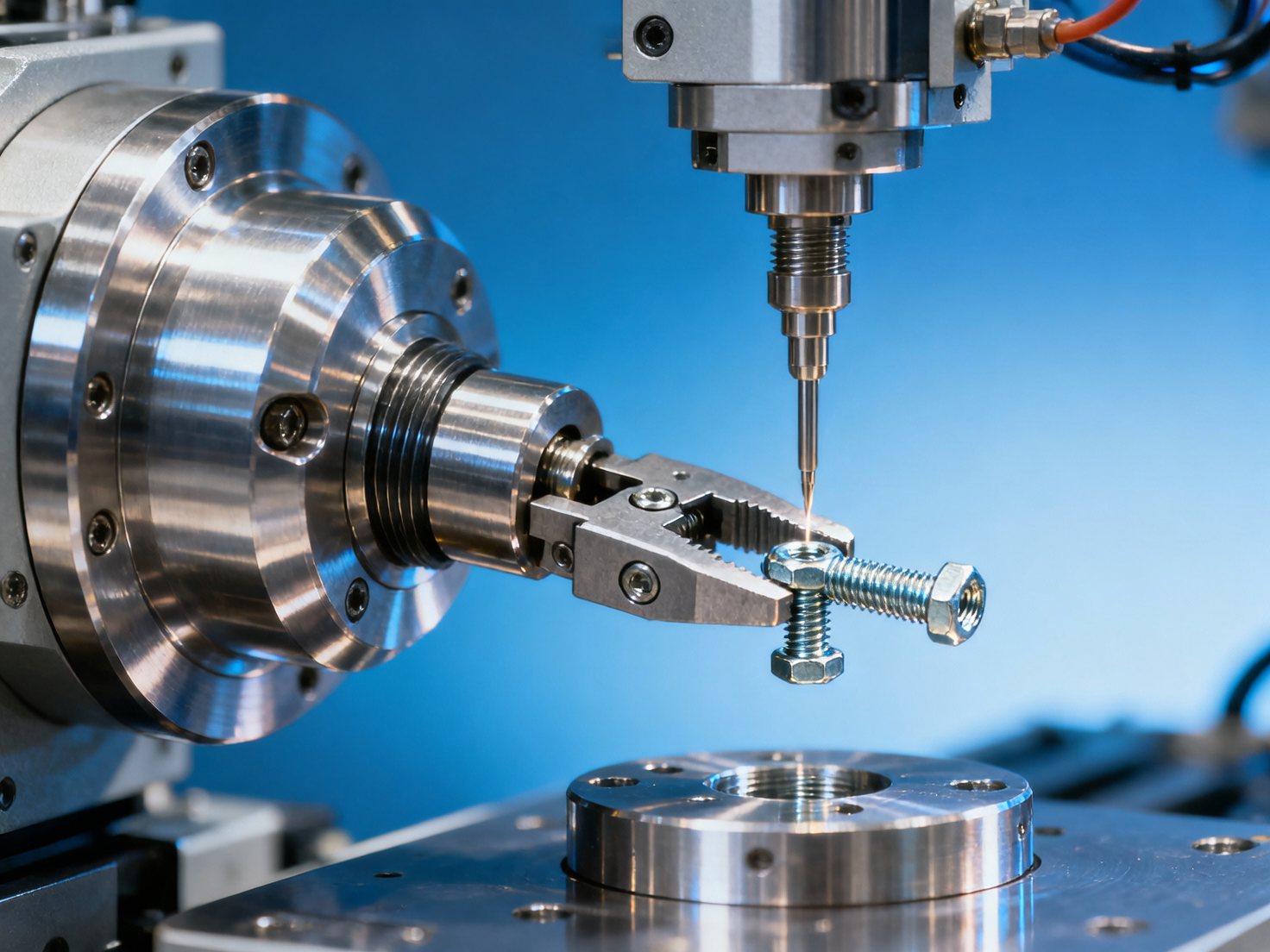
Anjie Technology Granted Patent for 'Micro Nut Feeding Fixture', Enhancing Efficiency in Ultrasonic Welding/Riveting and Boosting Stability in Precision Component Exports
Introduction
On March 27, 2026, Suzhou Anjie Technology was granted a patent (CN116692403B) for its 'Micro Nut Feeding Fixture', a specialized device designed to improve the efficiency of ultrasonic welding and riveting processes. This innovation is particularly relevant for industries such as smartphones, automotive electronics, and medical devices, where precision metal components are critical. The patent signifies advancements in automated feeding and orientation of micro nuts, reducing manual intervention and error rates—key factors for enhancing export delivery stability for Chinese suppliers in the global market.
Event Overview
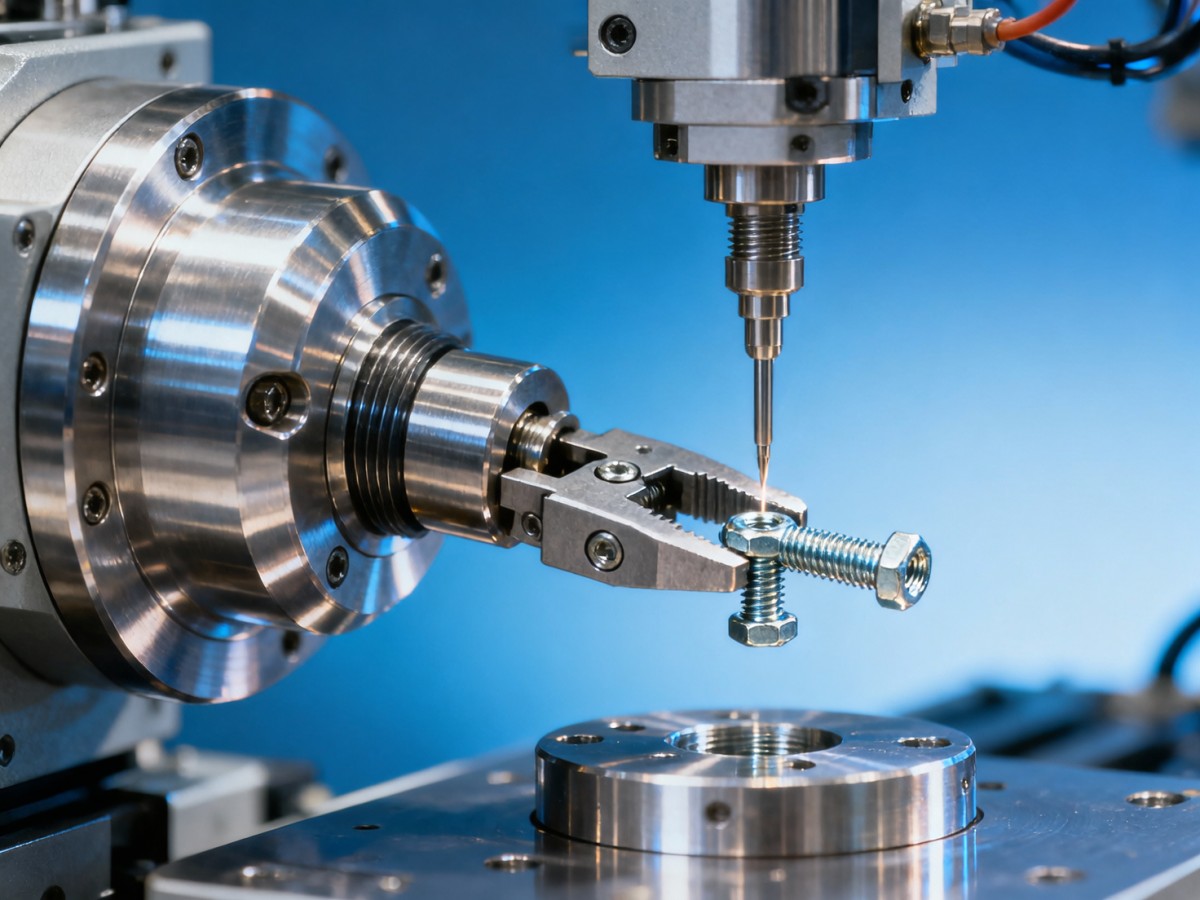
The patent, officially authorized on March 27, 2026, introduces a feeding fixture with a precision channel slot structure that automatically orients the large-diameter end or stud end of micro nuts. This ensures seamless batch delivery to ultrasonic welding or riveting stations, minimizing misalignment and assembly errors. The technology is expected to be applied in the production of metal structural components for high-precision end products, including smartphones, automotive electronics, and medical devices.
Impact on Sub-Industries
Precision Component Manufacturers
The patent directly benefits manufacturers of precision metal components, particularly those involved in micro-fastener assembly. By reducing manual intervention and error rates, the technology enhances production efficiency and product consistency, which is critical for meeting the stringent quality demands of international clients.
Automotive and Electronics Supply Chains
For automotive and electronics industries, where micro nuts are widely used in structural assemblies, this innovation promises improved supply chain reliability. Reduced error rates in assembly lines translate to fewer delays and higher throughput, addressing a key pain point in high-volume production environments.
Medical Device Producers
In the medical device sector, where precision and reliability are non-negotiable, the automated feeding fixture could significantly reduce defect rates in critical components. This is particularly important for export-oriented manufacturers aiming to comply with international quality standards.
Key Considerations for Industry Players
Monitor Adoption Rates
Companies in affected sectors should track how quickly this technology is adopted by major suppliers. Early adopters may gain a competitive edge in terms of delivery reliability and cost efficiency.
Assess Integration Feasibility
Manufacturers should evaluate whether their existing production lines can integrate this feeding fixture without significant downtime or retrofitting costs. Pilot testing may be advisable for high-volume operations.
Strengthen Supplier Communication
Importers and OEMs should engage with Chinese suppliers to understand how this patent might translate into improved delivery timelines and quality assurances for their orders.
Editor's Perspective / Industry Observation
From an industry perspective, this patent represents a incremental but meaningful advancement in precision manufacturing. While it may not revolutionize the sector overnight, it addresses a specific bottleneck in micro-fastener assembly—a niche but critical area. The technology's real-world impact will depend on its adoption rate and scalability across different production environments. For now, it serves as a signal of China's ongoing efforts to enhance its manufacturing capabilities in high-precision components.
Conclusion
The patent granted to Anjie Technology underscores the importance of automation and precision in modern manufacturing, particularly for export-oriented industries. While the immediate impact may be limited to specific applications, the long-term implications for supply chain stability and quality control are noteworthy. Industry stakeholders should view this development as part of a broader trend toward smarter, more efficient production systems.
Source Information
Primary source: China National Intellectual Property Administration (CNIPA) patent authorization record (CN116692403B). Additional context derived from Anjie Technology's public disclosures. Ongoing monitoring of implementation cases is recommended to assess practical outcomes.
Technical Specifications
- Air Handling Unit Supplier Checklist: Performance Data, Lead Times, and SupportAuthor :Environmental Engineering Director
- Buying Fiberglass Water Tanks Wholesale: Compare Quotes and Delivery CostsAuthor :Environmental Engineering Director
- Choosing an XLPE Power Cable Supplier: Test Reports, Traceability, and Lead TimesAuthor :Grid Infrastructure Analyst
Expert Insights

Chief Security Architect
Dr. Thorne specializes in the intersection of structural engineering and digital resilience. He has advised three G7 governments on industrial infrastructure security.
Related Analysis
- Oct 19, 2026Air Handling Unit Supplier Checklist: Performance Data, Lead Times, and SupportAuthor :Environmental Engineering Director
- Oct 18, 2026Buying Fiberglass Water Tanks Wholesale: Compare Quotes and Delivery CostsAuthor :Environmental Engineering Director
- Oct 17, 2026Choosing an XLPE Power Cable Supplier: Test Reports, Traceability, and Lead TimesAuthor :Grid Infrastructure Analyst
Core Sector // 01
Security & Safety
- Does Power Transmission Maintenance Differ in Desert and Arctic Sites?Author :Heavy Industry Strategist

- Can Industrial Engineering Solutions Reduce Petrochemical Downtime?Author :Heavy Industry Strategist

- What Drives Industrial Roller Chains Price: Material, Pitch, Load, and Supplier FactorsAuthor :Heavy Industry Strategist

- How to Choose a Three Phase Soft Starter for Pumps, Fans, and ConveyorsAuthor :Heavy Industry Strategist

- How to Evaluate a Conveyor Roller Belts Manufacturer for Load, Speed, and Service LifeAuthor :Heavy Industry Strategist

- Power Transmission Systems Pricing: 7 Cost Drivers Buyers Should CompareAuthor :Heavy Industry Strategist

- India Expands BIS ISI Rule for Imported Belts and ChainsAuthor :Heavy Industry Strategist

- Zero Backlash Jaw Coupling Selection Guide: Torque, Misalignment, and Servo PerformanceAuthor :Heavy Industry Strategist