Spotting metal cracks with industrial optics
Author
Date Published
Reading Time
- industrial safety
- environmental engineering
- mechanical components
- heavy industry
- EPC contractors
- industrial procurement
- foundational engineering
- facility management
- industrial standards
- safety equipment
- power distribution
- mechanical engineering
- electrical safety
- metallurgical engineering
- safety standards
In the realm of mechanical engineering and metallurgical engineering, early detection of structural vulnerabilities is paramount to preventing catastrophic failure. Utilizing advanced industrial optics for spotting metal cracks ensures that facility management teams and Security & Safety officers maintain the highest industrial standards. As part of a comprehensive approach to Electrical & Power infrastructure and power distribution reliability, precision measurement tools act as essential safety equipment. For technical evaluators and project managers, understanding these optical breakthroughs is critical for ensuring electrical safety and environmental engineering compliance. This guide explores how cutting-edge optical technologies are revolutionizing inspection protocols, providing the mission-critical intelligence required to safeguard modern industrial foundations.
The Critical Role of Advanced Optics in Structural Integrity
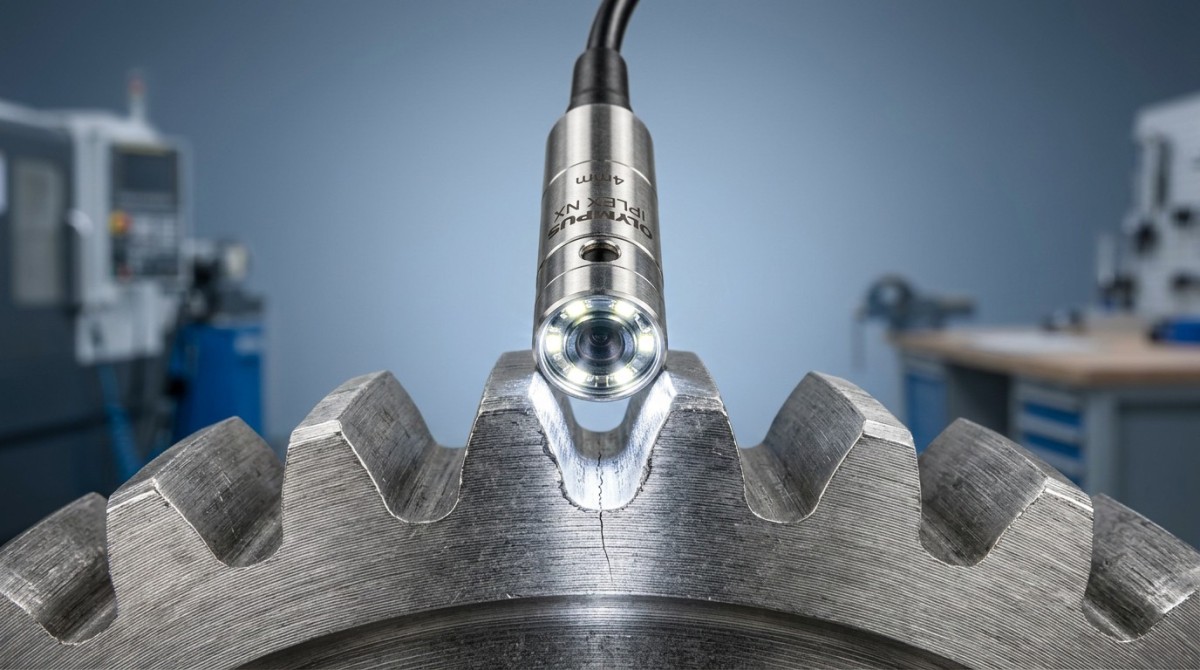
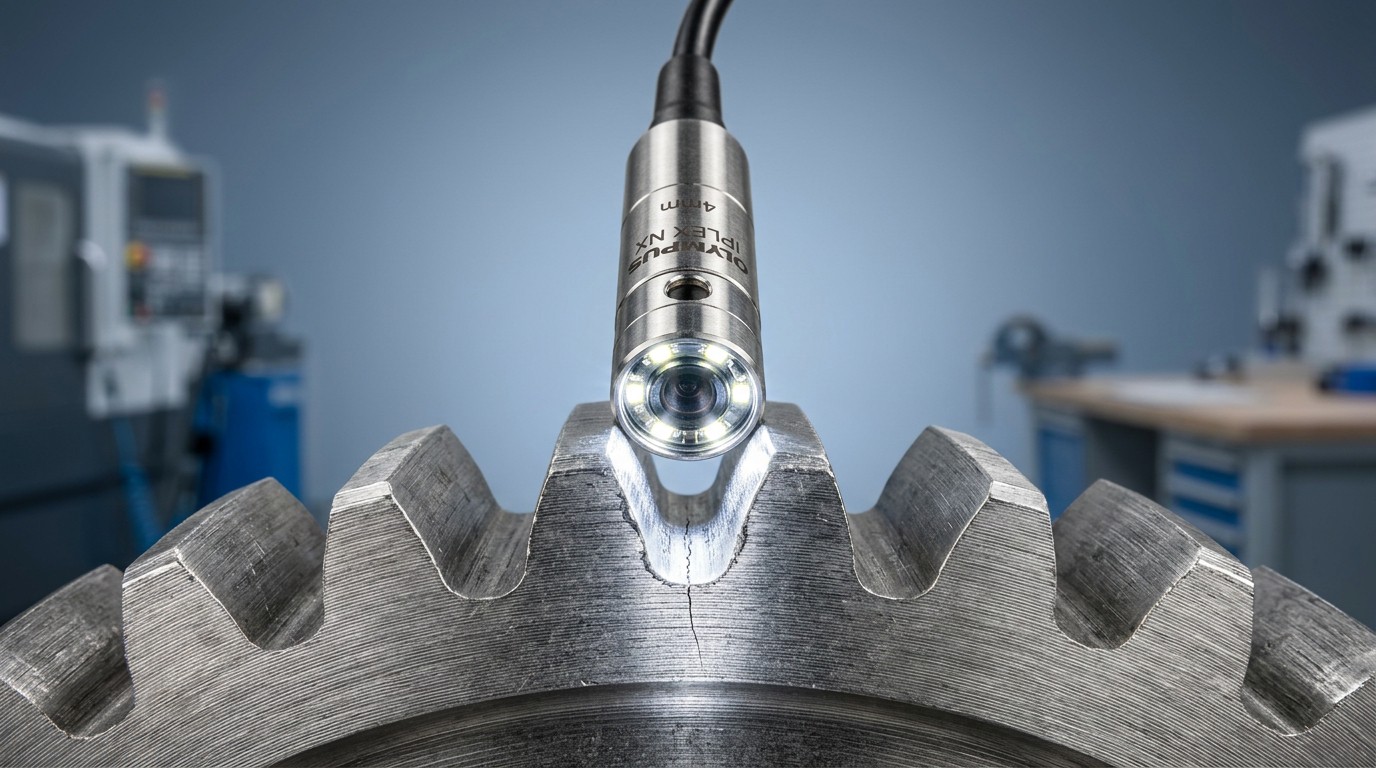
Structural integrity remains the cornerstone of modern industrial operations, particularly in sectors where heavy machinery and high-pressure systems are the norm. Metal cracks, often starting at the microscopic level, can propagate rapidly under cyclic loading or thermal stress, leading to sudden and catastrophic failures. In high-stakes environments like power plants, chemical refineries, and large-scale manufacturing hubs, the cost of an undetected fracture extends far beyond simple repair expenses; it encompasses environmental hazards, personnel safety risks, and massive operational downtime. Industrial optics have emerged as a primary line of defense, offering non-destructive testing (NDT) capabilities that allow for real-time monitoring without compromising the component's physical state.
The evolution of optical technology has transitioned from basic magnifying lenses to sophisticated digital imaging systems capable of detecting fissures as small as 0.5 to 2.0 microns. For metallurgy experts and mechanical engineers, these precision tools provide the granularity needed to differentiate between superficial surface scratches and deep-seated structural cracks. This distinction is vital for accurate risk assessment and maintenance scheduling. By integrating high-resolution optics into regular inspection cycles, facility managers can shift from reactive "break-fix" models to proactive predictive maintenance, significantly extending the lifespan of critical mechanical components and ensuring long-term asset reliability.
Modern industrial optics leverage various light wavelengths and sensor technologies to penetrate the visual noise typical of industrial environments, such as oil films, oxidation layers, or debris. For Security & Safety officers, the objective is to establish a transparent and verifiable inspection trail that meets rigorous international safety standards like ISO 9001 and CE certification requirements. As global industries increasingly adopt Industry 4.0 standards, optical inspection tools are being equipped with AI-driven defect recognition software, which assists quality control personnel in identifying anomalies that might be missed by the human eye during long shifts. This synergy of human expertise and machine precision forms the foundation of modern industrial safety architecture.
Furthermore, the implementation of these technologies directly supports the broader mission of environmental and ecological protection. Preventing a structural failure in a pipeline or a containment vessel is the most effective way to avoid environmental contamination. Technical evaluators must recognize that investing in high-end industrial optics is not merely a procurement choice but a strategic commitment to operational resilience. By prioritizing tools that offer superior image clarity and data integrity, organizations can safeguard their infrastructure against the unpredictable nature of material fatigue and environmental degradation, ensuring that foundational engineering systems remain robust and secure for decades to come.
Core Optical Technologies for Precision Crack Detection
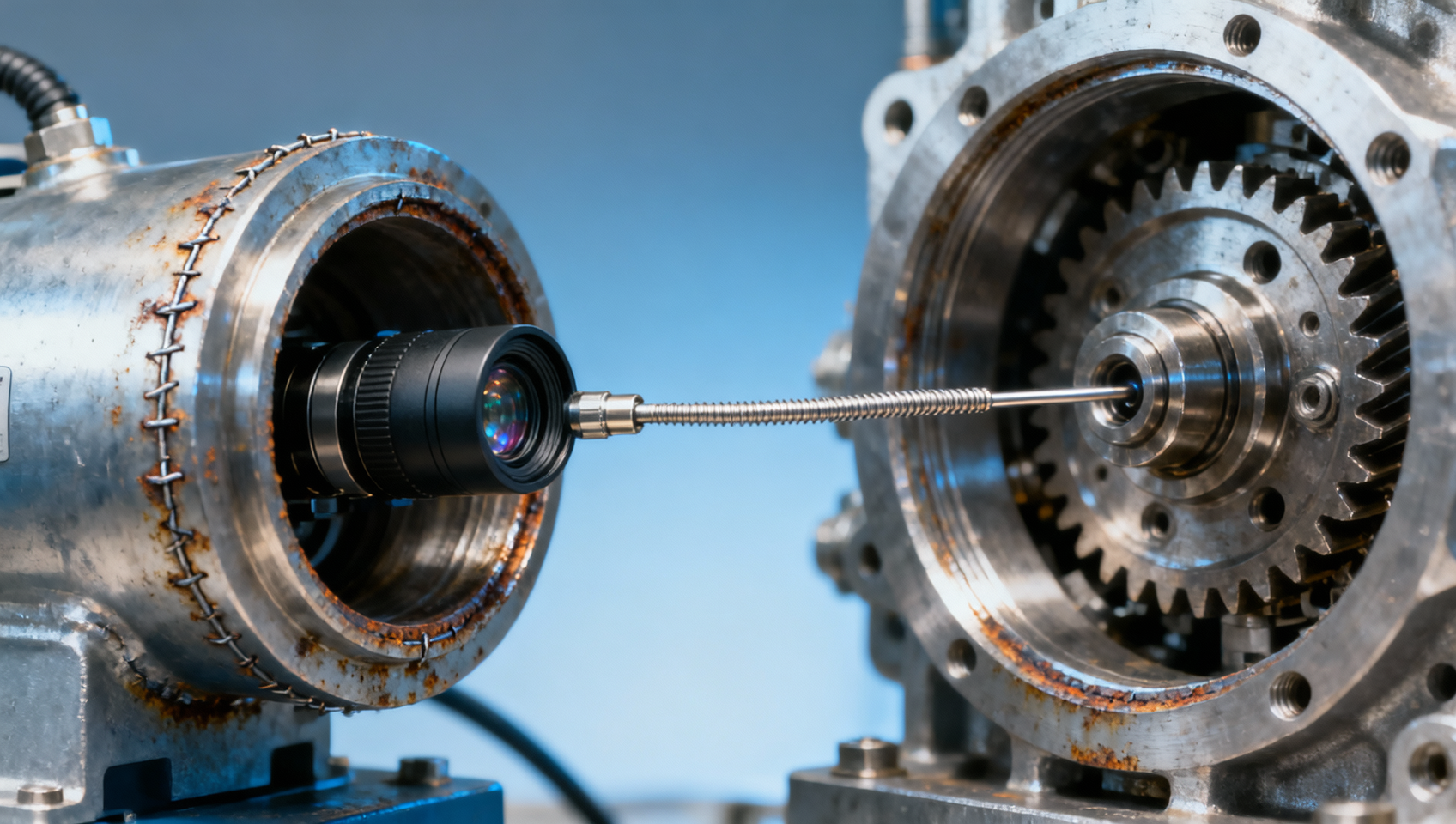
Choosing the right optical tool depends heavily on the specific application, the material being inspected, and the accessibility of the component. Video borescopes, for instance, have become indispensable for inspecting the internal surfaces of turbines, heat exchangers, and complex plumbing systems. These devices feature ultra-slim insertion tubes, often ranging from 2.0mm to 8.0mm in diameter, equipped with high-definition CMOS sensors and adjustable LED lighting. For project managers overseeing large-scale EPC contracts, the portability and reach of modern borescopes allow for thorough inspections in confined spaces that were previously inaccessible, ensuring that every weld and joint meets the project's stringent quality benchmarks.
Digital microscopes represent another pillar of optical inspection, particularly in the analysis of metallurgical samples and small mechanical components. Unlike traditional optical microscopes, digital versions utilize high-speed cameras to transmit images directly to a monitor, allowing for collaborative review by a panel of experts. These systems often provide magnification ranges from 20x to 2000x, enabling the identification of intergranular corrosion and stress-corrosion cracking at the earliest stages. For quality control managers, the ability to capture, annotate, and share high-resolution images of defects is crucial for documenting compliance with safety regulations and for conducting root cause analysis when failures do occur.
The following table provides a comparative analysis of the primary optical inspection technologies currently utilized across heavy industry, highlighting their specific strengths and ideal application scenarios to assist in strategic procurement decisions.
As indicated in the data above, the selection of an optical tool is driven by the nature of the potential defect. While borescopes are superior for accessibility in complex geometries, digital microscopes offer the highest resolution for laboratory-grade material analysis. For business evaluators, the objective is to balance the initial capital expenditure (CAPEX) with the long-term operational expenditure (OPEX) savings achieved through more accurate and efficient inspection protocols. A diversified toolkit, combining several of these technologies, ensures comprehensive coverage across all five pillars of heavy industry, from electrical grid safety to mechanical component longevity.
Technical Evaluation Parameters for Industrial Procurement
Procuring high-performance industrial optics requires a deep dive into technical specifications that go beyond simple resolution. For procurement directors and technical evaluators, one of the most critical factors is the Signal-to-Noise Ratio (SNR) of the imaging sensor. In low-light industrial environments, such as the interior of a darkened pressure vessel, a sensor with high sensitivity and low noise is essential for identifying the subtle shadows and highlights that indicate a hairline crack. Furthermore, the Color Rendering Index (CRI) of the integrated lighting system should ideally be above 90 to ensure that the true color of the metal and any oxidation products are accurately represented, which is vital for diagnosing the type of corrosion or fatigue present.
Connectivity and data integration have also become non-negotiable parameters in the modern B2B intelligence hub. Tools should support seamless integration with Asset Management Systems (AMS) and Building Information Modeling (BIM) software. This allows inspection data to be tagged to specific components in a digital twin of the facility, providing a historical record of crack growth over time. For project managers and facility directors, this data-driven approach enables the calculation of remaining useful life (RUL) for critical infrastructure. In terms of hardware durability, equipment must carry appropriate Ingress Protection (IP) ratings, typically IP67 or higher, to withstand the dust, moisture, and chemical exposure common in metallurgical and power grid environments.
When evaluating the return on investment (ROI) for these precision instruments, it is important to consider the reduction in inspection time and the decrease in false positives. High-quality optics with advanced features like "Phase Measurement" or "3D Stereo Measurement" allow operators to not only see a crack but also measure its depth and width with an accuracy of ±0.01mm. This quantitative data is essential for determining whether a component needs immediate replacement or can safely operate until the next scheduled maintenance window. For商务评估人员 (business evaluators), this precision translates directly into optimized inventory management of spare parts and more efficient allocation of specialized maintenance labor.
Key Performance Indicators (KPIs) for Optical Inspection Equipment
- Optical Resolution: Minimum 1080p for borescopes; up to 4K for stationary digital microscopes to ensure sub-micron detection.
- Lighting Versatility: Availability of multiple light sources, including white LED, UV for dye penetrants, and IR for thermal-assisted inspections.
- Field of View (FOV): Adjustable FOV (from 60° to 120°) to accommodate both wide-area surveys and focused, high-detail examinations.
- Articulation & Maneuverability: 360-degree all-way articulation for probe tips to navigate complex mechanical assemblies without disassembly.
- Data Security: Encrypted data transmission and storage to protect sensitive infrastructural intelligence from unauthorized access.
Compliance and Safety Standards in Global Heavy Industry
In the landscape of foundational engineering, absolute compliance with international safety standards is the benchmark for operational excellence. Industrial optics used for crack detection must align with the rigorous requirements set by bodies such as the International Organization for Standardization (ISO) and the American Society for Testing and Materials (ASTM). Specifically, ISO 9712 outlines the principles for the qualification and certification of NDT personnel, ensuring that the individuals operating these optical tools possess the expertise to interpret the data correctly. For EPC contractors and facility managers, utilizing certified equipment and personnel is a prerequisite for maintaining insurance coverage and legal compliance in most jurisdictions.
Beyond general NDT standards, sector-specific regulations often dictate the frequency and methodology of optical inspections. In the Electrical & Power Grid sector, standards such as IEC 60068 define environmental testing procedures that ensure optical equipment can function reliably in high-voltage and extreme temperature conditions. For those in Environmental & Ecological engineering, compliance with local EPA (Environmental Protection Agency) or equivalent international standards often requires a verifiable "zero-leak" policy, which can only be guaranteed through the most sensitive optical detection methods. This regulatory pressure makes the adoption of high-fidelity optics a mission-critical component of corporate governance and risk management.
The table below summarizes the key international standards that govern the use of optical inspection tools and the resulting data in heavy industry. Adhering to these standards ensures that the intelligence gathered is authoritative and trustworthy, fitting the high E-E-A-T requirements of modern industrial decision-making.
As shown, the regulatory framework is comprehensive, covering both the technology and the technicians. For an industrial organization, maintaining this level of compliance is a significant undertaking but offers a powerful "Trust Signal" to clients, partners, and regulators. By investing in tools that are pre-certified and support automated compliance reporting, companies can reduce the administrative burden of safety audits while simultaneously improving the actual safety of their operations. This adherence to high standards is what distinguishes elite B2B intelligence hubs and strategic sourcing authorities in the global infrastructural supply chain.
Operational Implementation and Maintenance Best Practices
The successful implementation of an optical crack detection program requires more than just high-end equipment; it demands a structured operational workflow. Initial deployment should begin with a comprehensive site assessment to identify "critical-to-safety" components that require the most frequent monitoring. For facility managers and project managers, this involves mapping out inspection routes and defining specific "pass/fail" criteria based on material type and component function. Operators should be trained not only on the technical handling of the optics but also on the environmental factors—such as vibration or ambient light—that can affect image quality during a field inspection.
Maintenance of the optical tools themselves is equally critical. Given that these instruments are often used in harsh industrial settings, regular cleaning and calibration are essential to maintain their precision. Lenses and sensors should be cleaned using specific manufacturer-approved solvents to prevent micro-abrasions that could be mistaken for defects in the inspected material. Furthermore, digital storage systems must be regularly audited to ensure that inspection records are being backed up and are easily retrievable for future comparisons. For technical evaluators, the ease of maintenance and the availability of local service support should be key factors in the final procurement decision, as these impact the total cost of ownership over the tool's 5-to-10-year lifecycle.
To ensure the highest level of data integrity, many organizations are now moving toward "Dual-Verification" protocols. This involves having an AI algorithm perform the first pass of crack detection, followed by a certified Level II or III NDT technician who validates the findings. This redundant approach minimizes the risk of human error—often caused by fatigue—and ensures that mission-critical intelligence is as accurate as possible. By documenting this process in corporate whitepapers and case studies, industrial manufacturers can showcase their commitment to quality and safety, attracting high-net-worth institutional buyers who prioritize resilience over initial unit economics.
FAQ: Addressing Key Concerns in Industrial Optical Inspection
What is the typical detection limit for a portable industrial borescope?
While detection limits vary by manufacturer, a high-end portable borescope can typically identify surface cracks as small as 5 to 10 microns in width, provided the surface is clean and appropriate lighting is used. For deeper, sub-surface analysis, optical tools are often used in conjunction with ultrasonic or eddy current testing for a more comprehensive assessment of structural integrity.
How does ambient temperature affect the accuracy of optical measurement?
Extreme temperatures can cause thermal expansion of the lens housing and sensors, potentially leading to measurement drift. Most industrial-grade optics are rated for operation between -20°C and +60°C. For inspections in high-heat environments, such as active furnaces or steam lines, specialized cooling jackets or air-cooled probes are required to maintain an accuracy threshold within ±0.05mm.
What is the recommended calibration interval for these high-precision tools?
For equipment used in safety-critical sectors like the power grid or aerospace metallurgy, a 12-month calibration cycle is the industry standard. However, for tools used in less demanding environments, this can be extended to 24 months, provided that internal "drift checks" are performed and documented on a monthly basis by the site's quality control department.
Conclusion: Securing the Foundation of Modern Industry
The integration of advanced industrial optics into the inspection of mechanical and metallurgical systems is no longer a luxury but a fundamental requirement for modern industrial safety. By providing the mission-critical intelligence needed to spot metal cracks before they lead to catastrophic failure, these tools safeguard the essential pillars of heavy industry—from the electrical power grid to environmental infrastructure. For decision-makers and technical evaluators, the path forward involves embracing high-fidelity imaging, AI-assisted diagnostics, and a rigorous commitment to international compliance standards. This strategic investment not only protects lives and assets but also builds the "Trust Signals" necessary to dominate the global infrastructural supply chain. To explore tailored optical inspection solutions for your facility or to receive a comprehensive technical consultation, contact our team of metrology and safety experts today.
Interested in enhancing your industrial safety protocols? Contact us now for a customized optical inspection roadmap.
Technical Specifications
Expert Insights

Chief Security Architect
Dr. Thorne specializes in the intersection of structural engineering and digital resilience. He has advised three G7 governments on industrial infrastructure security.
Related Analysis
- Apr 25, 2026China Launches World's Largest Agri-Meteorological Observation NetworkAuthor :Precision Metrology Expert
- Apr 25, 2026Binggang Group & AHUT Advance Steel Slag Valorization TechAuthor :Heavy Industry Strategist
- Apr 25, 2026China Leads First ISO Standard for Zero-Carbon CitiesAuthor :Environmental Engineering Director
Core Sector // 01
Security & Safety
- TÜV Rheinland Updates EMC Guide: RF Immunity for Industrial Optical Inspection DevicesAuthor :Precision Metrology Expert
![]()
- SABIC Adds 3 Chinese Optical Inspection Devices to Saudi Green LaneAuthor :Precision Metrology Expert
![]()
- Spotting metal cracks with industrial opticsAuthor :Precision Metrology Expert

- Cemented Carbide Blanks: Which Grade Fits BestAuthor :Precision Metrology Expert

- TÜV Rheinland Updates EMC Guide: RF Immunity for Industrial OpticsAuthor :Precision Metrology Expert
![]()
- SABIC Adds 3 Chinese Industrial Optics Devices to Saudi Safety White ListAuthor :Precision Metrology Expert
![]()
- TÜV Rheinland Updates EMC Guide for Industrial Optics DevicesAuthor :Precision Metrology Expert
![]()
- Industrial Endoscopes for Tight SpacesAuthor :Precision Metrology Expert