
China Customs Pilot 'New Energy Equipment Export HS Code Pre-Ruling System' - Impacts on Solar Inverter, Energy Storage PCS Exporters
Author
Date Published
Reading Time
Introduction
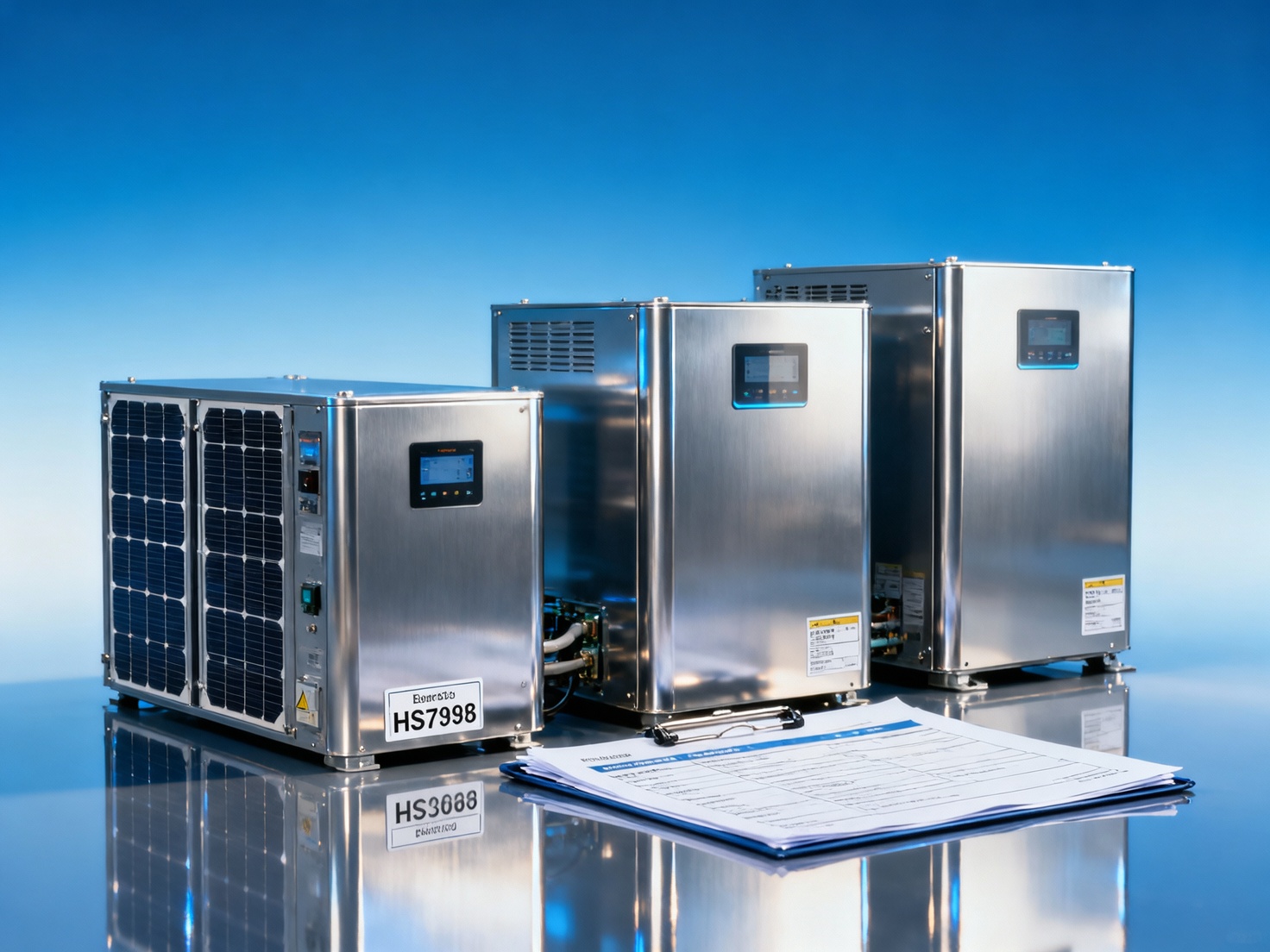
On March 26, 2026, China's General Administration of Customs launched a pilot 'New Energy Equipment Export Intelligent Classification Pre-Ruling System' in Shanghai, Shenzhen, and Ningbo ports. The system covers 17 categories of products prone to HS code disputes, including photovoltaic inverters, energy storage power conversion systems (PCS), and wind pitch drivers. This development is particularly relevant for renewable energy equipment manufacturers, exporters, and supply chain stakeholders, as it addresses long-standing customs clearance challenges for technically complex products.
Event Overview
The newly implemented system allows enterprises to submit technical documentation through the 'China International Trade Single Window' platform. Utilizing AI preliminary review followed by manual verification, it delivers legally binding HS code pre-ruling certificates within 3 working days. The pilot currently focuses on high-dispute products in solar, energy storage, and wind power sectors, aiming to reduce customs clearance risks stemming from classification errors.
Impact on Sub-Sectors
1. Renewable Energy Equipment Exporters
Manufacturers and traders of solar inverters, PCS, and wind components will experience direct impact. The pre-ruling system mitigates three major risks: (1) shipment rejections due to HS code mismatches, (2) unexpected tariff liabilities from retrospective classification adjustments, and (3) supply chain disruptions during customs disputes.
2. Supply Chain Service Providers
Freight forwarders and customs brokers handling renewable energy cargo must adapt to the new digital submission workflow. The 3-day turnaround time necessitates synchronized preparation of technical specifications earlier in the logistics cycle.
3. Overseas Project Developers
Buyers relying on Chinese equipment for international renewable projects gain enhanced cost predictability. Binding pre-rulings prevent last-minute cost variations caused by customs reclassification at destination ports.
Key Action Points for Industry Players
1. Immediate System Familiarization
Exporters should immediately test the submission interface via the Single Window platform, particularly focusing on the technical documentation requirements for AI processing. Early adopters may gain first-mover advantages in shipment predictability.
2. Technical Documentation Optimization
From an industry perspective, product manuals and specification sheets may require restructuring to align with the AI review logic. Emphasizing key differentiators between similar products (e.g., hybrid vs. standalone PCS) becomes critical.
3. Pilot Port Utilization Strategy
Companies not currently using Shanghai/Shenzhen/Ningbo ports should evaluate potential routing adjustments during the pilot phase. The system's eventual nationwide rollout timeline remains unconfirmed.
Editor's Observation
Analysis suggests this initiative reflects China's broader strategy to streamline renewable technology exports amid growing global demand. Rather than being merely procedural, the system effectively standardizes customs interpretation for technically complex green technologies. The 17-product scope indicates prioritized sectors where classification disputes historically hindered export efficiency. Industry players should monitor whether the pilot expands to include additional components like battery packs or hydrogen electrolyzers.
Conclusion
This customs innovation represents a tangible operational improvement for China's renewable energy export ecosystem. While the pilot's initial scale remains limited, its successful implementation could significantly enhance the competitiveness of Chinese clean tech exporters in precision supply chain management. Current indications suggest treating this as both a compliance tool and strategic advantage in contract negotiations with international buyers.
Source
• Official Announcement by China General Administration of Customs (March 26, 2026)
• China International Trade Single Window Platform Documentation
• Note: Expansion plans beyond the initial 17 product categories remain unconfirmed as of reporting date.
Technical Specifications
- China Customs Pilot 'New Energy Equipment Export HS Code Pre-Ruling System' - Impacts on Solar Inverter, Energy Storage PCS ExportersAuthor :Grid Infrastructure Analyst
- Rubber grommets bulk shipments arriving with inconsistent durometer—what changed in Q2 2026?Author :Grid Infrastructure Analyst
- Electric motorized valves rated IP67 still trip in condensing enclosures — moisture isn’t the only culpritAuthor :Grid Infrastructure Analyst
Expert Insights

Chief Security Architect
Dr. Thorne specializes in the intersection of structural engineering and digital resilience. He has advised three G7 governments on industrial infrastructure security.
Related Analysis
- Mar 28, 2026China Customs Pilot 'New Energy Equipment Export HS Code Pre-Ruling System' - Impacts on Solar Inverter, Energy Storage PCS ExportersAuthor :Grid Infrastructure Analyst
- Mar 28, 2026The 16th China International Clean Energy Expo Concludes with $12.7 Billion in Intentional Deals: Key Takeaways for Industry PlayersAuthor :
- Mar 28, 2026Japan's METI Updates Green Procurement Priority List: Impacts and Strategies for Affected IndustriesAuthor :Environmental Engineering Director