CATL and Sinopec Sign Agreement to Build Integrated 'PV-Storage-Charging-Swapping' Energy Service Network, Targeting 500 New Stations by 2026
Author
Date Published
Reading Time
Introduction
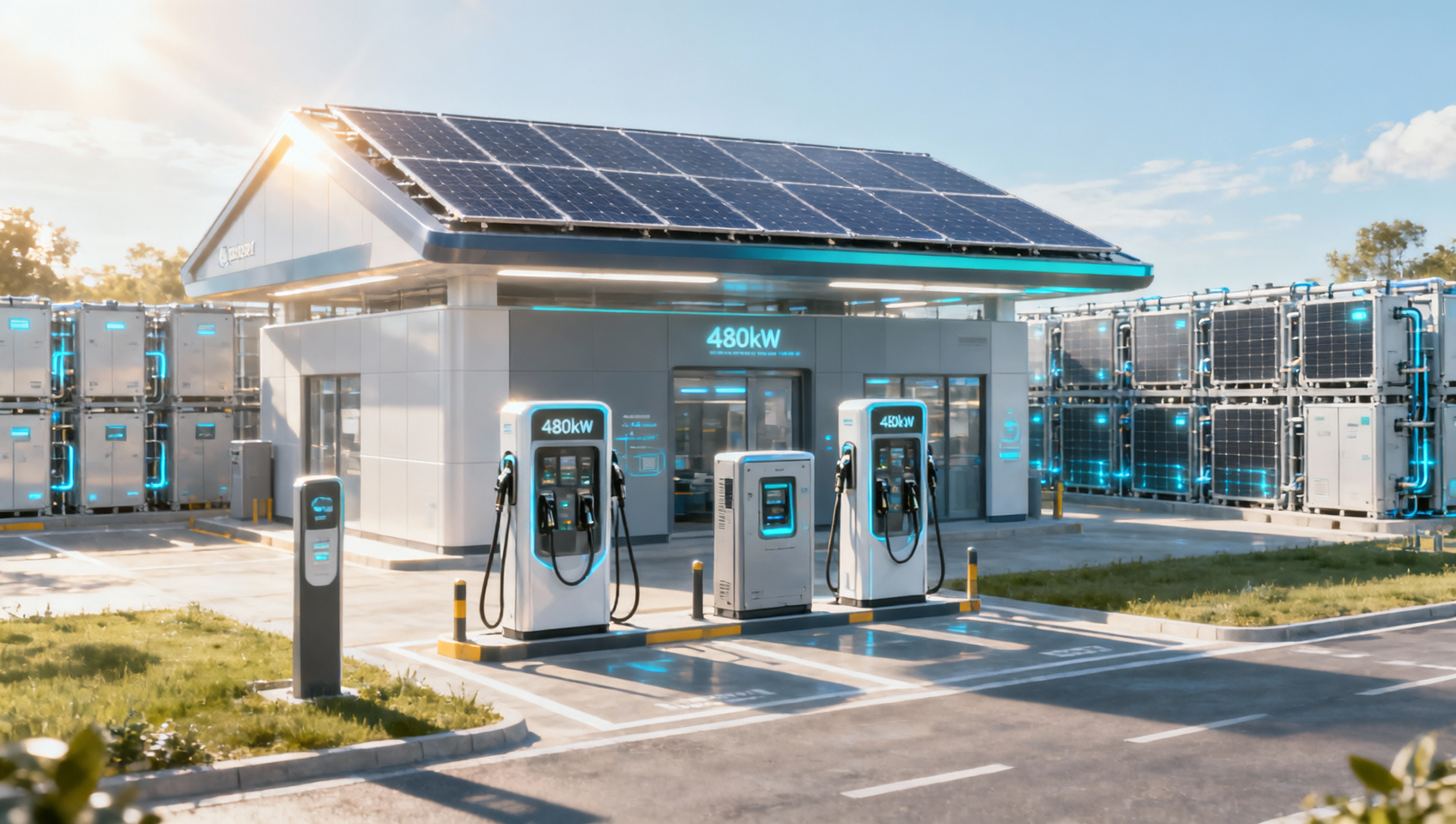
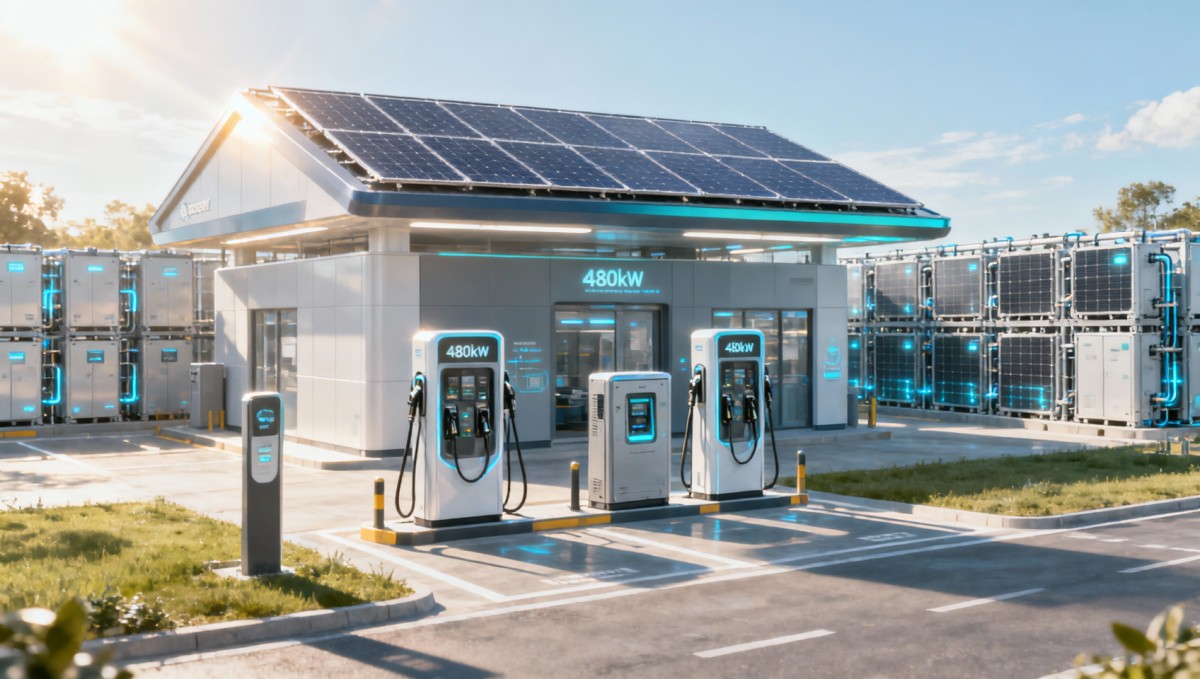
On March 23, 2026, CATL (Contemporary Amperex Technology Co. Limited) and Sinopec announced a strategic partnership to expand their "PV-storage-charging-swapping" integrated energy service network, with plans to add 500 new comprehensive energy stations by 2026. This collaboration targets high-demand scenarios such as highways and county-level regions, integrating photovoltaic roofs, liquid-cooled energy storage, 480kW ultra-fast charging, battery health diagnostics, and standardized battery swapping modules. Industries directly impacted include electric vehicle (EV) infrastructure, commercial fleet electrification, and renewable energy integration. This development is significant as it accelerates the adoption of heavy-duty and construction machinery electrification while addressing critical charging and energy management challenges.
Event Overview
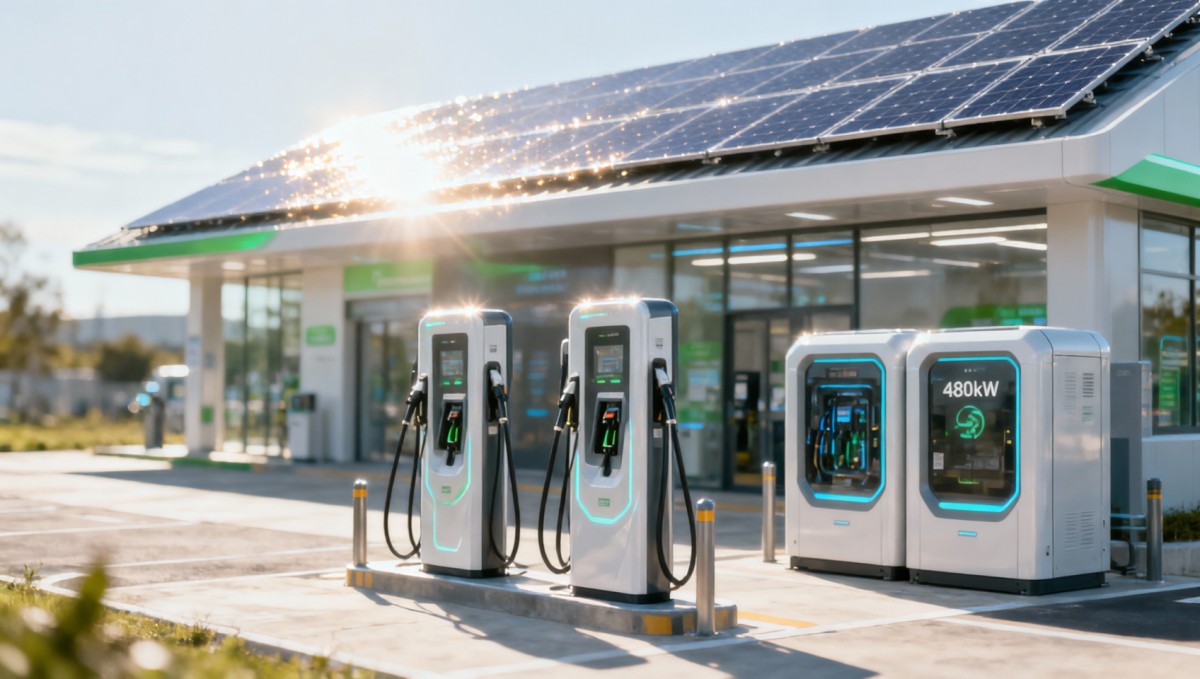
The agreement marks the second phase of collaboration between CATL and Sinopec, following the successful operation of 200 initial stations. The new phase prioritizes heavy-duty trucks and construction machinery, leveraging Sinopec's existing fuel station network and CATL's battery and energy management expertise. Key components include solar power generation, high-capacity storage, ultra-fast charging, and modular battery swapping—a combination designed to reduce downtime for commercial EVs.
Impact on Key Industries
1. Commercial EV and Heavy-Duty Machinery
The integration of standardized battery swapping and ultra-fast charging directly supports the electrification of logistics fleets and construction equipment. Fleet operators may face reduced operational costs but will need to adapt to new energy management protocols.
2. Renewable Energy and Grid Services
The deployment of PV roofs and liquid-cooled storage systems creates opportunities for distributed energy providers. However, grid stability and pricing models may require adjustments to accommodate bidirectional energy flows.
3. Battery Diagnostics and Aftermarket Services
Battery health monitoring embedded in these stations could reshape maintenance and secondary battery markets, emphasizing predictive analytics over reactive repairs.
Actionable Insights for Stakeholders
1. Monitor Standardization Progress
Battery swapping compatibility remains fragmented. Companies should track CATL’s module specifications to align procurement and fleet planning.
2. Evaluate Charging-as-a-Service Models
Operators may shift from capex-heavy charging infrastructure to subscription-based energy services. Pilot partnerships are advisable.
3. Prepare for Hybrid Energy Demand
Regions with high heavy-vehicle traffic should anticipate competing demands for charging, swapping, and storage—requiring dynamic load management.
Editor’s Perspective
From an industry standpoint, this initiative signals a maturation of China’s EV infrastructure beyond passenger vehicles. While the 500-station target is ambitious, the prioritization of heavy machinery reflects pragmatic demand. The real test will be interoperability—whether other manufacturers adopt CATL’s swapping standards. Observers should watch for provincial-level incentives to accelerate adoption.
Conclusion
This partnership underscores a strategic pivot toward electrifying high-emission transport segments. For now, it’s best viewed as a scalable prototype; success hinges on standardization and cost parity with diesel alternatives. Stakeholders should engage in pilot programs while awaiting clearer policy signals.
Sources
1. Joint announcement by CATL and Sinopec (March 23, 2026)
2. Operational data from Phase 1 stations (Sinopec Q1 2026 report)
*Ongoing: Monitoring regional subsidy policies for heavy EV adoption.
Technical Specifications
- Air Handling Unit Supplier Checklist: Performance Data, Lead Times, and SupportAuthor :Environmental Engineering Director
- Buying Fiberglass Water Tanks Wholesale: Compare Quotes and Delivery CostsAuthor :Environmental Engineering Director
- Choosing an XLPE Power Cable Supplier: Test Reports, Traceability, and Lead TimesAuthor :Grid Infrastructure Analyst
Expert Insights

Chief Security Architect
Dr. Thorne specializes in the intersection of structural engineering and digital resilience. He has advised three G7 governments on industrial infrastructure security.
Related Analysis
- Oct 19, 2026Air Handling Unit Supplier Checklist: Performance Data, Lead Times, and SupportAuthor :Environmental Engineering Director
- Oct 18, 2026Buying Fiberglass Water Tanks Wholesale: Compare Quotes and Delivery CostsAuthor :Environmental Engineering Director
- Oct 17, 2026Choosing an XLPE Power Cable Supplier: Test Reports, Traceability, and Lead TimesAuthor :Grid Infrastructure Analyst
Core Sector // 01
Security & Safety
- Does Power Transmission Maintenance Differ in Desert and Arctic Sites?Author :Heavy Industry Strategist

- Can Industrial Engineering Solutions Reduce Petrochemical Downtime?Author :Heavy Industry Strategist

- What Drives Industrial Roller Chains Price: Material, Pitch, Load, and Supplier FactorsAuthor :Heavy Industry Strategist

- How to Choose a Three Phase Soft Starter for Pumps, Fans, and ConveyorsAuthor :Heavy Industry Strategist

- How to Evaluate a Conveyor Roller Belts Manufacturer for Load, Speed, and Service LifeAuthor :Heavy Industry Strategist

- Power Transmission Systems Pricing: 7 Cost Drivers Buyers Should CompareAuthor :Heavy Industry Strategist

- India Expands BIS ISI Rule for Imported Belts and ChainsAuthor :Heavy Industry Strategist

- Zero Backlash Jaw Coupling Selection Guide: Torque, Misalignment, and Servo PerformanceAuthor :Heavy Industry Strategist