Market Regulator Releases Three National Standards for Smart Steel Manufacturing
Author
Date Published
Reading Time
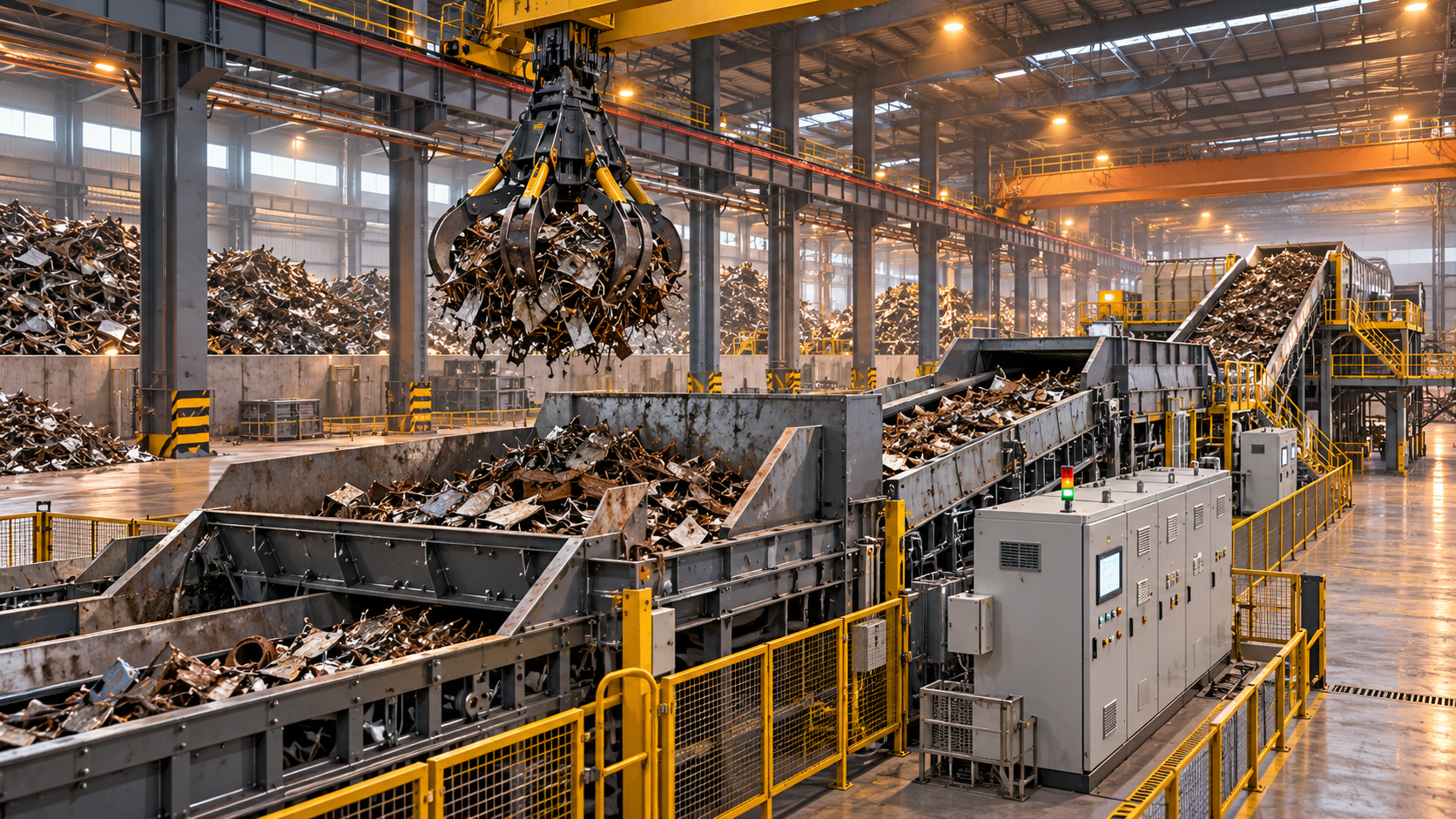
In a report dated November 1, the market regulator announced the release of three national standards covering smart manufacturing in the steel industry; the event date itself was not specified. The standards address scrap steel factories, digital twins and coordination across production sites, making them relevant to factory operators, technology suppliers and procurement teams assessing how future projects may be specified and delivered.
Three Standards Target Key Manufacturing Systems
The market regulator released three national standards: Design Requirements for Smart Scrap Steel Factories; Technical Requirements for Digital Twin Systems in Smart Steel Factories; and Technical Requirements for Systems Coordinating and Managing Manufacturing Resources Across Multiple Steel Production Sites.
The standards focus on scrap steel factories, digital twin systems and multi-site coordination. They aim to address problems including inconsistent design approaches in the steel industry and to support the development of smart manufacturing systems.
Where Project Specifications Could Change
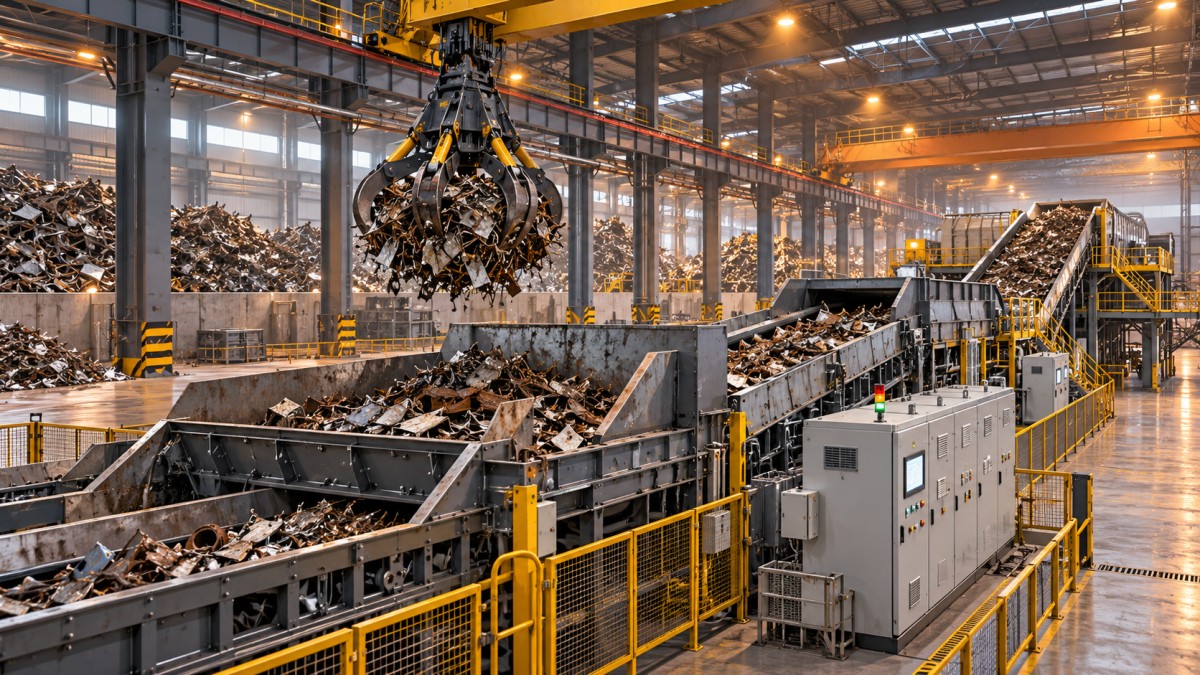
Scrap Steel Factory Design and Procurement
From an industry perspective, operators planning scrap steel facilities and the contractors or equipment suppliers serving them may need to compare project specifications with the new design standard. Its practical effect could appear in design reviews, procurement specifications and acceptance documents, although the supplied information does not establish particular requirements or implementation dates.
Digital Twin Systems and Integration
Steel manufacturers and system integrators may need to examine how the digital twin standard relates to system design and technical documentation. Analysis suggests that procurement and delivery discussions could place greater emphasis on aligning proposed system capabilities with the applicable standard. The specific technical provisions remain to be verified.
Coordination Across Production Sites
For businesses managing resources across multiple steel production sites, the coordination standard may become relevant when assessing system specifications and supplier proposals. Integrators may also need to clarify how their proposed systems address those specifications. Any effect on existing systems or contracts cannot be determined from the supplied information.
What to Check Before Committing to a Project
Verify the Standards and Their Status
Companies may wish to obtain the official texts and verify their scope, applicable provisions and implementation dates before treating them as project requirements. The supplied summary does not state whether the standards are mandatory or provide an effective date.
Review Technical and Procurement Documents
For planned scrap steel factory, digital twin or multi-site coordination projects, procurement teams could review design briefs, tender documents and supplier proposals against the verified texts. Any changes to documentation or acceptance criteria should be assessed in light of the applicable standard and contract.
Discuss Delivery Implications With Suppliers
Operators and suppliers may find it useful to assess whether verified requirements affect system integration, testing, documentation or delivery schedules. Such effects are possible project considerations, not confirmed outcomes of the announcement.
Publication Is a Signal, Not a Complete Execution Picture
At this stage, the release is best understood as a standards development that signals a more defined approach to three areas of steel smart manufacturing. This is an analytical assessment: the supplied information does not establish how the standards will be applied in procurement, whether certification is involved, or how existing projects will be treated. Official implementation details, tender wording and industry feedback will matter when assessing their practical effect.
Keep Requirements Under Review
The three standards identify factory design, digital twins and multi-site resource coordination as areas for a more consistent smart manufacturing approach. Companies can treat the announcement as a reason to verify the standards and review relevant projects, while avoiding assumptions about mandatory obligations or immediate changes to delivery.
Basis for This Report
This article is based on the user-provided news title, event-time information and event summary. No specific official source link was provided in the input, so the standards and their implementation details require continued verification against official releases and standard documents. Subsequent tender changes, company implementation and industry feedback also warrant observation.
Expert Insights

Chief Security Architect
Dr. Thorne specializes in the intersection of structural engineering and digital resilience. He has advised three G7 governments on industrial infrastructure security.
Related Analysis
- Nov 02, 2026Market Regulator Releases Three National Standards for Smart Steel ManufacturingAuthor :
- Nov 02, 2026Selecting Overhead Line Hardware Fittings for Load and Corrosion ConditionsAuthor :Heavy Industry Strategist
- Nov 01, 2026Manufacturing Overtakes Construction in China's Steel ConsumptionAuthor :
Core Sector // 01
Security & Safety
- Market Regulator Releases Three National Standards for Smart Steel ManufacturingAuthor :

- Manufacturing Overtakes Construction in China's Steel ConsumptionAuthor :

- China and Eurasian Economic Union Hold Sixth Trade Agreement Committee MeetingAuthor :

- Mysteel: Steel Price Composite Index Rises 2.26 Points on October 28Author :

- Nucor Raises Hot-Rolled Coil Spot Price by $15 to $1,270 per Short TonAuthor :

- World Steel Association Releases Climate Change and Steel Production Policy PaperAuthor :

- Turkish Flat Steel Prices Fall Under Import PressureAuthor :

- China’s Steel Industry Posts 1.7% Growth in Industrial Value Added in First Three QuartersAuthor :