Copper Price Surges 3.8% on Apr 27, 2026; BOM Costs for Industrial Breakers, Transformers, Cables Rise 7.1%
Author
Date Published
Reading Time

Global copper prices jumped 3.8% in a single day on April 27, 2026, driving immediate cost pressure across key power infrastructure components—including industrial circuit breakers, dry-type transformers, and medium-voltage cables. This development warrants close attention from manufacturers, exporters, and procurement teams in the electrical equipment supply chain.
Event Overview
On April 27, 2026, LME copper futures closed at $9,842 per tonne—a daily gain of 3.8% and the highest level since October 2025. The surge was driven by two confirmed factors: ongoing labor strikes at major copper mines in Chile and accelerating electricity demand from AI data centers. As a direct consequence, average export quotations from China for industrial circuit breakers, dry-type transformers, and medium-voltage cables rose 7.1% month-on-month, with lead times extended to 12–14 weeks.
Impact on Specific Industry Segments
Direct Exporters
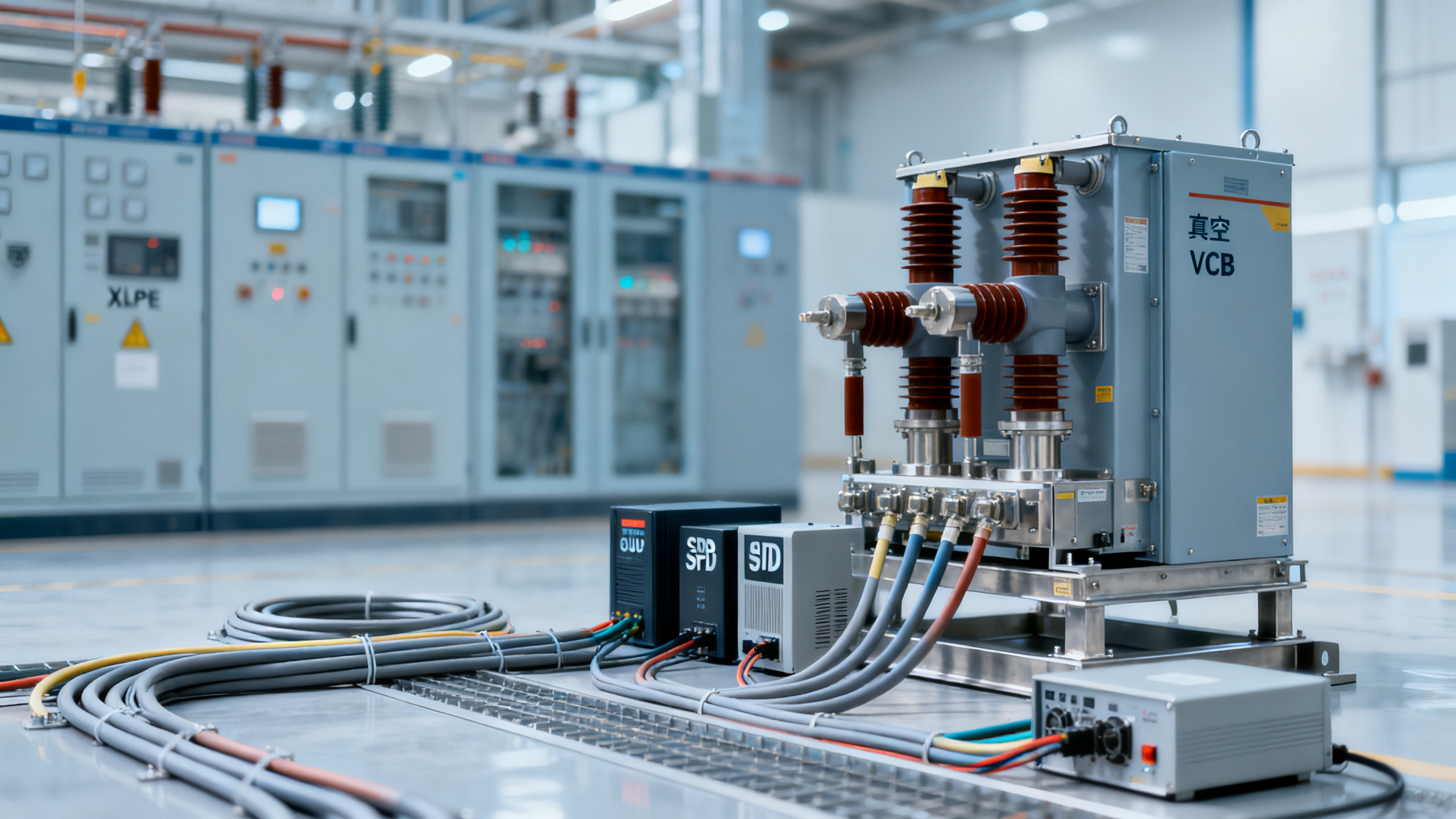
Exporters of industrial circuit breakers, dry-type transformers, and medium-voltage cables face compressed margins due to the 7.1% BOM cost increase. Since Chinese export quotations are now under upward pressure, pricing competitiveness in international markets—especially in price-sensitive regions—is declining. Lead time extensions (to 12–14 weeks) also risk order cancellations or substitution where alternatives exist.
Raw Material Procurement Teams
Copper is a primary input for windings, busbars, and conductors in these products. A 3.8% one-day jump signals heightened volatility in base metal sourcing. Procurement teams must reassess hedging strategies, supplier diversification, and contract terms—particularly fixed-price agreements covering more than three months.
Electrical Equipment Manufacturers
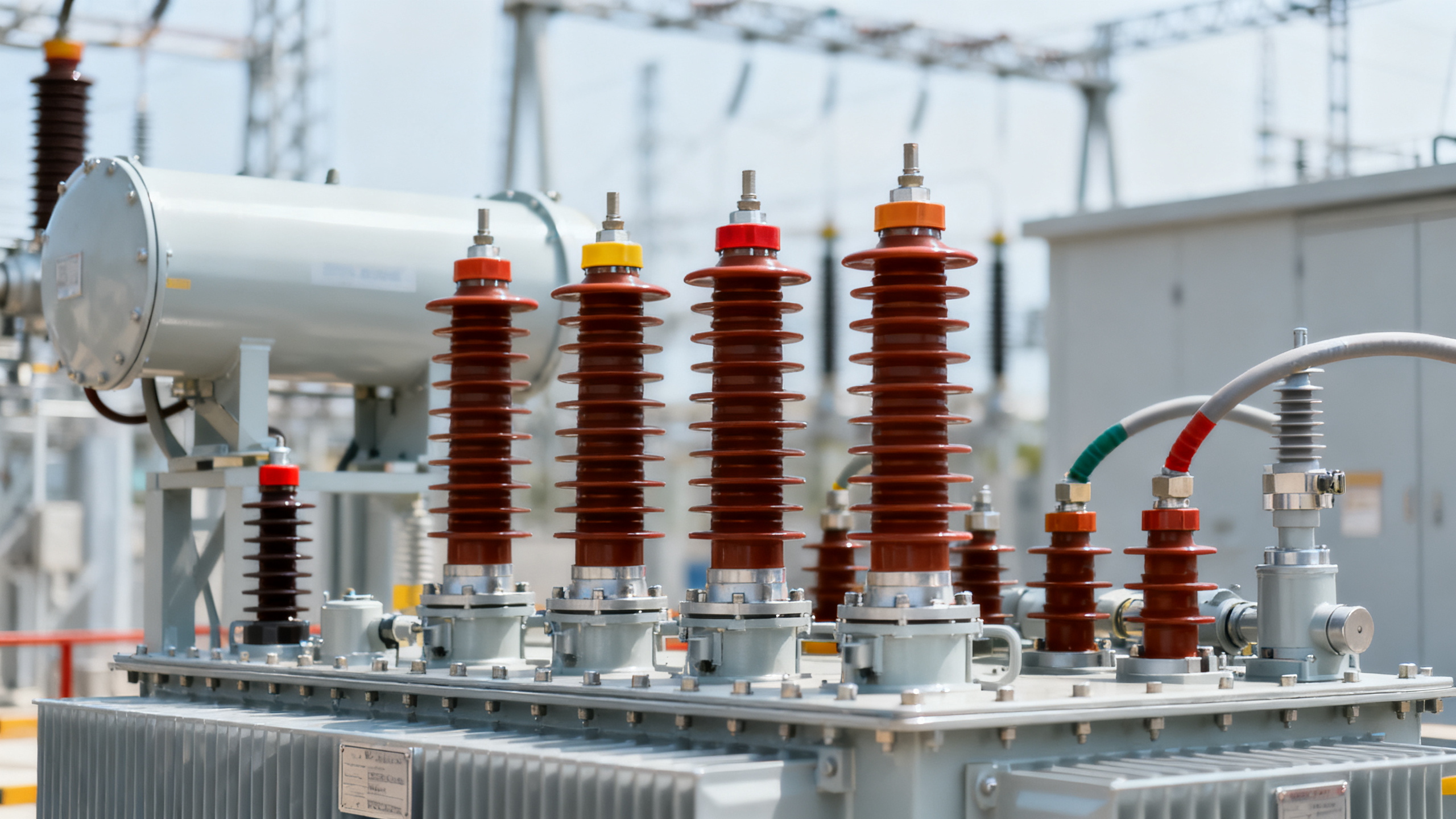
Manufacturers relying on standard BOMs for breakers, transformers, and cables face immediate cost recalibration. The 7.1% BOM cost rise affects both internal cost accounting and customer-facing pricing models. Production planning may also be disrupted as extended lead times impact just-in-time assembly lines and project delivery schedules.
Supply Chain & Distribution Firms
Distributors and channel partners handling these components are seeing reduced inventory turnover and increased working capital requirements. With longer lead times, forward-buying behavior may intensify—but carries higher carrying costs and obsolescence risk if end-market demand softens unexpectedly.
What Relevant Enterprises or Practitioners Should Focus On Now
Monitor official updates on Chilean mining operations and LME copper inventory trends
Strikes in Chile account for ~25% of global copper output. Any resolution—or escalation—will directly influence near-term price direction. LME warehouse stocks remain a real-time indicator of physical availability and speculative positioning.
Review pricing and delivery terms for active orders, especially those with fixed-price clauses
Contracts signed before April 27, 2026, may not reflect current copper cost levels. Assess exposure to margin erosion and evaluate whether price adjustment clauses or material escalation riders can be negotiated for pending or upcoming projects.
Reassess safety stock levels and supplier lead time buffers for copper-intensive subassemblies
A 12–14 week lead time suggests systemic delays—not isolated incidents. Adjust minimum order quantities, reorder points, and dual-sourcing plans specifically for copper-based components (e.g., transformer windings, cable conductors, breaker contacts).
Track regional demand signals from AI infrastructure deployments
AI data center buildouts are cited as a structural driver—not cyclical noise. Monitor tender announcements, utility interconnection filings, and regional power capacity additions in North America, EU, and Southeast Asia to gauge sustained demand pressure on copper-intensive electrical gear.
Editorial Perspective / Industry Observation
Observably, this copper spike is less a short-term anomaly and more an early signal of tightening supply-demand balance in critical electrification materials. Analysis shows that while the April 27 move was triggered by discrete events (Chilean strikes + AI load), it occurred atop already elevated LME inventories and declining mine-grade yields globally. From an industry perspective, this event is better understood as a stress test for copper-dependent manufacturing resilience—not merely a cost pass-through issue. Current volatility underscores how rapidly macro-material dynamics can cascade into engineered product economics, especially where copper accounts for >30% of raw material cost in certain transformer and cable SKUs.
Conclusion
This copper price movement reflects a convergence of geopolitical supply risk and structural demand growth—not transient speculation. Its significance lies not in the magnitude of a single-day move, but in how quickly it propagates into BOM cost inflation and lead time expansion across essential power hardware. It is more appropriately understood as an operational inflection point for procurement, pricing, and supply continuity planning—rather than a standalone commodity news item.
Information Sources
Main source: LME official settlement data and publicly reported export quotation indices (China-based electrical equipment exporters, April 2026). Ongoing developments related to Chilean mining labor negotiations and AI data center power procurement pipelines remain under observation and are not yet fully quantified.
Technical Specifications
- 6th National Auto Standards Committee Launched, Impacts Optical & Test Equipment ExportAuthor :Precision Metrology Expert
- Vietnam Requires VILAS-Certified Reports for Industrial Bearing ImportsAuthor :Heavy Industry Strategist
- SCFI Surges 12.3% to 4,218; Shanghai–Rotterdam Rate Hits $4,480/TEUAuthor :
Expert Insights

Chief Security Architect
Dr. Thorne specializes in the intersection of structural engineering and digital resilience. He has advised three G7 governments on industrial infrastructure security.
Related Analysis
- Apr 28, 20266th National Auto Standards Committee Launched, Impacts Optical & Test Equipment ExportAuthor :Precision Metrology Expert
- Apr 28, 2026Vietnam Requires VILAS-Certified Reports for Industrial Bearing ImportsAuthor :Heavy Industry Strategist
- Apr 28, 2026SCFI Surges 12.3% to 4,218; Shanghai–Rotterdam Rate Hits $4,480/TEUAuthor :
Core Sector // 01
Security & Safety
- INMETRO Mandates New IEC 60947-2 Annex Q Short-Circuit Test for Industrial Circuit Breakers in BrazilAuthor :Grid Infrastructure Analyst
![]()
- Copper Price Surges 3.8% on Apr 27, 2026; BOM Costs for Industrial Breakers, Transformers, Cables Rise 7.1%Author :Grid Infrastructure Analyst
![]()
- When to Use Vacuum Circuit Breakers VCBAuthor :Grid Infrastructure Analyst

- Wholesale Lightning Arresters: What Matters MostAuthor :Grid Infrastructure Analyst

- How to Size a Surge Protective Device SPDAuthor :Grid Infrastructure Analyst

- INMETRO Mandates New IEC 60947-2 Annex Q Short-Circuit Test for Industrial Circuit BreakersAuthor :Grid Infrastructure Analyst
![]()
- Copper Price Surge Impacts Electrical Equipment BOM CostsAuthor :Grid Infrastructure Analyst
![]()
- INMETRO New Rule: Industrial Circuit Breakers Must Pass IEC 60947-2 Annex Q Test from Sep 2026Author :Grid Infrastructure Analyst
![]()