
The 16th China International Clean Energy Expo Concludes with $12.7 Billion in Intentional Deals: Key Takeaways for Industry Players
Author
Date Published
Reading Time
Introduction
The 16th China International Clean Energy Expo (CEEC) concluded in Beijing on March 27, 2026, marking another milestone in the global clean energy sector. With intentional deals worth 12.7 billion RMB signed with buyers from 42 countries, the event highlighted shifting regional demand patterns and emerging procurement trends. Energy storage manufacturers, solar equipment suppliers, and water treatment solution providers should take note of the differentiated purchasing behaviors across Europe, Southeast Asia, and the Middle East, as revealed by the exhibition data and the newly released 2026 Global Clean Energy Procurement Trends White Paper.
Event Overview
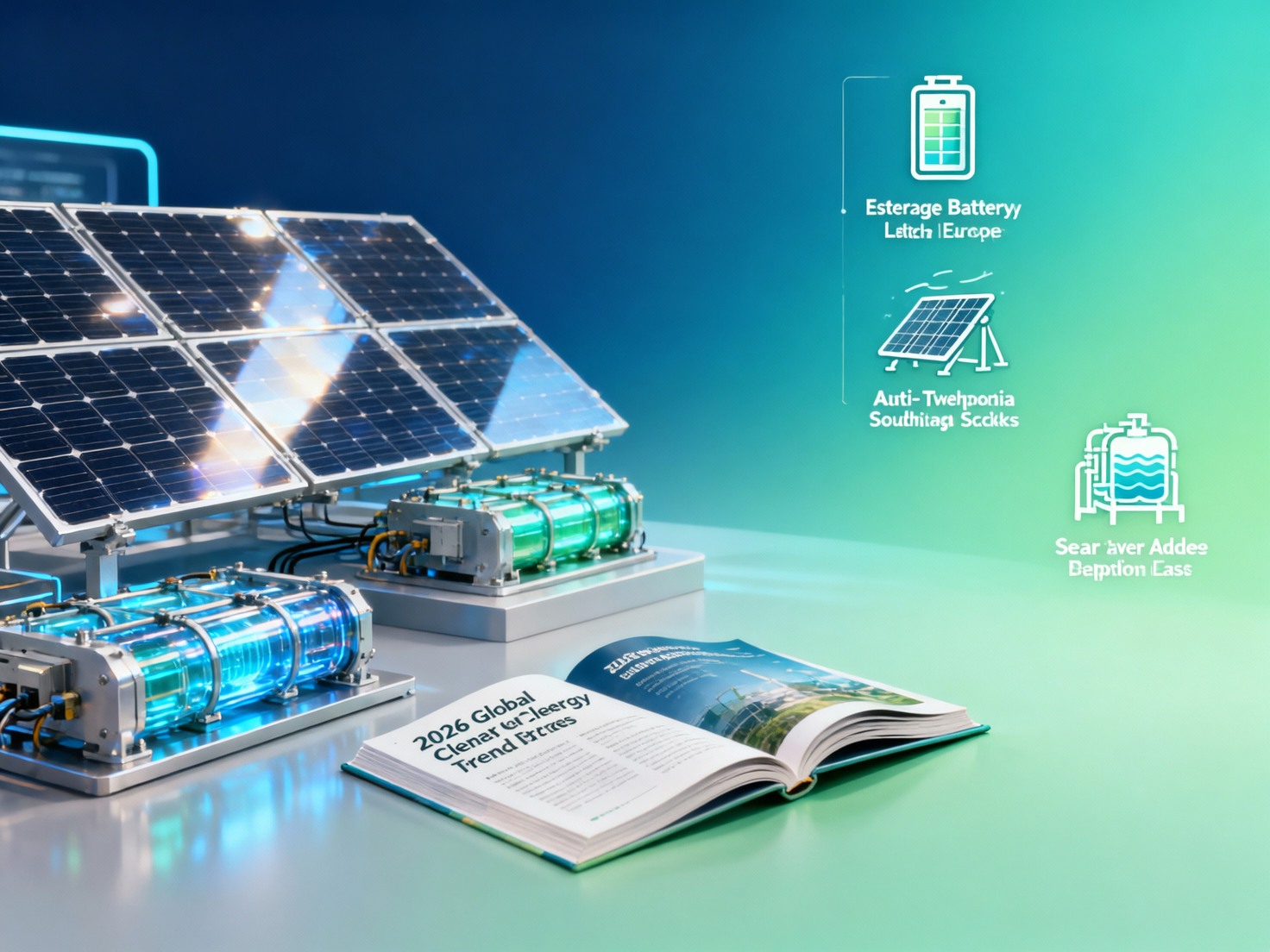
Held from March 25-27, 2026, the CEEC attracted international buyers primarily focused on three technology categories: European procurement teams prioritized 2-hour+ liquid-cooled energy storage systems (41% of total intentional deals), Southeast Asian buyers concentrated on typhoon-resistant solar tracking systems (33%), while Middle Eastern delegates showed strongest interest in integrated reverse osmosis + energy recovery desalination units (26%). The accompanying white paper identified "customization, localized adaptation, and verifiable low-carbon data" as the new procurement trifecta.
Impact on Sub-Sectors
Energy Storage Manufacturers
The clear European preference for longer-duration liquid-cooled systems suggests manufacturers need to reevaluate product roadmaps. Analysis shows the 2-hour+ segment is transitioning from niche to mainstream in EU markets, potentially affecting R&D allocation and production line configurations.
Solar Component Suppliers
Southeast Asia's demand for typhoon-resistant tracking systems indicates geographical specialization becoming a competitive differentiator. From an industry perspective, suppliers without wind load certification capabilities may face growing market access barriers in Vietnam, Indonesia, and similar climates.
Water Technology Providers
The Middle East's focus on integrated desalination solutions with energy recovery reflects a shift toward system-level efficiency. Current procurement patterns suggest bundled solutions may command higher margins than standalone components in this region.
Actionable Insights for Industry Players
Regional Product Adaptation Strategies
Companies should align technical specifications with documented regional preferences—developing IEC 61400-2 certified solar structures for Southeast Asia or EN 45545-compliant energy storage for Europe.
Supply Chain Localization
The white paper's emphasis on "localized adaptation" implies manufacturers may need to establish regional assembly hubs or partner networks to remain competitive in target markets.
Carbon Verification Preparedness
With verifiable low-carbon data becoming a procurement criterion, producers should implement ISO 14067-compliant carbon accounting systems, particularly for EU-bound exports likely to face CBAM regulations.
Editor's Observations
The CEEC outcomes suggest clean energy trade is evolving beyond price-based competition into a phase where technical specialization, climate adaptability, and sustainability credentials determine market access. While the intentional deals signal commercial interest, the actual conversion rate—historically ranging between 40-60% for such exhibitions—remains to be tracked through customs data in subsequent quarters. The white paper's "procurement trifecta" framework appears less about immediate orders and more about establishing long-term qualification criteria for global supply chains.
Conclusion
This year's CEEC serves as both a market snapshot and a directional indicator—the regional demand variations underscore the need for segmented product strategies, while the procurement trends white paper outlines evolving buyer expectations. Industry players would be prudent to treat these findings as validation signals for existing market hypotheses rather than revolutionary shifts, with particular attention to the implementation timelines of referenced standards in each target region.
Source Information
• Primary data: Official CEEC 2026 post-event report published by organizing committee
• Supplementary analysis: 2026 Global Clean Energy Procurement Trends White Paper (exhibition edition)
• Note: Actual transaction volumes to be verified through subsequent trade statistics
Technical Specifications
- Canton Fair Phase II 2026: Industrial Components Booking Rate Hits 98%Author :Heavy Industry Strategist
- TÜV Rheinland Updates EMC Guide for Industrial Optics EquipmentAuthor :Precision Metrology Expert
- Copper Price Surges 6.8%: Impact on Cables, Breakers & BOM CostsAuthor :Grid Infrastructure Analyst
Expert Insights

Chief Security Architect
Dr. Thorne specializes in the intersection of structural engineering and digital resilience. He has advised three G7 governments on industrial infrastructure security.
Related Analysis
- Apr 21, 2026Canton Fair Phase II 2026: Industrial Components Booking Rate Hits 98%Author :Heavy Industry Strategist
- Apr 21, 2026TÜV Rheinland Updates EMC Guide for Industrial Optics EquipmentAuthor :Precision Metrology Expert
- Apr 21, 2026Copper Price Surges 6.8%: Impact on Cables, Breakers & BOM CostsAuthor :Grid Infrastructure Analyst
Core Sector // 01
Security & Safety
- Canton Fair Phase II 2026: Industrial Components Booking Rate Hits 98%Author :Heavy Industry Strategist
![]()
- TÜV Rheinland Updates EMC Guide for Industrial Optics EquipmentAuthor :Precision Metrology Expert
![]()
- Copper Price Surges 6.8%: Impact on Cables, Breakers & BOM CostsAuthor :Grid Infrastructure Analyst
![]()
- SABIC Launches Industrial Security Localization Plan in Q2 2026Author :Safety Compliance Lead
![]()
- Shanghai Yangshan Port Launches Green Clearance for Industrial EquipmentAuthor :Grid Infrastructure Analyst
![]()
- IEC 62061:2026 Released — Higher Certification Bar for Industrial Safety Control SystemsAuthor :Safety Compliance Lead
![]()
- USITC Launches Anti-Dumping Review on Chinese Industrial BearingsAuthor :Heavy Industry Strategist
![]()
- China's Industrial Sensor Exports Rise 17.3% YoY in Q1 2026Author :Precision Metrology Expert
![]()